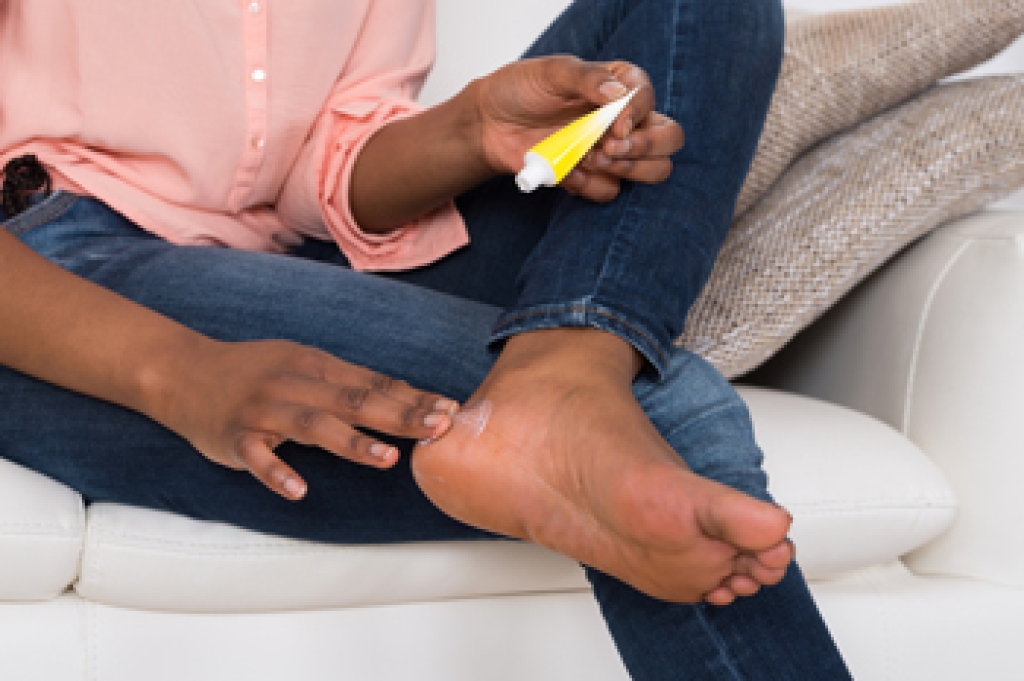
Cracked heels develop when the skin around the heel becomes dry, thick, and less flexible. Pressure from standing and walking can cause heel pain. The heel may look rough or have a hard rim of skin. Deeper cracks, called fissures, can cause pain, bleeding, and tenderness when weight is placed on the foot. Dry weather, aging, and prolonged standing can increase the risk. Shoes with open backs can also allow the heel to spread under pressure. Certain health concerns, including diabetes, eczema, and poor circulation, can make the skin more likely to crack.
A cracked heel should receive attention when it is painful, bleeding, or slow to heal. Redness, warmth, and drainage can point to an infection. Patients with diabetes should take heel cracks seriously because nerve damage can reduce feeling in the feet. Reduced circulation can also interfere with healing. A podiatrist can examine the depth of each crack and check the foot for infection. The evaluation can also identify pressure patterns that contribute to the problem. When another condition appears to be affecting the skin, the podiatrist can explain how it relates to the heel damage and coordinate further care.
Treatment from a podiatrist focuses on closing the cracks, reducing pressure, and restoring healthier skin. The podiatrist can remove thick, hardened skin. This reduces tension around the heel without harming healthy tissue. Protective dressings can cover open areas and support healing. Custom orthotics or heel cups can distribute weight more evenly and limit pressure on damaged skin. A podiatrist can also recommend shoes that fit correctly, support the heel, and reduce spreading with each step. Regular foot evaluations can help patients with diabetes or circulation problems avoid deeper wounds and infections. Follow-up visits allow the podiatrist to check healing and adjust the treatment plan. If you have painful cracked heels, it is suggested that you schedule an appointment with a podiatrist for effective treatment remedies, which may include prescribed medication.
If the skin on your feet starts to crack, you may want to see a podiatrist to find treatment. If you have any concerns, contact Peter Siroka, DPM from Connecticut. Our doctor can provide the care you need to keep you pain-free and on your feet.
Cracked Heels
It is important to moisturize your cracked heels in order to prevent pain, bleeding, and infection. The reason cracked heels form is because the skin on the foot is too dry to support the immense pressure placed on them. When the foot expands, the dry skin on the foot begins to split.
Ways to Help Heal Them
- Invest in a good foot cream
- Try Using Petroleum Jelly
- Ease up on Soaps
- Drink Plenty of Water
Ways to Prevent Cracked Heels
- Moisturize After Showering
- Skip a Shower
- Keep Shower Water Lukewarm
- Don’t Scrub Your Feet
If you are unsure how to proceed in treating cracked heels, seek guidance from a podiatrist. Your doctor will help you with any questions or information you may need.
If you have any questions, please feel free to contact our office located in Stamford, CT . We offer the newest diagnostic and treatment technologies for all your foot care needs.
