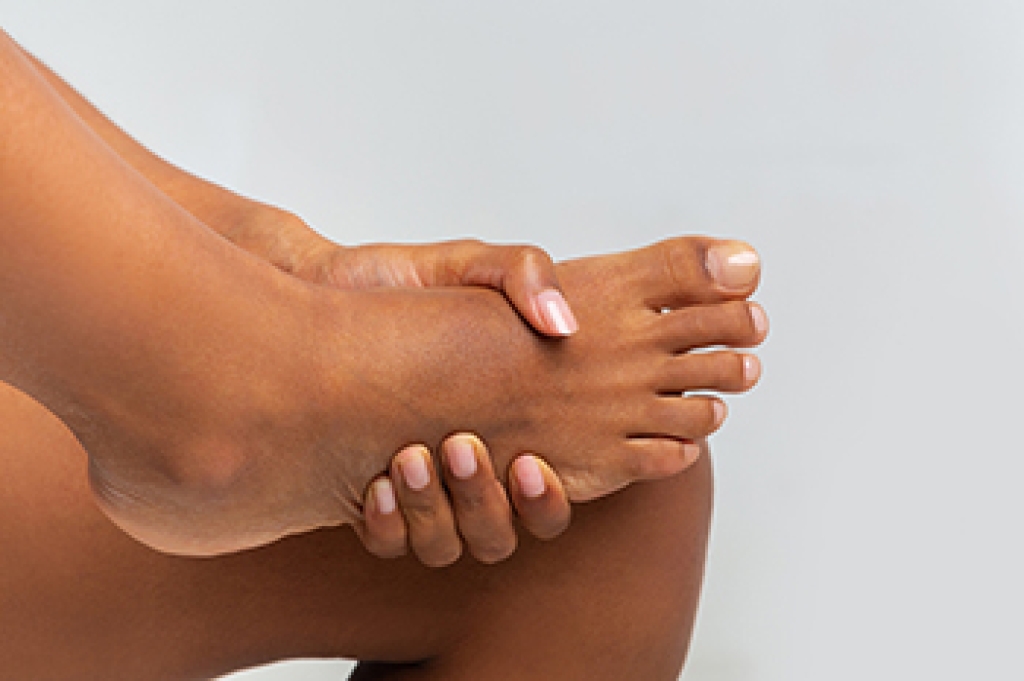
Foot Pain While Walking and What It May Indicate

Foot pain while walking is a common concern that can affect mobility, balance, and daily comfort. This type of pain may develop gradually or appear suddenly, depending on the underlying cause. The foot is a complex structure made up of bones, ligaments, tendons, and nerves, all of which must work together to support movement. When one part becomes irritated or injured, it can lead to discomfort with each step. Understanding the causes of walking related foot pain can help identify when evaluation and treatment may be necessary.

Several conditions are known to contribute to foot pain during walking. Plantar fasciitis is one of the most common causes. It involves inflammation of the thick band of tissue along the bottom of the foot. It often leads to sharp heel pain, especially with the first steps in the morning. Morton neuroma affects the nerves between the toes, causing burning pain, tingling, or the sensation of stepping on a small object. Turf toe is a sprain of the joint at the base of the big toe. It is typically caused by repetitive push off movements or sudden force and results in pain and limited motion.


Risk factors for these conditions vary but often include overuse, wearing improper footwear, high-impact activities, and biomechanical imbalances. Individuals who spend long periods of time standing or walking on hard surfaces may be more prone to plantar fasciitis. Tight shoes or high heels can increase pressure on the forefoot, raising the risk of Morton neuroma. Turf toe is commonly seen in athletes who engage in sports that involve running or quick directional changes. Recognizing these risk factors can help guide prevention and early management strategies.


It is important to understand that foot pain while walking should not be ignored, as it may signal an underlying condition that requires attention. Early intervention can increase comfort and prevent further complications. If you have foot pain while walking, it is suggested you consult a podiatrist for an accurate diagnosis and appropriate treatment.

Foot Pain

Foot pain can be extremely painful and debilitating. If you have a foot pain, consult with Peter Siroka, DPM from Connecticut. Our doctor will assess your condition and provide you with quality foot and ankle treatment.

Causes

Foot pain is a very broad condition that could be caused by one or more ailments. The most common include:

  • Bunions
  • Hammertoes
  • Plantar Fasciitis
  • Bone Spurs
  • Corns
  • Tarsal Tunnel Syndrome
  • Ingrown Toenails
  • Arthritis (such as Gout, Rheumatoid, and Osteoarthritis)
  • Flat Feet
  • Injury (from stress fractures, broken toe, foot, ankle, Achilles tendon ruptures, and sprains)
  • And more

Diagnosis

To figure out the cause of foot pain, podiatrists utilize several different methods. This can range from simple visual inspections and sensation tests to X-rays and MRI scans. Prior medical history, family medical history, and any recent physical traumatic events will all be taken into consideration for a proper diagnosis.

Treatment

Treatment depends upon the cause of the foot pain. Whether it is resting, staying off the foot, or having surgery; podiatrists have a number of treatment options available for foot pain.

If you have any questions, please feel free to contact our office located in Stamford, CT . We offer the newest diagnostic and treatment technologies for all your foot care needs.

Read more about Foot Pain

Heel Pain And Bruised Heel Explained

Heel pain is a common issue that can affect daily movement and comfort. One cause is a bruised heel, also known as a heel contusion. This happens when the fat pad under the heel becomes damaged. This often appears as deep soreness or tenderness directly under the heel. It may feel worse when standing or walking. It can develop from repetitive pounding on the foot from running on hard surfaces. Wearing loose shoes that allow excess movement or landing hard after jumping from a high spot are other possible causes. Eventually, the protective cushion weakens, leading to pain and reduced shock absorption. A podiatrist can evaluate the extent of injury, use imaging if needed, and recommend supportive treatments to protect the heel and restore function. If you think you may have bruised your heel, it is suggested that you consult a podiatrist who can offer effective relief and treatment solutions. 

Many people suffer from bouts of heel pain. For more information, contact Peter Siroka, DPM of Connecticut. Our doctor can provide the care you need to keep you pain-free and on your feet.

Causes of Heel Pain

Heel pain is often associated with plantar fasciitis. The plantar fascia is a band of tissues that extends along the bottom of the foot. A rip or tear in this ligament can cause inflammation of the tissue.

Achilles tendonitis is another cause of heel pain. Inflammation of the Achilles tendon will cause pain from fractures and muscle tearing. Lack of flexibility is also another symptom.

Heel spurs are another cause of pain. When the tissues of the plantar fascia undergo a great deal of stress, it can lead to ligament separation from the heel bone, causing heel spurs.

Why Might Heel Pain Occur?

  • Wearing ill-fitting shoes                
  • Wearing non-supportive shoes
  • Weight change           
  • Excessive running

Treatments

Heel pain should be treated as soon as possible for immediate results. Keeping your feet in a stress-free environment will help. If you suffer from Achilles tendonitis or plantar fasciitis, applying ice will reduce the swelling. Stretching before an exercise like running will help the muscles. Using all these tips will help make heel pain a condition of the past.

If you have any questions, please feel free to contact our office located in Stamford, CT . We offer the newest diagnostic and treatment technologies for all your foot care needs.

Read more about Heel Pain

Foot Problems in Children With Down Syndrome

Children with Down syndrome are more likely to develop foot and ankle problems that affect balance, comfort, and movement. Flat feet are very common because the muscles and ligaments in the feet are often looser than normal. This can place extra strain on the feet and ankles while walking. Some children also develop bunions, where the top of the big toe leans inward and the main joint forms a bump. Ankle instability can lead to frequent tripping or an unsteady gait. A podiatrist can examine the feet and ankles and evaluate how your child walks. Recommendations include more supportive footwear or custom orthotics to improve foot alignment. Braces can also help support weak ankles and improve stability. Regular foot exams are helpful because some problems become more noticeable as children grow. If your child with Down syndrome has foot or ankle pain, it is suggested that you make an appointment with a podiatrist for an exam and treatment.

The health of a child’s feet is vital to their overall well-being. If you have any questions regarding foot health, contact Peter Siroka, DPM of Connecticut. Our doctor can provide the care you need to keep you pain-free and on your feet.

Tips for Keeping Children's Feet Healthy

  • Make sure their shoes fit properly
  • Look for any signs of in-toeing or out-toeing
  • Check to see if they have Clubfoot (condition that affects your child’s foot and ankle, twisting the heel and toes inward) which is one of the most common nonmajor birth defects.
  • Lightly cover your baby’s feet (Tight covers may keep your baby from moving their feet freely, and could prevent normal development)
  • Allow your toddler to go shoeless (Shoes can be restricting for a young child’s foot)
  • Cut toenails straight across to avoid ingrown toenails
  • Keep your child’s foot clean and dry
  • Cover cuts and scrapes. Wash any scratches with soap and water and cover them with a bandage until they’ve healed.

If you have any questions, please feel free to contact our office located in Stamford, CT . We offer the newest diagnostic and treatment technologies for all your foot care needs.
Read more about How to Care for Your Child's Feet

Why Live with Pain and Numbness in Your Feet?

Suffering from this type of pain? You may have the foot condition known as Morton's neuroma. Morton's neuroma may develop as a result of ill-fitting footwear and existing foot deformities. We can help.

Treating a Hammertoe Deformity

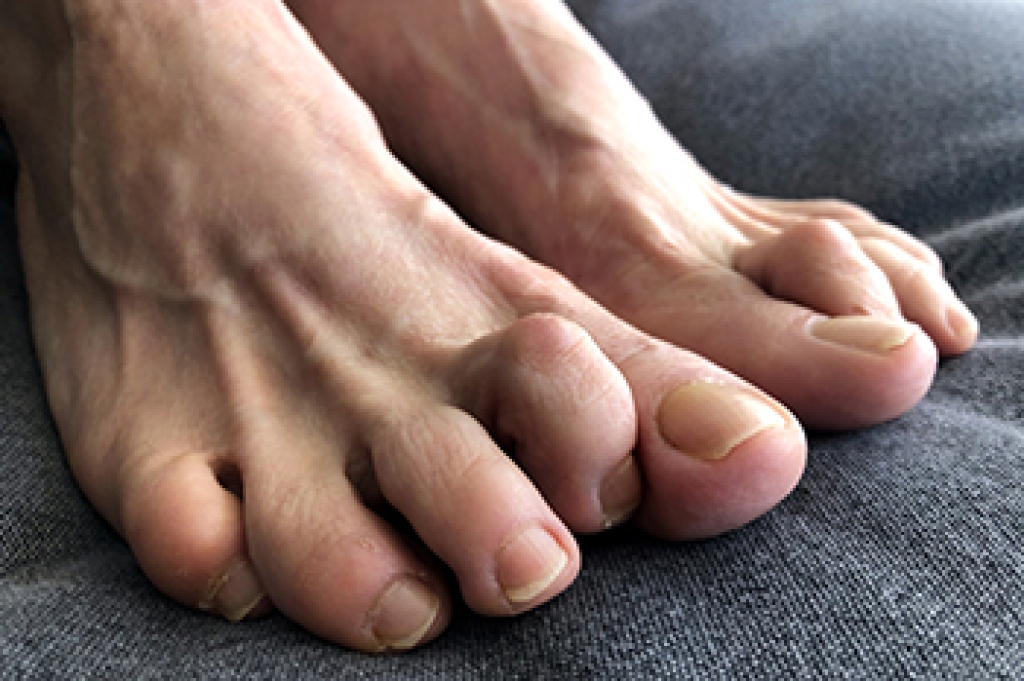
A hammertoe deformity develops when a toe bends abnormally at the middle joint, causing the toe to curl downward instead of lying flat. The second toe is most commonly affected. Hammertoes can develop from muscle and tendon imbalance, arthritis, or years of wearing tight shoes with a narrow toe box. Symptoms include toe pain, corns, calluses, and discomfort when walking or wearing shoes. Some people also develop pain in the ball of the foot because pressure shifts unevenly across the foot. A podiatrist can diagnose a hammertoe deformity through a foot exam and by checking the joints for signs of arthritis. Treatment includes wearing shoes with a wide toe box, protective toe pads, and custom orthotics to reduce pressure and improve foot alignment. Taping or splinting the toe can help support its position. In more severe cases, surgery can straighten the toe and relieve pain. If you are experiencing pain from a hammertoe deformity, it is suggested that you schedule an appointment with a podiatrist for appropriate treatment solutions.

Hammertoes can be a painful condition to live with. For more information, contact Peter Siroka, DPM of Connecticut. Our doctor will answer any of your foot- and ankle-related questions.

Hammertoe

Hammertoe is a foot deformity that occurs due to an imbalance in the muscles, tendons, or ligaments that normally hold the toe straight. It can be caused by the type of shoes you wear, your foot structure, trauma, and certain disease processes.

Symptoms

  • Painful and/or difficult toe movement
  • Swelling
  • Joint stiffness
  • Calluses/Corns
  • Physical deformity

Risk Factors

  • Age – The risk of hammertoe increases with age
  • Sex – Women are more likely to have hammertoe compared to men
  • Toe Length – You are more likely to develop hammertoe if your second toe is longer than your big toe
  • Certain Diseases – Arthritis and diabetes may make you more likely to develop hammertoe

Treatment

If you have hammertoe, you should change into a more comfortable shoe that provides enough room for your toes. Exercises such as picking up marbles may strengthen and stretch your toe muscles. Nevertheless, it is important to seek assistance from a podiatrist in order to determine the severity of your hammertoe and see which treatment option will work best for you.

If you have any questions, please feel free to contact our office located in Stamford, CT . We offer the newest diagnostic and treatment technologies for all your foot care needs.

Read more about Hammertoe

Connect With Us

Advanced Podiatric Procedures & Services in the Fairfield County, CT: Stamford, Greenwich, Darien, Norwalk, New Canaan, Wilton, Weston, Ridgefield, Westport, Fairfield, Bridgeport, New Haven County, CT: Stratford, Shelton, Westchester County, NY: Rye, Port Chester, Mamaroneck, Larchmont, New Rochelle, White Plains areas