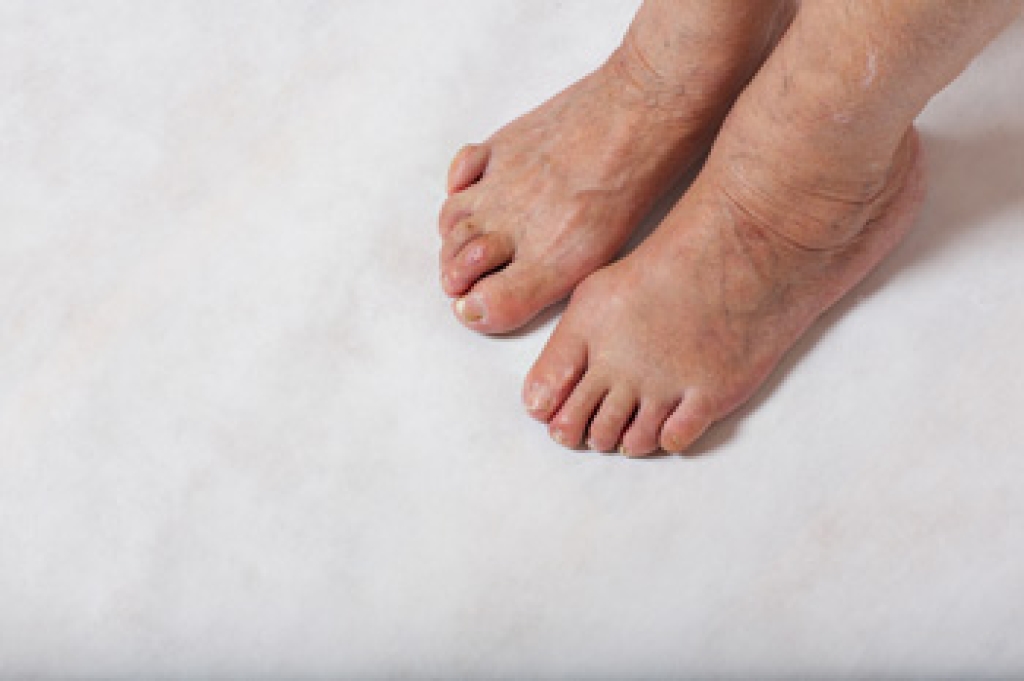
Curled Toes May Indicate Hammertoe

Hammertoe is a deformity that causes one or more toes to bend downward at the middle joint, resembling a hammer. It often affects the second, third, or fourth toe, and is usually caused by muscle imbalances, wearing tight footwear, trauma, or arthritis. Symptoms include pain, stiffness, and corns or calluses on the top of the toe. You may also experience redness, and difficulty wearing shoes. The affected toe may appear raised at the joint and may feel rigid or flexible depending on severity. Over time, the condition can worsen and lead to permanent deformity or open sores. A podiatrist can evaluate the structure of the toe through a physical exam and imaging tests to confirm the diagnosis. Treatment options vary depending on whether the hammertoe is flexible or rigid, and may include shoe modifications, padding, custom orthotics, or surgical correction, in advanced cases. It is suggested that you schedule an appointment with a podiatrist if you experience persistent toe discomfort or deformity.

Hammertoe

Hammertoes can be a painful condition to live with. For more information, contact Peter Siroka, DPM from Connecticut. Our doctor will answer any of your foot- and ankle-related questions.

Hammertoe is a foot deformity that affects the joints of the second, third, fourth, or fifth toes of your feet. It is a painful foot condition in which these toes curl and arch up, which can often lead to pain when wearing footwear.

Symptoms

  • Pain in the affected toes
  • Development of corns or calluses due to friction
  • Inflammation
  • Redness
  • Contracture of the toes

Causes

Genetics – People who are genetically predisposed to hammertoe are often more susceptible

Arthritis – Because arthritis affects the joints in your toes, further deformities stemming from arthritis can occur

Trauma – Direct trauma to the toes could potentially lead to hammertoe

Ill-fitting shoes – Undue pressure on the front of the toes from ill-fitting shoes can potentially lead to the development of hammertoe

Treatment

Orthotics – Custom made inserts can be used to help relieve pressure placed on the toes and therefore relieve some of the pain associated with it

Medications – Oral medications such as anti-inflammatories or NSAIDs could be used to treat the pain and inflammation hammertoes causes. Injections of corticosteroids are also sometimes used

Surgery – In more severe cases where the hammertoes have become more rigid, foot surgery is a potential option

If you have any questions, please feel free to contact our office located in Stamford, CT . We offer the newest diagnostic and treatment technologies for all your foot care needs.

Read more about What Are Hammertoes?

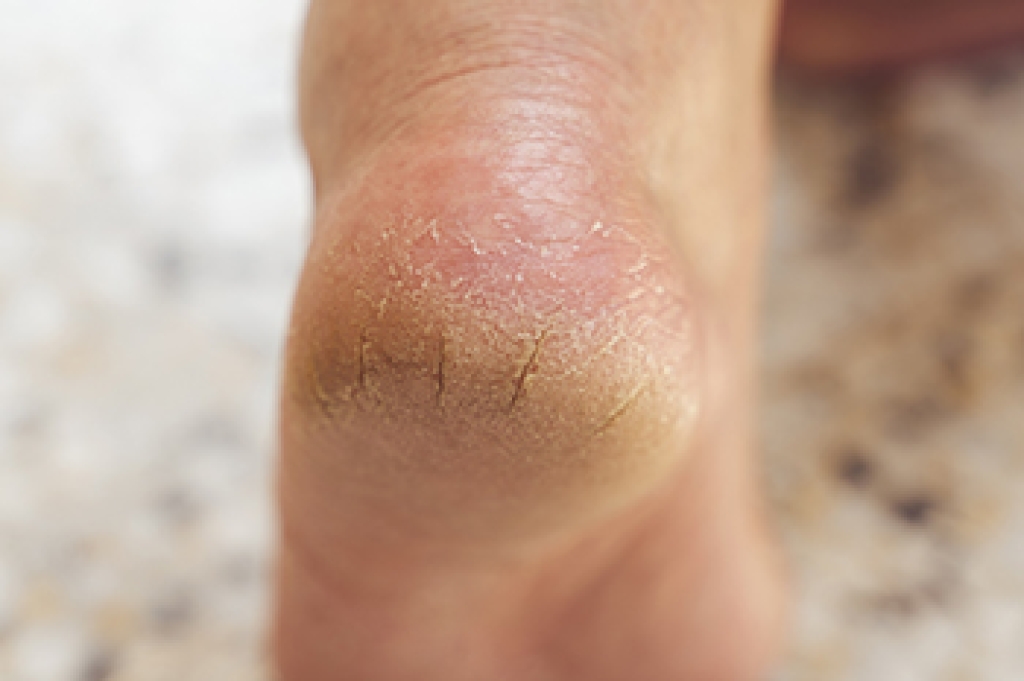
Understanding and Treating Heel Fissures

Heel fissures, or cracked heels, often occur when the skin on the feet becomes thick, dry, and less elastic. Over time, pressure from standing or walking causes the hardened layers to split, creating painful cracks that can bleed or become infected. Research into the structure of healthy and callused skin shows that excess keratin buildup reduces flexibility and traps moisture unevenly, leading to deeper fissures. Regular exfoliation and hydration help restore softness and prevent further damage. Applying urea-based or lactic acid creams softens thickened skin, while protective heel balms lock in moisture. In severe cases, debridement and professional podiatric care may be necessary to remove excess tissue and promote healing. Consistent foot care and wearing supportive shoes that reduce friction and pressure are key to keeping heels smooth, strong, and comfortable. If you are suffering with painful or chronic heel fissures, it is suggested that you see a podiatrist for expert care.

If the skin on your feet starts to crack, you may want to see a podiatrist to find treatment. If you have any concerns, contact Peter Siroka, DPM from Connecticut. Our doctor can provide the care you need to keep you pain-free and on your feet.

Cracked Heels

It is important to moisturize your cracked heels in order to prevent pain, bleeding, and infection. The reason cracked heels form is because the skin on the foot is too dry to support the immense pressure placed on them. When the foot expands, the dry skin on the foot begins to split.

Ways to Help Heal Them

  • Invest in a good foot cream
  • Try Using Petroleum Jelly
  • Ease up on Soaps
  • Drink Plenty of Water

Ways to Prevent Cracked Heels

  • Moisturize After Showering
  • Skip a Shower
  • Keep Shower Water Lukewarm
  • Don’t Scrub Your Feet

If you are unsure how to proceed in treating cracked heels, seek guidance from a podiatrist. Your doctor will help you with any questions or information you may need. 

If you have any questions, please feel free to contact our office located in Stamford, CT . We offer the newest diagnostic and treatment technologies for all your foot care needs.
Read more about Solutions for Cracked Heels

Let the Expert Treat Your Ingrown Toenails

Ingrown toenails can be painful and can make wearing shoes or walking uncomfortable. Seek professional help if you believe you've developed an ingrown toenail and be treated safely. 

Common Foot Problems in Children

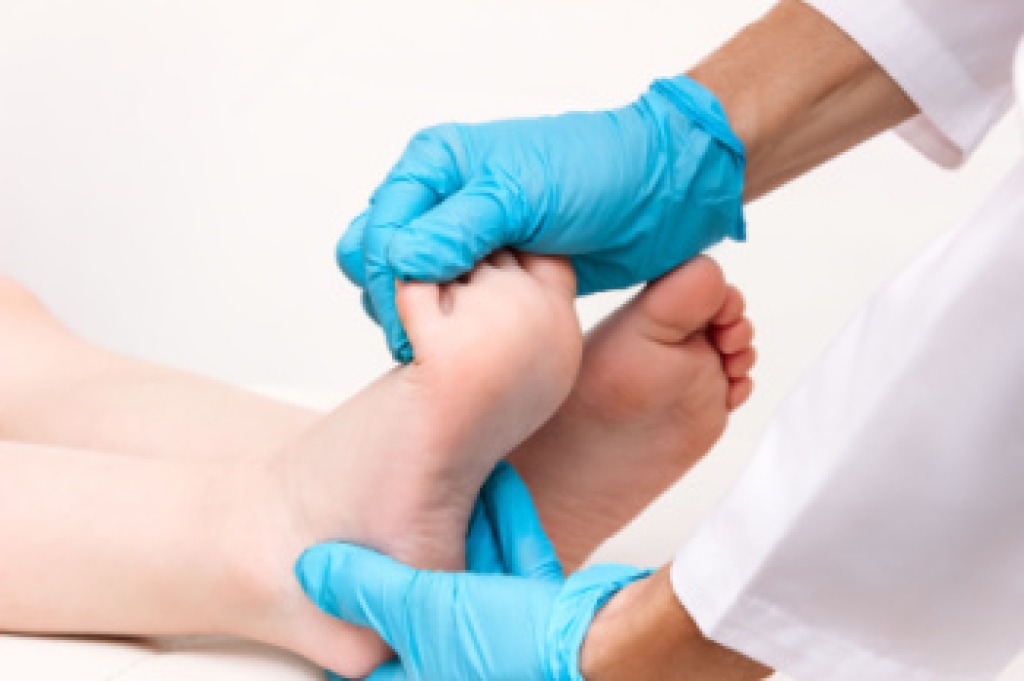
Children’s feet grow and change quickly, and sometimes issues appear that can affect comfort and movement. Flat feet, in-toeing, out-toeing, and toe walking are a few concerns parents may notice. Other common problems include heel pain from activity, ingrown toenails, or warts on the soles of the feet. While many conditions improve as a child grows, some may cause pain, difficulty walking, or poor balance, if left untreated. Because children may not always explain what they feel, parents should watch for signs such as limping, avoiding play, or wearing out shoes unevenly. Supportive shoes, proper nail care, and encouraging healthy activity can help protect young feet. Regular foot checks are also important as part of a child’s overall health. If you notice changes in your child’s feet or walking, it is suggested that you see a podiatrist for evaluation and expert guidance.

Making sure that your children maintain good foot health is very important as they grow. If you have any questions, contact Peter Siroka, DPM of Connecticut. Our doctor can provide the care you need to keep you pain-free and on your feet.

Keeping Children's Feet Healthy

Having healthy feet during childhood can help prevent medical problems later in life, namely in the back and legs. As children grow, their feet require different types of care. Here are some things to consider...

Although babies do not walk yet, it is still very important to take care of their feet.

Avoid putting tight shoes or socks on his or her feet.

Allow the baby to stretch and kick his or her feet to feel comfortable.

As a toddler, kids are now on the move and begin to develop differently. At this age, toddlers are getting a feel for walking, so don’t be alarmed if your toddler is unsteady or ‘walks funny’. 

As your child gets older, it is important to teach them how to take care of their feet.

Show them proper hygiene to prevent infections such as fungus.

Be watchful for any pain or injury.

Have all injuries checked by a doctor as soon as possible.

Comfortable, protective shoes should always be worn, especially at play.

If you have any questions, please feel free to contact our office located in Stamford, CT . We offer the newest diagnostic and treatment technologies for all your foot care needs.
Read more about What to Do to Keep Your Child’s Feet Healthy

Symptoms and Causes of Flat Feet

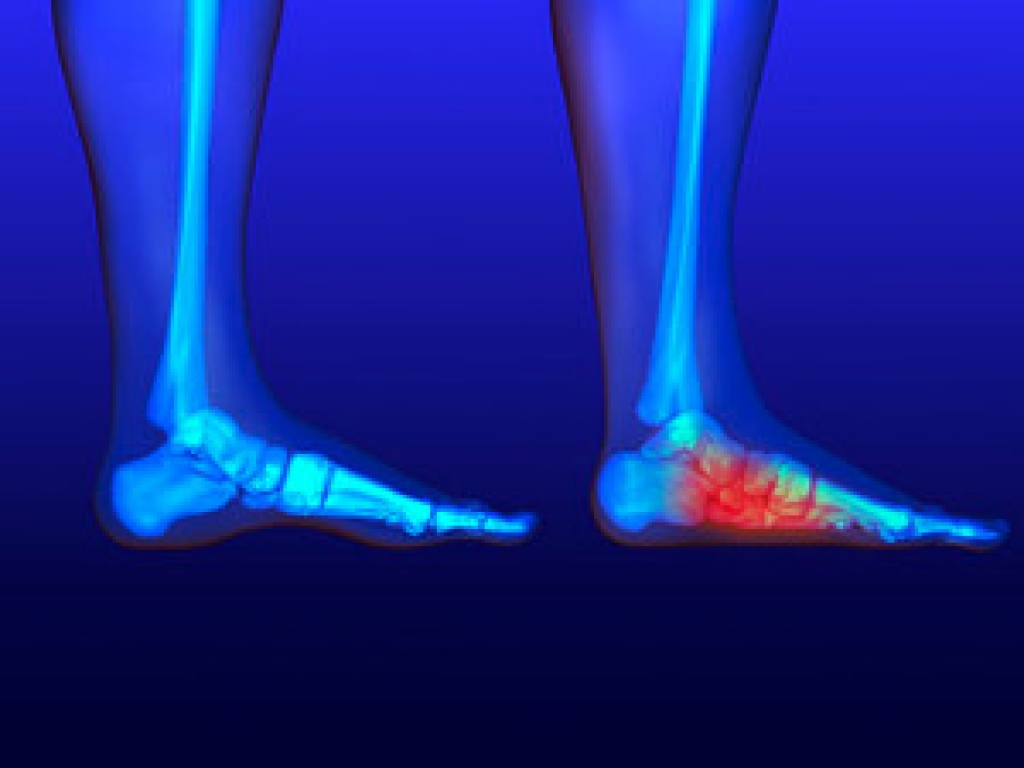
Flat feet, also known as pes planus, occur when the arches of the feet collapse and allow the entire sole to touch the ground. This condition can be present at birth or develop later in life due to aging, injury, obesity, or chronic conditions such as arthritis. Many people with flat feet experience no symptoms, but others may develop pain in the midfoot, arch, or inner ankle, often made worse by activity. Swelling along the inside of the foot or ankle is common, and over time the instability can affect gait and make standing on the toes difficult. Flat feet are often linked to overpronation, where the foot rolls inward excessively, placing strain on the tendons and ligaments of the foot and ankle. A podiatrist can perform a thorough exam, order imaging, if needed, and recommend treatment options that may include orthotics or, in severe cases, surgery. If you are suffering from foot or ankle pain related to flat feet, it is suggested that you schedule an appointment with a podiatrist for relief and management tips.

Flatfoot is a condition many people suffer from. If you have flat feet, contact Peter Siroka, DPM from Connecticut. Our doctor will treat your foot and ankle needs.

What Are Flat Feet?

Flatfoot is a condition in which the arch of the foot is depressed and the sole of the foot is almost completely in contact with the ground. About 20-30% of the population generally has flat feet because their arches never formed during growth.

Conditions & Problems:

Having flat feet makes it difficult to run or walk because of the stress placed on the ankles.

Alignment – The general alignment of your legs can be disrupted, because the ankles move inward which can cause major discomfort.

Knees – If you have complications with your knees, flat feet can be a contributor to arthritis in that area.  

Symptoms

  • Pain around the heel or arch area
  • Trouble standing on the tip toe
  • Swelling around the inside of the ankle
  • Flat look to one or both feet
  • Having your shoes feel uneven when worn

Treatment

If you are experiencing pain and stress on the foot you may weaken the posterior tibial tendon, which runs around the inside of the ankle. 

If you have any questions, please feel free to contact our office located in Stamford, CT . We offer the newest diagnostic and treatment technologies for all your foot care needs.

Read more about Flat Feet

Connect With Us

scroll to top