Painful Blisters

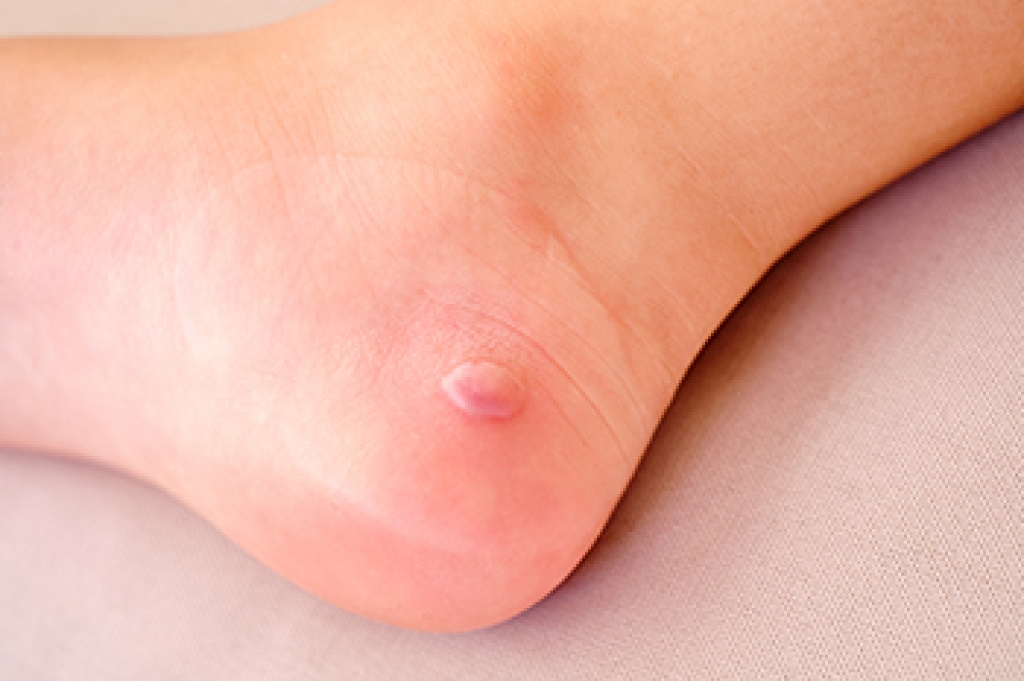
Blisters on the feet are fluid- filled pockets that develop in response to friction, heat, or moisture. They are often the result of wearing ill-fitting shoes or increased activity. These areas may appear as raised, clear bubbles on the skin and can feel tender, especially when walking or wearing shoes. The surrounding skin may be red or irritated, and if the blister breaks, it can become painful and vulnerable to infection. People with diabetes should be especially cautious, as even small blisters can lead to more serious complications. A podiatrist can evaluate the cause of recurring blisters and help prevent them from returning. Treatment includes protecting the area, safely draining larger blisters when appropriate, and recommending proper footwear or padding to reduce friction. Guidance on foot hygiene and skin care can also support healing and prevention. If you have painful or recurring blisters on your feet, it is suggested that you schedule an appointment with a podiatrist for appropriate management solutions.

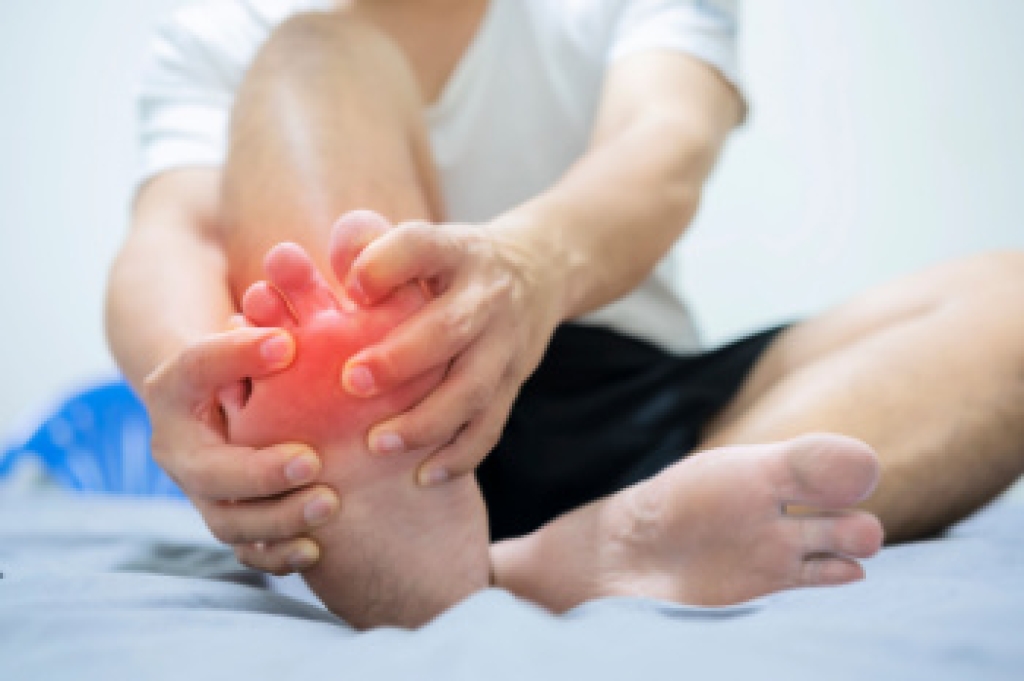
Blisters may appear as a single bubble or in a cluster. They can cause a lot of pain and may be filled with pus, blood, or watery serum. If your feet are hurting, contact Peter Siroka, DPM of Connecticut. Our doctor can provide the care you need to keep you pain-free and on your feet.

Foot Blisters

Foot blisters are often the result of friction. This happens due to the constant rubbing from shoes, which can lead to pain.

What Are Foot Blisters?

A foot blister is a small fluid-filled pocket that forms on the upper-most layer of the skin. Blisters are filled with clear fluid and can lead to blood drainage or pus if the area becomes infected.

Symptoms

(Blister symptoms may vary depending on what is causing them)

  • Bubble of skin filled with fluid
  • Redness
  • Moderate to severe pain
  • Itching

Prevention & Treatment

In order to prevent blisters, you should be sure to wear comfortable shoes with socks that cushion your feet and absorb sweat. Breaking a blister open may increase your chances of developing an infection. However, if your blister breaks, you should wash the area with soap and water immediately and then apply a bandage to the affected area. If your blisters cause severe pain it is important that you call your podiatrist right away.

If you have any questions, please feel free to contact our office located in Stamford, CT . We offer the newest diagnostic and treatment technologies for all your foot care needs.

Read more about Blisters

Plantar Warts Can Be Treated!

Plantar warts are small growths that develop on parts of the feet that bear weight. They're typically found on the bottom of the foot. Don't live with plantar warts, and call us today!

Why Feet May Stay Larger After Pregnancy

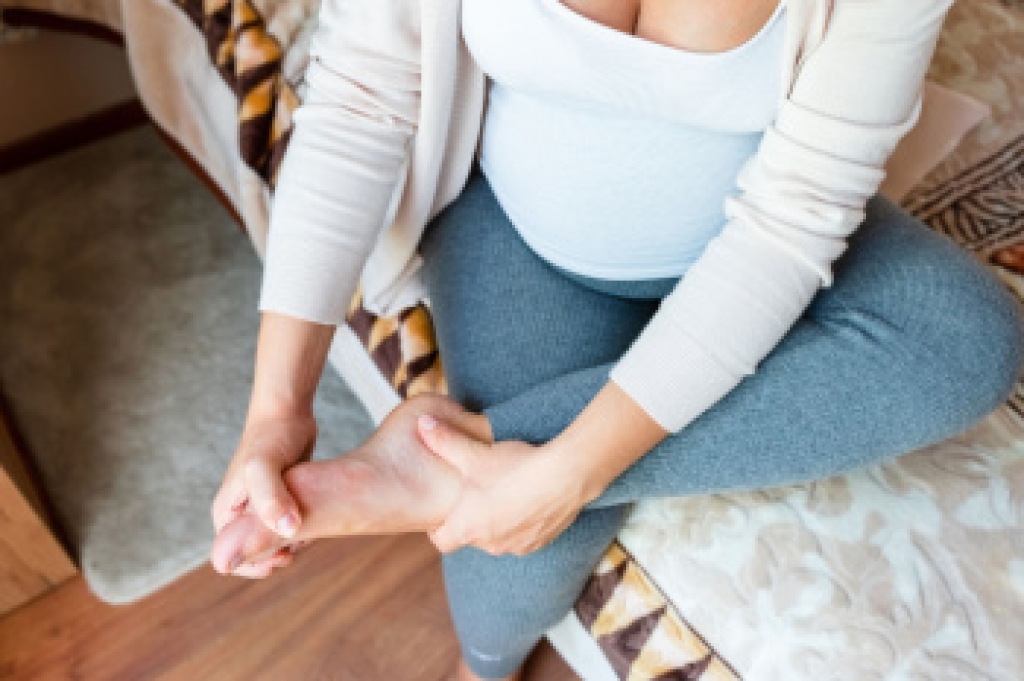
Many women notice that their feet remain larger after pregnancy due to physical changes that occur during this time. Increased body weight places added stress on the feet, which can cause the arches to flatten and lengthen. Hormonal changes also play a role by relaxing ligaments, including those in the sole, leading to permanent structural changes. This added strain can result in discomfort, fatigue, and difficulty finding properly fitting shoes. Risk factors include multiple pregnancies, significant weight gain, and prolonged standing. These changes may also affect overall foot function and alignment, if not addressed. A podiatrist can evaluate these changes, recommend supportive footwear, and provide custom orthotics to improve comfort and stability. If you have noticed any uncomfortable changes in your feet during or after your pregnancy, it is suggested that you consult a podiatrist who can offer relief remedies with personalized care.

Pregnant women with swollen feet can be treated with a variety of different methods that are readily available. For more information about other cures for swollen feet during pregnancy, consult with Peter Siroka, DPM from Connecticut. Our doctor will attend to all of your foot and ankle needs.

What Foot Problems Can Arise During Pregnancy?

One problem that can occur is overpronation, which occurs when the arch of the foot flattens and tends to roll inward.  This can cause pain and discomfort in your heels while you’re walking or even just standing up, trying to support your baby.  

Another problem is edema, or swelling in the extremities. This often affects the feet during pregnancy but tends to occur in the later stages. 

How Can I Keep My Feet Healthy During Pregnancy?

  • Wearing orthotics can provide extra support for the feet and help distribute weight evenly
  • Minimize the amount of time spent walking barefoot
  • Wear shoes with good arch support
  • Wear shoes that allow for good circulation to the feet
  • Elevate feet if you experience swelling
  • Massage your feet
  • Get regular, light exercise, such as walking, to promote blood circulation to the feet

If you have any questions, please feel free to contact our office located in Stamford, CT . We offer the newest diagnostic and treatment technologies for all your foot care needs.

Read more about Foot Care for Pregnant Women

Causes of a Dislocated Toe

A dislocated toe occurs when one of the toe bones is forced out of its normal position, often resulting in pain, swelling, bruising, and a visibly crooked appearance. A child can dislocate a toe during common activities like running, playing sports, or stubbing their foot, which may cause immediate pain, swelling, and difficulty walking. The second toe is the most commonly affected due to its position and involvement in weight-bearing activities. A dislocated toe can make walking difficult and may lead to further complications, if left untreated. A podiatrist can accurately diagnose the dislocation, realign the toe safely, provide supportive taping or splints, and recommend targeted exercises to restore mobility and prevent future injury. If you or your child have incurred a toe injury, it is suggested that you consult a podiatrist who can provide appropriate treatment options.

Toe pain can disrupt your daily activities. If you have any concerns, contact Peter Siroka, DPM of Connecticut. Our doctor can provide the care you need to keep you pain-free and on your feet.

What Causes Toe Pain?

Most severe toe pain is caused due to a sports injury, trauma from dropping something heavy on the toe, or bumping into something rigid. Other problems can develop over time for various reasons.

Toe pain can be caused by one or more ailments. The most common include:

  • Trauma
  • Sports injury
  • Wearing shoes that are too tight
  • Arthritis
  • Gout
  • Corns and calluses
  • Hammertoe
  • Bunions
  • Blisters
  • Ingrown toenails
  • Sprains
  • Fractures (broken bones)
  • Dislocations

When to See a Podiatrist

  • Severe pain
  • Persistent pain that lasts more than a week
  • Signs of infection
  • Continued swelling
  • Pain that prevents walking

Diagnosis

In many cases the cause of toe pain is obvious, but in others, a podiatrist may want to use more advanced methods to determine the problem. These can range from simple visual inspections and sensation tests to X-rays and MRI scans. Prior medical history, family medical history, and any recent physical traumatic events will all be taken into consideration for a proper diagnosis.

Treatment

Treatments for toe pain and injuries vary and may include shoe inserts, padding, taping, medicines, injections, and in some cases, surgery. If you believe that you have broken a toe, please see a podiatrist as soon as possible.

If you have any questions please contact our office located in Stamford, CT . We offer the newest diagnostic and treatment technologies for all your foot and ankle needs.

Read more about Toe Pain

Connect With Us

Advanced Podiatric Procedures & Services in the Fairfield County, CT: Stamford, Greenwich, Darien, Norwalk, New Canaan, Wilton, Weston, Ridgefield, Westport, Fairfield, Bridgeport, New Haven County, CT: Stratford, Shelton, Westchester County, NY: Rye, Port Chester, Mamaroneck, Larchmont, New Rochelle, White Plains areas