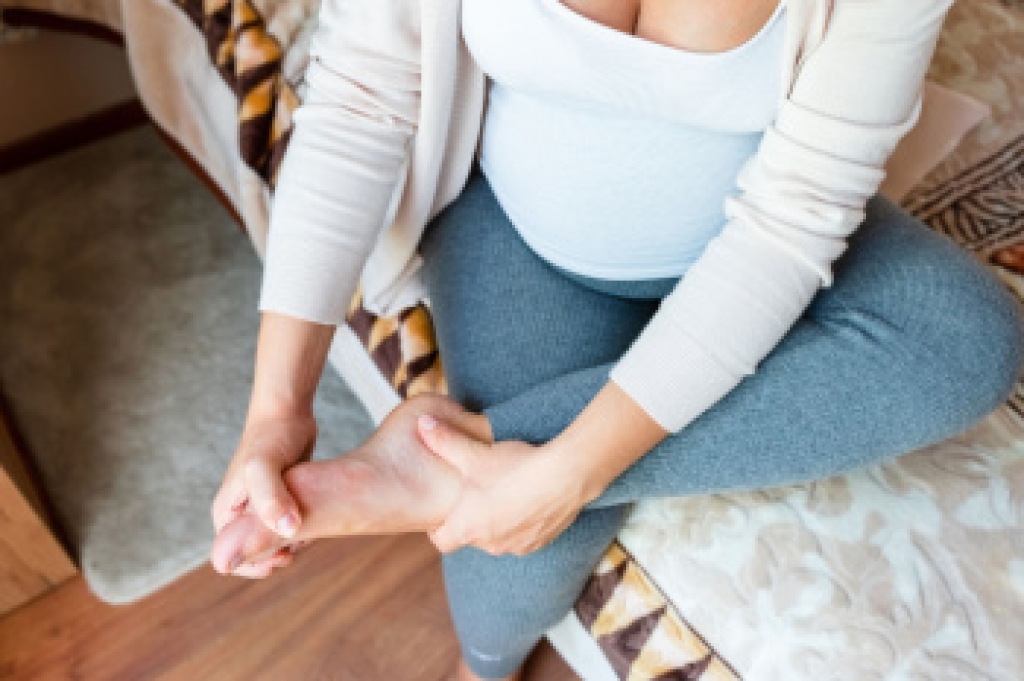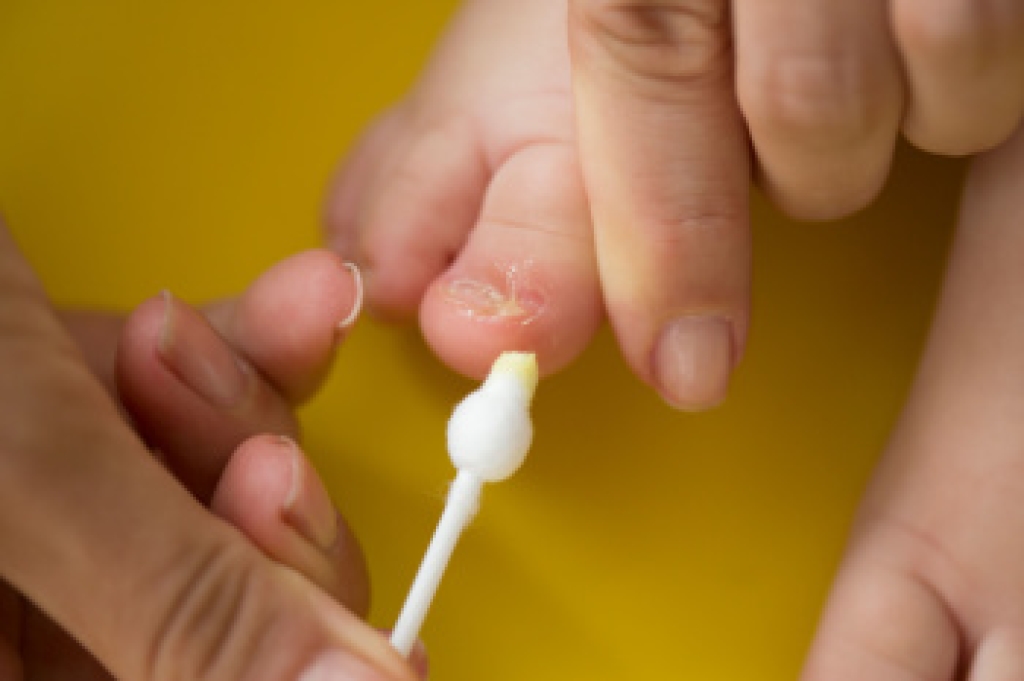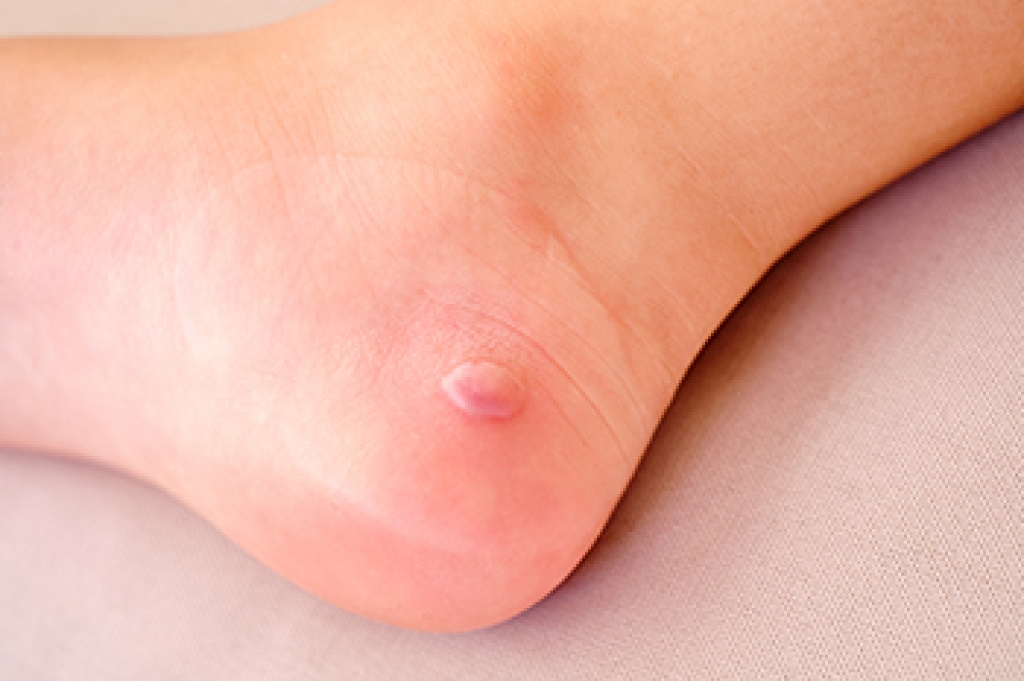
Blisters on the feet are fluid- filled pockets that develop in response to friction, heat, or moisture. They are often the result of wearing ill-fitting shoes or increased activity. These areas may appear as raised, clear bubbles on the skin and can feel tender, especially when walking or wearing shoes. The surrounding skin may be red or irritated, and if the blister breaks, it can become painful and vulnerable to infection. People with diabetes should be especially cautious, as even small blisters can lead to more serious complications. A podiatrist can evaluate the cause of recurring blisters and help prevent them from returning. Treatment includes protecting the area, safely draining larger blisters when appropriate, and recommending proper footwear or padding to reduce friction. Guidance on foot hygiene and skin care can also support healing and prevention. If you have painful or recurring blisters on your feet, it is suggested that you schedule an appointment with a podiatrist for appropriate management solutions.
Blisters may appear as a single bubble or in a cluster. They can cause a lot of pain and may be filled with pus, blood, or watery serum. If your feet are hurting, contact Peter Siroka, DPM of Connecticut. Our doctor can provide the care you need to keep you pain-free and on your feet.
Foot Blisters
Foot blisters are often the result of friction. This happens due to the constant rubbing from shoes, which can lead to pain.
What Are Foot Blisters?
A foot blister is a small fluid-filled pocket that forms on the upper-most layer of the skin. Blisters are filled with clear fluid and can lead to blood drainage or pus if the area becomes infected.
Symptoms
(Blister symptoms may vary depending on what is causing them)
- Bubble of skin filled with fluid
- Redness
- Moderate to severe pain
- Itching
Prevention & Treatment
In order to prevent blisters, you should be sure to wear comfortable shoes with socks that cushion your feet and absorb sweat. Breaking a blister open may increase your chances of developing an infection. However, if your blister breaks, you should wash the area with soap and water immediately and then apply a bandage to the affected area. If your blisters cause severe pain it is important that you call your podiatrist right away.
If you have any questions, please feel free to contact our office located in Stamford, CT . We offer the newest diagnostic and treatment technologies for all your foot care needs.