Causes and Prevention of Ankle Pain While Cycling

Ankle pain while cycling is often due to poor form, overtraining, or using a bike that is the wrong size. Improper cycling form, such as incorrect foot positioning on the pedals, can strain the ankle joints and muscles. Starting with intense or prolonged rides too quickly without allowing your body to adapt can also lead to overuse injuries, including ankle pain. Additionally, riding a bike that does not fit your body properly can force your ankles into awkward positions, causing discomfort and potential injury. To prevent ankle pain, focus on maintaining correct form by keeping your feet properly aligned on the pedals. Gradually increase the intensity and duration of your rides to build strength and endurance. Additionally, ensuring your bike is properly fitted to your body can also help maintain proper alignment and reduce the risk of ankle pain. If your ankle begins to hurt during or after a bike ride, it is suggested that you consult a podiatrist who can properly treat it, and guide you on additional ankle injury prevention techniques.

Sports related foot and ankle injuries require proper treatment before players can go back to their regular routines. For more information, contact Peter Siroka, DPM of Connecticut. Our doctor can provide the care you need to keep you pain-free and on your feet.

Sports Related Foot and Ankle Injuries

Foot and ankle injuries are a common occurrence when it comes to athletes of any sport. While many athletes dismiss the initial aches and pains, the truth is that ignoring potential foot and ankle injuries can lead to serious problems. As athletes continue to place pressure and strain the area further, a mild injury can turn into something as serious as a rupture and may lead to a permanent disability. There are many factors that contribute to sports related foot and ankle injuries, which include failure to warm up properly, not providing support or wearing bad footwear. Common injuries and conditions athletes face, including:

  • Plantar Fasciitis
  • Achilles Tendinitis
  • Achilles Tendon Rupture
  • Ankle Sprains

Sports related injuries are commonly treated using the RICE method. This includes rest, applying ice to the injured area, compression and elevating the ankle. More serious sprains and injuries may require surgery, which could include arthroscopic and reconstructive surgery. Rehabilitation and therapy may also be required in order to get any recovering athlete to become fully functional again. Any unusual aches and pains an athlete sustains must be evaluated by a licensed, reputable medical professional.

If you have any questions please contact our office located in Stamford, CT . We offer the newest diagnostic and treatment technologies for all your foot and ankle needs.


Read more about Sports Related Foot And Ankle Injuries

Symptoms of Diabetic Peripheral Neuropathy

Diabetic peripheral neuropathy is a common issue for individuals with type 2 diabetes, with nearly half experiencing this complication. This condition arises when prolonged high blood sugar levels cause damage to the nerves, especially in the feet and lower legs. Symptoms of peripheral neuropathy include numbness, tingling, burning sensations, and muscle weakness, which can progressively disrupt daily activities. A significant concern is “diabetic foot,” where the loss of feeling and poor blood flow can lead to ulcers, infections, and in severe cases loss of limb. Diabetic neuropathy also can increase the risk of falls and fractures due to lack of sensation in the feet, impaired balance and reduced coordination. Factors such as smoking, high blood pressure, obesity, and cholesterol issues can further increase the risk of developing this diabetic peripheral neuropathy. Early detection and proper management are of extreme importance. If you notice unusual sensations in your feet or lower legs, especially persistent numbness or pain, it is suggested that you make an appointment with a podiatrist who can conduct a thorough examination and recommend a personalized treatment plan. 

Neuropathy

Neuropathy can be a potentially serious condition, especially if it is left undiagnosed. If you have any concerns that you may be experiencing nerve loss in your feet, consult with Peter Siroka, DPM from Connecticut. Our doctor will assess your condition and provide you with quality foot and ankle treatment for neuropathy.

What Is Neuropathy?

Neuropathy is a condition that leads to damage to the nerves in the body. Peripheral neuropathy, or neuropathy that affects your peripheral nervous system, usually occurs in the feet. Neuropathy can be triggered by a number of different causes. Such causes include diabetes, infections, cancers, disorders, and toxic substances.

Symptoms of Neuropathy Include:

  • Numbness
  • Sensation loss
  • Prickling and tingling sensations
  • Throbbing, freezing, burning pains
  • Muscle weakness

Those with diabetes are at serious risk due to being unable to feel an ulcer on their feet. Diabetics usually also suffer from poor blood circulation. This can lead to the wound not healing, infections occurring, and the limb may have to be amputated.

Treatment

To treat neuropathy in the foot, podiatrists will first diagnose the cause of the neuropathy. Figuring out the underlying cause of the neuropathy will allow the podiatrist to prescribe the best treatment, whether it be caused by diabetes, toxic substance exposure, infection, etc. If the nerve has not died, then it’s possible that sensation may be able to return to the foot.

Pain medication may be issued for pain. Electrical nerve stimulation can be used to stimulate nerves. If the neuropathy is caused from pressure on the nerves, then surgery may be necessary.

If you have any questions, please feel free to contact our office located in Stamford, CT . We offer the newest diagnostic and treatment technologies for all your foot care needs.

Read more about Neuropathy

Do You Suffer From Painful Feet?

Painful deformities, such as hammertoes, can be treated. Stop living with foot pain, and have beautiful feet again!

Pain From Heel Fat Pad Atrophy

If you find it difficult to walk or stand for long periods of time due to persistent heel pain, it could be caused by heel fat pad syndrome, also known as fat pad atrophy. This condition results from changes in the elasticity and thickness of the heel fat pad over time, often due to wear and tear on the fatty tissues and muscle fibers. Fat pad atrophy in the heels mimics symptoms of plantar fasciitis but has its own distinct causes and symptoms. Risk factors include overuse, wearing improper footwear, gait imbalances, and certain medical conditions like diabetes or arthritis. Symptoms typically include deep, bruise-like pain in the middle of the heel, increased by weight-bearing activities or walking on hard surfaces. A podiatrist can conduct a thorough evaluation to determine the cause and severity of the condition. Relief options may involve activity modification, custom insoles, and home exercise programs aimed at improving foot biomechanics and muscle control. If you have heel pain, it is suggested that you schedule an appointment with a podiatrist for guidance on correct treatment methods.

Many people suffer from bouts of heel pain. For more information, contact Peter Siroka, DPM of Connecticut. Our doctor can provide the care you need to keep you pain-free and on your feet.

Causes of Heel Pain

Heel pain is often associated with plantar fasciitis. The plantar fascia is a band of tissues that extends along the bottom of the foot. A rip or tear in this ligament can cause inflammation of the tissue.

Achilles tendonitis is another cause of heel pain. Inflammation of the Achilles tendon will cause pain from fractures and muscle tearing. Lack of flexibility is also another symptom.

Heel spurs are another cause of pain. When the tissues of the plantar fascia undergo a great deal of stress, it can lead to ligament separation from the heel bone, causing heel spurs.

Why Might Heel Pain Occur?

  • Wearing ill-fitting shoes                
  • Wearing non-supportive shoes
  • Weight change           
  • Excessive running

Treatments

Heel pain should be treated as soon as possible for immediate results. Keeping your feet in a stress-free environment will help. If you suffer from Achilles tendonitis or plantar fasciitis, applying ice will reduce the swelling. Stretching before an exercise like running will help the muscles. Using all these tips will help make heel pain a condition of the past.

If you have any questions, please feel free to contact our office located in Stamford, CT . We offer the newest diagnostic and treatment technologies for all your foot care needs.

Read more about Heel Pain

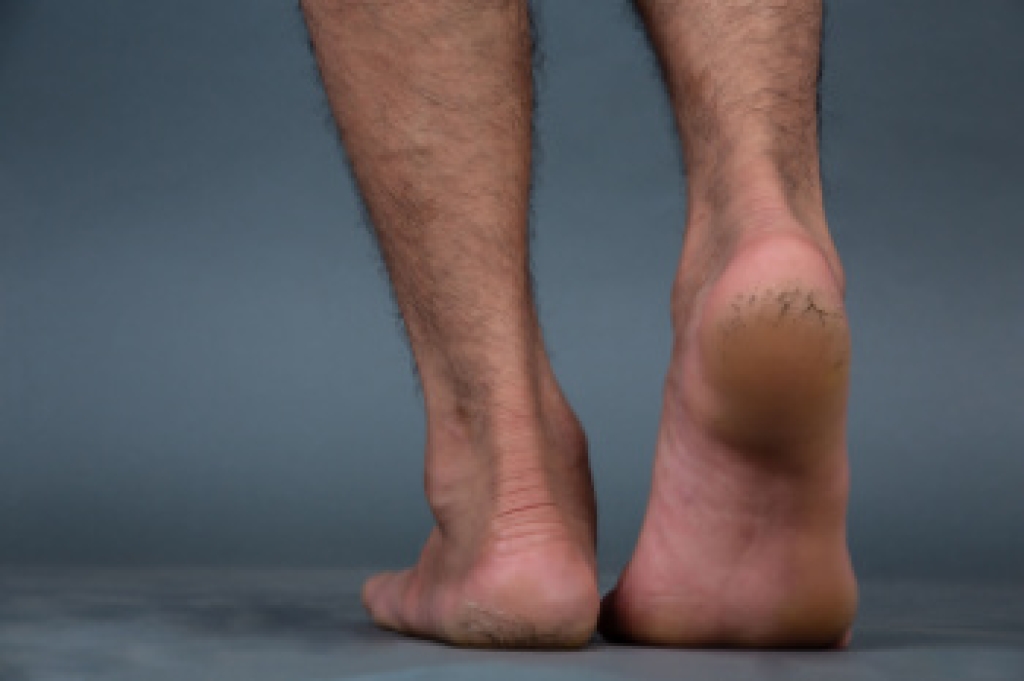
Understanding and Preventing Cracked Heels

Cracked heels occur when the skin on the heels becomes dry, thickened, and fissured, often leading to discomfort and cosmetic concerns. This condition, medically known as heel fissures, can result from various factors, including dehydration, prolonged standing, wearing open-back shoes, or inadequate foot care. The skin on the heels lacks oil glands, making it prone to dryness and cracking, especially in dry climates or during colder months. To prevent cracked heels, it is essential to maintain proper foot hygiene by regularly moisturizing the heels with a hydrating foot cream or lotion. Exfoliating the heels gently to remove dead skin buildup and wearing supportive footwear that protects the heels can also help prevent the formation of cracks. Additionally, staying hydrated, maintaining a balanced diet rich in vitamins and minerals, and avoiding excessive standing or walking barefoot can contribute to overall foot health and prevent cracked heels from developing. Cracked heels can be painful. If you have developed this foot condition, it is suggested that you consult a podiatrist who can offer you effective treatment methods, which may include prescribed medication.

If the skin on your feet starts to crack, you may want to see a podiatrist to find treatment. If you have any concerns, contact Peter Siroka, DPM from Connecticut. Our doctor can provide the care you need to keep you pain-free and on your feet.

Cracked Heels

It is important to moisturize your cracked heels in order to prevent pain, bleeding, and infection. The reason cracked heels form is because the skin on the foot is too dry to support the immense pressure placed on them. When the foot expands, the dry skin on the foot begins to split.

Ways to Help Heal Them

  • Invest in a good foot cream
  • Try Using Petroleum Jelly
  • Ease up on Soaps
  • Drink Plenty of Water

Ways to Prevent Cracked Heels

  • Moisturize After Showering
  • Skip a Shower
  • Keep Shower Water Lukewarm
  • Don’t Scrub Your Feet

If you are unsure how to proceed in treating cracked heels, seek guidance from a podiatrist. Your doctor will help you with any questions or information you may need. 

If you have any questions, please feel free to contact our office located in Stamford, CT . We offer the newest diagnostic and treatment technologies for all your foot care needs.

Read more about Solutions for Cracked Heels

Professional Foot Corn Removal

Corns are hard, thickened areas of skin that form on the feet in response to pressure and friction. They typically develop on the toes or the soles of the feet. These skin lesions can cause discomfort and pain, particularly when pressure is applied, such as while wearing shoes. Although corns form to protect the skin, they often grow too thick and need to be managed. A podiatrist, or foot doctor, can professionally remove corns through several methods. One common technique is carefully paring down the thickened skin using a scalpel. This should only be done by a professional to avoid injury. For persistent corns, a podiatrist may also use salicylic acid treatments to chemically pare down the excess skin. Additionally, custom orthotics or padding might be recommended to relieve pressure and prevent the recurrence of corns. In severe cases, a podiatrist may suggest surgical correction of the underlying bone structure that causes the friction. If you are struggling with foot corns, it is suggested that you visit a podiatrist for personalized and safe treatment. 

If you have any concerns regarding your feet and ankles, contact Peter Siroka, DPM of Connecticut. Our doctor will treat your foot and ankle needs.

Corns: What Are They? and How Do You Get Rid of Them?
Corns can be described as areas of the skin that have thickened to the point of becoming painful or irritating. They are often layers and layers of the skin that have become dry and rough, and are normally smaller than calluses.

Ways to Prevent Corns
There are many ways to get rid of painful corns such as wearing:

  • Well-fitting socks
  • Comfortable shoes that are not tight around your foot
  • Shoes that offer support

Treating Corns
Treatment of corns involves removing the dead skin that has built up in the specific area of the foot. Consult with Our doctor to determine the best treatment option for your case of corns.

If you have any questions, please feel free to contact our office located in Stamford, CT . We offer the newest diagnostic and treatment technologies for all your foot care needs.

Read more about Corns: What Are They, and How Do You Get Rid of Them

The Many Causes of Swollen Ankles

Swollen ankles can arise from various factors, ranging from genetics to underlying health conditions. It is important to delve deeper into the potential causes of swollen ankles, because they can signal serious underlying health issues. For instance, obesity, diabetes, infections, and venous insufficiency can lead to fluid retention in the ankles, which makes them become swollen. Other serious conditions that can result in swelling in the ankles include congestive heart failure, deep vein thrombosis, and liver or kidney problems. Pregnancy, medications, insect bites, and sprains can also cause the ankle to swell. Prolonged standing or consuming excess salt are other other factors. Depending on the underlying cause, interventions may include lifestyle modifications, medications, or targeted therapies. If you have noticed that your ankles are swelling abnormally, it is suggested that you schedule an appointment with a podiatrist for an accurate diagnosis and personalized treatment plan.

Ankle pain can be caused by a number of problems and may be potentially serious. If you have ankle pain, consult with Peter Siroka, DPM from Connecticut. Our doctor will assess your condition and provide you with quality foot and ankle treatment.

Ankle pain is any condition that causes pain in the ankle. Due to the fact that the ankle consists of tendons, muscles, bones, and ligaments, ankle pain can come from a number of different conditions.

Causes

The most common causes of ankle pain include:

  • Types of arthritis (rheumatoid, osteoarthritis, and gout)
  • Ankle sprains
  • Broken ankles
  • Achilles tendonitis
  • Achilles tendon rupture
  • Stress fractures
  • Bursitis
  • Tarsal tunnel syndrome
  • Plantar fasciitis

Symptoms

Symptoms of ankle injury vary based upon the condition. Pain may include general pain and discomfort, swelling, aching, redness, bruising, burning or stabbing sensations, and/or loss of sensation.

Diagnosis

Due to the wide variety of potential causes of ankle pain, podiatrists will utilize a number of different methods to properly diagnose ankle pain. This can include asking for personal and family medical histories and of any recent injuries. Further diagnosis may include sensation tests, a physical examination, and potentially x-rays or other imaging tests.

Treatment

Just as the range of causes varies widely, so do treatments. Some more common treatments are rest, ice packs, keeping pressure off the foot, orthotics and braces, medication for inflammation and pain, and surgery.

If you have any questions please feel free to contact our office located in Stamford, CT . We offer the newest diagnostic tools and technology to treat your foot and ankle needs.

Read more about Ankle Pain

Are You Suffering From Ingrown Toenails?

If left untreated, an ingrown toenail can lead to more serious concerns, such as an infection. Knowing proper nail care can help in the prevention of an ingrown toenail. Give us a call, and get treated!

Causes of Swollen Feet

Foot swelling, or edema, is characterized by excess fluid accumulation in the feet and ankles, leading to puffiness and discomfort. Various factors can contribute to swelling in the feet, such as pregnancy, where the added weight and pressure from carrying a baby can cause fluid retention in the lower extremities. Injuries like fractures or sprains can also trigger swelling as the body responds to the trauma. Medical conditions, such as heart failure or kidney disease, can disrupt the body's fluid balance, leading to edema. Certain medications, including those for blood pressure and antidepressants, may also induce fluid retention. Extended periods of standing or sitting can cause blood to pool in the feet and ankles, which aggravates swelling. Treatment involves addressing the underlying cause, with options that may include rest and physical therapy for injuries, medication, or lifestyle changes for medical conditions. If you're dealing with persistent foot swelling, seeking guidance from a podiatrist is essential. This foot and ankle doctor can pinpoint the cause and recommend suitable treatment strategies. It is suggested that you make an appointment with a podiatrist for an exam and treatment options.

Swollen feet can be a sign of an underlying condition. If you have any concerns, contact Peter Siroka, DPM of Connecticut. Our doctor can provide the care you need to keep you pain-free and on your feet.

Swollen feet are a common ailment among pregnant women and people who stand or sit for extended periods. Aging may increase the possibility of swollen feet and patients who are obese often notice when their feet are swelling too. There may be medical reasons why swollen feet occur:

  • Phlebitis - A condition that causes the veins to become inflamed and can also cause leg pain.
  • Liver disease - This may lead to low blood levels of albumin which is a protein. This can cause fluid in the blood to pass into the tissues and several areas of the body can become swollen.
  • Heart failure - When the heart doesn’t pump properly the blood that is normally pumped back to the heart can pool in the veins of the legs causing swollen feet.
  • Kidney disease - One of the main functions of the kidneys is releasing excess fluid in the body. This type of condition can make it difficult for the kidneys to function properly, and as a result the feet may become swollen.
  • Deep-vein thrombosis (DVT)- This is a serious condition where blood clots form in the veins of the legs. They can block the return of blood from the legs to the heart which may cause the feet to swell. It is important to be treated by a podiatrist if this condition is present.

Swollen feet can also be caused by bone and tendon conditions, including fractures, arthritis, and tendinitis. Additionally, there may be skin and toenail conditions and an infection may cause the feet to swell. Patients who take medicine to treat high blood pressure may be prone to getting swollen feet. 

Many patients elevate their feet to help relieve the swelling and this is generally a temporary remedy. When a podiatrist is consulted the reason behind the swelling can be uncovered and subsequently treated.

If you have any questions please contact our office located in Stamford, CT . We offer the newest diagnostic and treatment technologies for all your foot and ankle needs.

Read more about Swelling of the Feet

Definition and Causes of High Ankle Sprains

A high ankle sprain, also known as a syndesmotic sprain, occurs when the ligaments connecting the two lower leg bones, the tibia and fibula, are stretched or torn. Unlike traditional ankle sprains, which typically involve the ligaments on the outer side of the ankle, high ankle sprains affect the ligaments above the ankle joint, near the shin. These injuries often result from sudden twisting or rotational movements of the foot, such as those experienced during sports activities like football, basketball, or skiing. Additionally, direct blows to the lower leg or excessive force applied to the ankle can also cause high ankle sprains. Athletes and individuals with poor balance, weak ankle muscles, or previous ankle injuries are at higher risk of experiencing high ankle sprains. If you have sprained your ankle, it is suggested that you seek the advice of a podiatrist who can determine what type of sprain it is, and offer appropriate treatment solutions.

Ankle sprains are common but need immediate attention. If you need your feet checked, contact Peter Siroka, DPM from Connecticut. Our doctor can provide the care you need to keep you pain-free and on your feet.

How Does an Ankle Sprain Occur?

Ankle sprains take place when the ligaments in your ankle are torn or stretched beyond their limits. There are multiple ways that the ankle can become injured, including twisting or rolling over onto your ankle, putting undue stress on it, or causing trauma to the ankle itself.

What Are the Symptoms?

  • Mild to moderate bruising
  • Limited mobility
  • Swelling
  • Discoloration of the skin (depending on severity)

Preventing a Sprain

  • Wearing appropriate shoes for the occasion
  • Stretching before exercises and sports
  • Knowing your limits

Treatment of a Sprain

Treatment of a sprain depends on the severity.  Many times, people are told to rest and remain off their feet completely, while others are given an air cast. If the sprain is very severe, surgery may be required.

If you have suffered an ankle sprain previously, you may want to consider additional support such as a brace and regular exercises to strengthen the ankle.

If you have any questions please feel free to contact our office located in Stamford, CT . We offer the newest diagnostic tools and technology to treat your foot and ankle needs.

Read more about Ankle Sprains

Connect With Us

scroll to top