
Common Foot Problems in Children

Children’s feet grow and change quickly, and sometimes issues appear that can affect comfort and movement. Flat feet, in-toeing, out-toeing, and toe walking are a few concerns parents may notice. Other common problems include heel pain from activity, ingrown toenails, or warts on the soles of the feet. While many conditions improve as a child grows, some may cause pain, difficulty walking, or poor balance, if left untreated. Because children may not always explain what they feel, parents should watch for signs such as limping, avoiding play, or wearing out shoes unevenly. Supportive shoes, proper nail care, and encouraging healthy activity can help protect young feet. Regular foot checks are also important as part of a child’s overall health. If you notice changes in your child’s feet or walking, it is suggested that you see a podiatrist for evaluation and expert guidance.

Making sure that your children maintain good foot health is very important as they grow. If you have any questions, contact Peter Siroka, DPM of Connecticut. Our doctor can provide the care you need to keep you pain-free and on your feet.

Keeping Children's Feet Healthy

Having healthy feet during childhood can help prevent medical problems later in life, namely in the back and legs. As children grow, their feet require different types of care. Here are some things to consider...

Although babies do not walk yet, it is still very important to take care of their feet.

Avoid putting tight shoes or socks on his or her feet.

Allow the baby to stretch and kick his or her feet to feel comfortable.

As a toddler, kids are now on the move and begin to develop differently. At this age, toddlers are getting a feel for walking, so don’t be alarmed if your toddler is unsteady or ‘walks funny’. 

As your child gets older, it is important to teach them how to take care of their feet.

Show them proper hygiene to prevent infections such as fungus.

Be watchful for any pain or injury.

Have all injuries checked by a doctor as soon as possible.

Comfortable, protective shoes should always be worn, especially at play.

If you have any questions, please feel free to contact our office located in Stamford, CT . We offer the newest diagnostic and treatment technologies for all your foot care needs.
Read more about What to Do to Keep Your Child’s Feet Healthy

Symptoms and Causes of Flat Feet

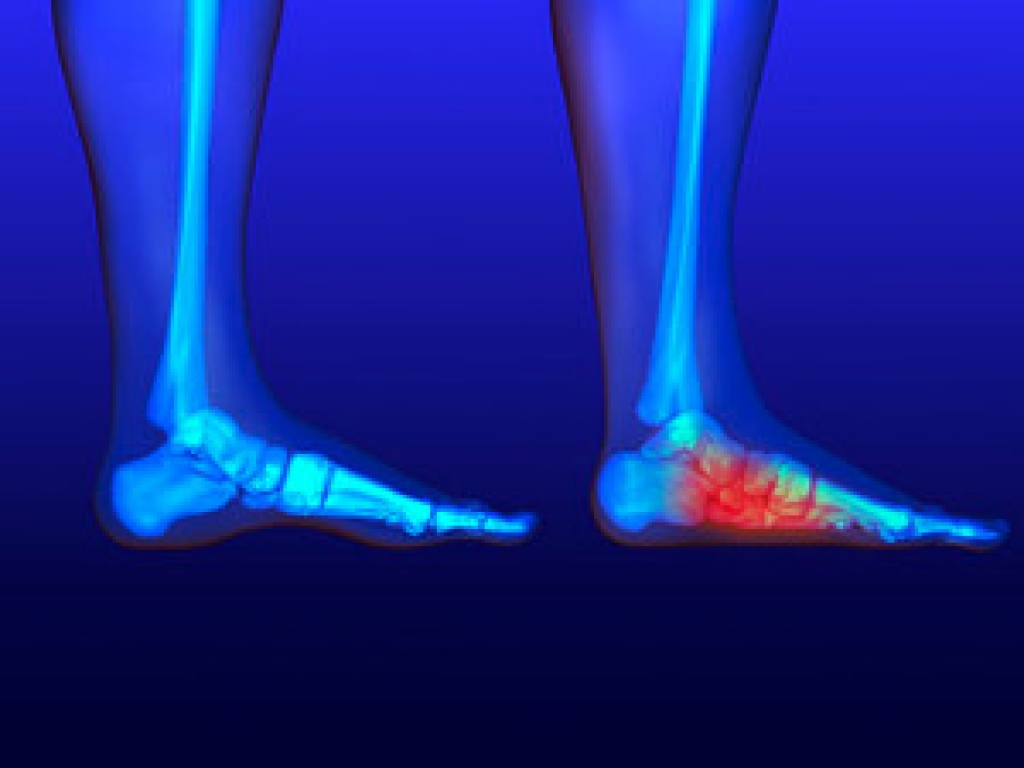
Flat feet, also known as pes planus, occur when the arches of the feet collapse and allow the entire sole to touch the ground. This condition can be present at birth or develop later in life due to aging, injury, obesity, or chronic conditions such as arthritis. Many people with flat feet experience no symptoms, but others may develop pain in the midfoot, arch, or inner ankle, often made worse by activity. Swelling along the inside of the foot or ankle is common, and over time the instability can affect gait and make standing on the toes difficult. Flat feet are often linked to overpronation, where the foot rolls inward excessively, placing strain on the tendons and ligaments of the foot and ankle. A podiatrist can perform a thorough exam, order imaging, if needed, and recommend treatment options that may include orthotics or, in severe cases, surgery. If you are suffering from foot or ankle pain related to flat feet, it is suggested that you schedule an appointment with a podiatrist for relief and management tips.

Flatfoot is a condition many people suffer from. If you have flat feet, contact Peter Siroka, DPM from Connecticut. Our doctor will treat your foot and ankle needs.

What Are Flat Feet?

Flatfoot is a condition in which the arch of the foot is depressed and the sole of the foot is almost completely in contact with the ground. About 20-30% of the population generally has flat feet because their arches never formed during growth.

Conditions & Problems:

Having flat feet makes it difficult to run or walk because of the stress placed on the ankles.

Alignment – The general alignment of your legs can be disrupted, because the ankles move inward which can cause major discomfort.

Knees – If you have complications with your knees, flat feet can be a contributor to arthritis in that area.  

Symptoms

  • Pain around the heel or arch area
  • Trouble standing on the tip toe
  • Swelling around the inside of the ankle
  • Flat look to one or both feet
  • Having your shoes feel uneven when worn

Treatment

If you are experiencing pain and stress on the foot you may weaken the posterior tibial tendon, which runs around the inside of the ankle. 

If you have any questions, please feel free to contact our office located in Stamford, CT . We offer the newest diagnostic and treatment technologies for all your foot care needs.

Read more about Flat Feet

Types and Symptoms of Achilles Tendonitis

Achilles tendonitis causes pain and stiffness in the back of the heel, where the Achilles tendon connects the calf muscles to the bone. This tendon can be affected in two main ways. Insertional Achilles tendonitis occurs where the tendon attaches directly to the heel bone, sometimes involving bone spurs that rub against the tendon. Non-insertional Achilles tendonitis develops slightly higher up in the middle portion of the tendon, an area that has a limited blood supply, and often affects active people. Symptoms of Achilles tendonitis include aching or sharp pain at the back of the heel, tenderness when pressing the tendon, swelling, and visible thickening of the tendon. A podiatrist can evaluate the symptoms, provide imaging if needed, and discuss treatment options, including pain medication, exercises, or surgery, if required. If you are experiencing pain in the back of your heel, it is suggested that you make an appointment with a podiatrist for an exam, diagnosis, and treatment.

Achilles tendon injuries need immediate attention to avoid future complications. If you have any concerns, contact Peter Siroka, DPM of Connecticut. Our doctor can provide the care you need to keep you pain-free and on your feet.

What Is the Achilles Tendon?

The Achilles tendon is a tendon that connects the lower leg muscles and calf to the heel of the foot. It is the strongest tendon in the human body and is essential for making movement possible. Because this tendon is such an integral part of the body, any injuries to it can create immense difficulties and should immediately be presented to a doctor.

What Are the Symptoms of an Achilles Tendon Injury?

There are various types of injuries that can affect the Achilles tendon. The two most common injuries are Achilles tendinitis and ruptures of the tendon.

Achilles Tendinitis Symptoms

  • Inflammation
  • Dull to severe pain
  • Increased blood flow to the tendon
  • Thickening of the tendon

Rupture Symptoms

  • Extreme pain and swelling in the foot
  • Total immobility

Treatment and Prevention

Achilles tendon injuries are diagnosed by a thorough physical evaluation, which can include an MRI. Treatment involves rest, physical therapy, and in some cases, surgery. However, various preventative measures can be taken to avoid these injuries, such as:

  • Thorough stretching of the tendon before and after exercise
  • Strengthening exercises like calf raises, squats, leg curls, leg extensions, leg raises, lunges, and leg presses

If you have any questions please feel free to contact our office located in Stamford, CT . We offer the newest diagnostic tools and technology to treat your foot and ankle needs.

Read more about The Causes, Types, and Treatments of Achilles Tendon Injuries

Types of Ankle Sprains and Their Care

Ankle sprains are common injuries that occur when the ligaments are stretched or torn. They are classified into grades that indicate severity. A Grade 1 sprain is mild with slight stretching of ligaments, Grade 2 is moderate with partial tearing, and Grade 3 is severe with complete ligament rupture. Causes include sudden twisting, falls, or sports injuries. Risk factors include weak muscles, wearing improper footwear, or uneven surfaces. Symptoms range from pain and swelling to instability and limited mobility. A podiatrist can provide an accurate diagnosis and treatment to restore strength and prevent re-injury. If you have ankle pain, it is suggested that you consult a podiatrist who can accurately diagnose and treat what may be going on.

Ankle sprains are common but need immediate attention. If you need your feet checked, contact Peter Siroka, DPM from Connecticut. Our doctor can provide the care you need to keep you pain-free and on your feet.

How Does an Ankle Sprain Occur?

Ankle sprains take place when the ligaments in your ankle are torn or stretched beyond their limits. There are multiple ways that the ankle can become injured, including twisting or rolling over onto your ankle, putting undue stress on it, or causing trauma to the ankle itself.

What Are the Symptoms?

  • Mild to moderate bruising
  • Limited mobility
  • Swelling
  • Discoloration of the skin (depending on severity)

Preventing a Sprain

  • Wearing appropriate shoes for the occasion
  • Stretching before exercises and sports
  • Knowing your limits

Treatment of a Sprain

Treatment of a sprain depends on the severity.  Many times, people are told to rest and remain off their feet completely, while others are given an air cast. If the sprain is very severe, surgery may be required.

If you have suffered an ankle sprain previously, you may want to consider additional support such as a brace and regular exercises to strengthen the ankle.

If you have any questions please feel free to contact our office located in Stamford, CT . We offer the newest diagnostic tools and technology to treat your foot and ankle needs.

Read more about Ankle Sprains

Why In-Office Foot Surgery Can Be a Smart Choice

Many podiatric procedures can be performed safely and effectively right in the office, offering patients a more convenient experience. In-office surgeries often require only local anesthesia, which lowers risks associated with general anesthesia and allows for faster recovery. The familiar setting can reduce stress compared to a hospital environment, and scheduling is often more flexible, meaning shorter wait times for treatment. Procedures such as permanent correction of ingrown toenails, removal of soft tissue masses, or certain minor fracture repairs can often be managed on-site. Patients also benefit from lower costs, since hospital and facility fees are avoided. After the procedure, follow up care is provided in the same office where the relationship with the podiatrist is already established. If you are considering surgery for a foot or ankle condition, it is suggested that you consult a podiatrist to explore in-office options.

Foot surgery is sometimes necessary to treat a foot ailment. To learn more, contact Peter Siroka, DPM of Connecticut. Our doctor will assist you with all of your foot and ankle needs.

When Is Surgery Necessary?

Foot and ankle surgery is generally reserved for cases in which less invasive, conservative procedures have failed to alleviate the problem. Some of the cases in which surgery may be necessary include:

  • Removing foot deformities like bunions and bone spurs
  • Severe arthritis that has caused bone issues
  • Cosmetic reconstruction

What Types of Surgery Are There?

The type of surgery you receive will depend on the nature of the problem you have. Some of the possible surgeries include:

  • Bunionectomy for painful bunions
  • Surgical fusion for realignment of bones
  • Neuropathy decompression surgery to treat nerve damage

Benefits of Surgery

Although surgery is usually a last resort, it can provide more complete pain relief compared to non-surgical methods and may allow you to finally resume full activity.

Surgical techniques have also become increasingly sophisticated. Techniques like endoscopic surgery allow for smaller incisions and faster recovery times.

If you have any questions, please feel free to contact our office located in Stamford, CT . We offer the newest diagnostic and treatment technologies for all your foot care needs.

Read more about Foot Surgery

Connect With Us

scroll to top