Sudden Joint Pain

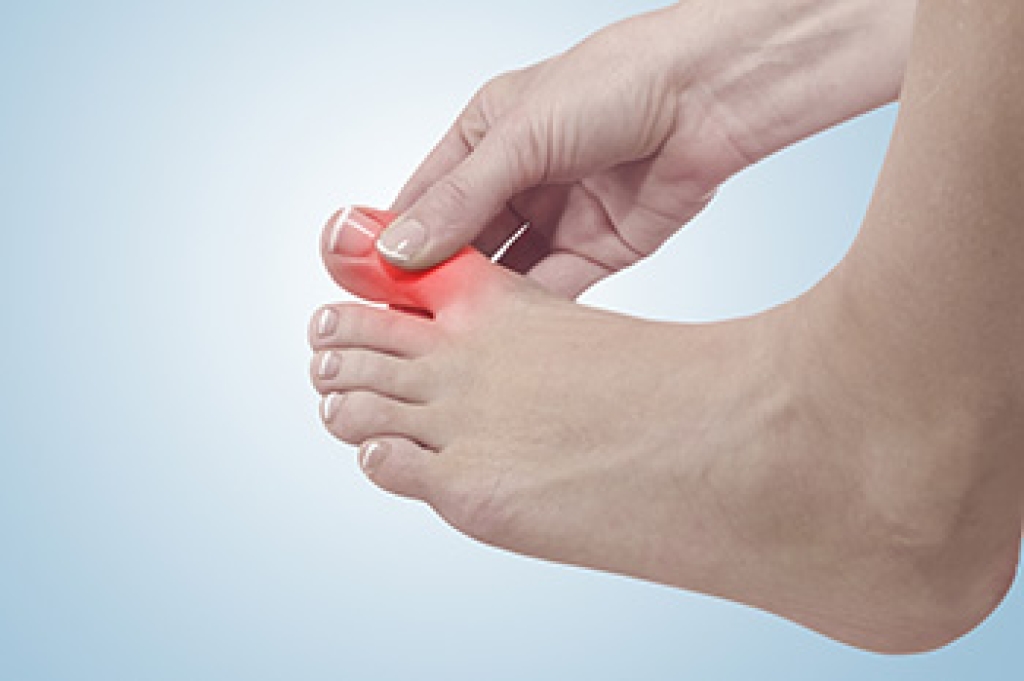
Gout is a form of inflammatory arthritis that commonly affects the foot, especially the big toe, and often appears without warning. It is caused by a buildup of uric acid in the blood, which can form sharp crystals in the joints due to diet, genetics, dehydration, or certain medical conditions. Symptoms include intense pain, swelling, redness, and warmth that may develop overnight. The joint may look shiny, swollen, and inflamed, and it often feels extremely tender to the touch, making walking difficult. A podiatrist can help by starting with a detailed history and physical exam, supported by imaging or lab testing when needed to confirm the diagnosis. Treatment may progress to medication management, footwear guidance, dietary education, and strategies to reduce flare-ups. Early care can limit joint damage and improve mobility. If you have gout, it is suggested that you schedule  an appointment with a podiatrist for effective relief and management tips.

Gout is a foot condition that requires certain treatment and care. If you are seeking treatment, contact Peter Siroka, DPM from Connecticut. Our doctor will treat your foot and ankle needs.

What Is Gout?

Gout is a type of arthritis caused by a buildup of uric acid in the bloodstream. It often develops in the foot, especially the big toe area, although it can manifest in other parts of the body as well. Gout can make walking and standing very painful and is especially common in diabetics and the obese.

People typically get gout because of a poor diet. Genetic predisposition is also a factor. The children of parents who have had gout frequently have a chance of developing it themselves.

Gout can easily be identified by redness and inflammation of the big toe and the surrounding areas of the foot. Other symptoms include extreme fatigue, joint pain, and running high fevers. Sometimes corticosteroid drugs can be prescribed to treat gout, but the best way to combat this disease is to get more exercise and eat a better diet.

If you have any questions, please feel free to contact our office located in Stamford, CT . We offer the newest diagnostic and treatment technologies for all your foot care needs.


Read more about Everything You Need to Know About Gout

Yoga Poses That May Help Relieve Plantar Fasciitis

Yoga poses can support flexibility and strength in the feet, and may help ease plantar fasciitis discomfort. Upward salute is performed by standing tall, lifting the arms overhead, and gently stretching through the arches while grounding the heels. Chair pose involves bending the knees while keeping weight evenly distributed through the feet to strengthen the arches and lower legs. High lunge is done by stepping one foot back, pressing the heel down, and stretching the calf and plantar tissues. Additionally, table top toe pose is performed on hands and knees with toes tucked under to stretch the bottom of the feet. A podiatrist can diagnose plantar fasciitis, guide safe movement, and create a comprehensive treatment plan, which may include effective yoga poses. If you have symptoms of plantar fasciitis, it is suggested that you consult a podiatrist who can offer effective relief and treatment techniques. 

Stretching the feet is a great way to prevent injuries. If you have any concerns with your feet consult with Peter Siroka, DPM from Connecticut. Our doctor will assess your condition and provide you with quality foot and ankle treatment.

Stretching the Feet

Being the backbone of the body, the feet carry your entire weight and can easily become overexerted, causing cramps and pain. As with any body part, stretching your feet can serve many benefits. From increasing flexibility to even providing some pain relief, be sure to give your feet a stretch from time to time. This is especially important for athletes or anyone performing aerobic exercises, but anyone experiencing foot pain or is on their feet constantly should also engage in this practice.

Great ways to stretch your feet:

  • Crossing one leg over the others and carefully pull your toes back. Do 10-20 repetitions and repeat the process for each foot
  • Face a wall with your arms out and hands flat against the wall. Step back with one foot and keep it flat on the floor while moving the other leg forward. Lean towards the wall until you feel a stretch. Hold for 30 seconds and perform 10 repetitions for each foot
  • Be sure not to overextend or push your limbs too hard or you could risk pulling or straining your muscle

Individuals who tend to their feet by regular stretching every day should be able to minimize foot pain and prevent new problems from arising.

If you have any questions please contact our office located in Stamford, CT . We offer the newest diagnostic and treatment technologies for all your foot and ankle needs.

Read more about How to Stretch Your Feet

Are You Suffering From Ingrown Toenails?

If left untreated, an ingrown toenail can lead to more serious concerns, such as an infection. Knowing proper nail care can help in the prevention of an ingrown toenail. Give us a call, and get treated!

Understanding Athlete’s Foot and How It Is Treated

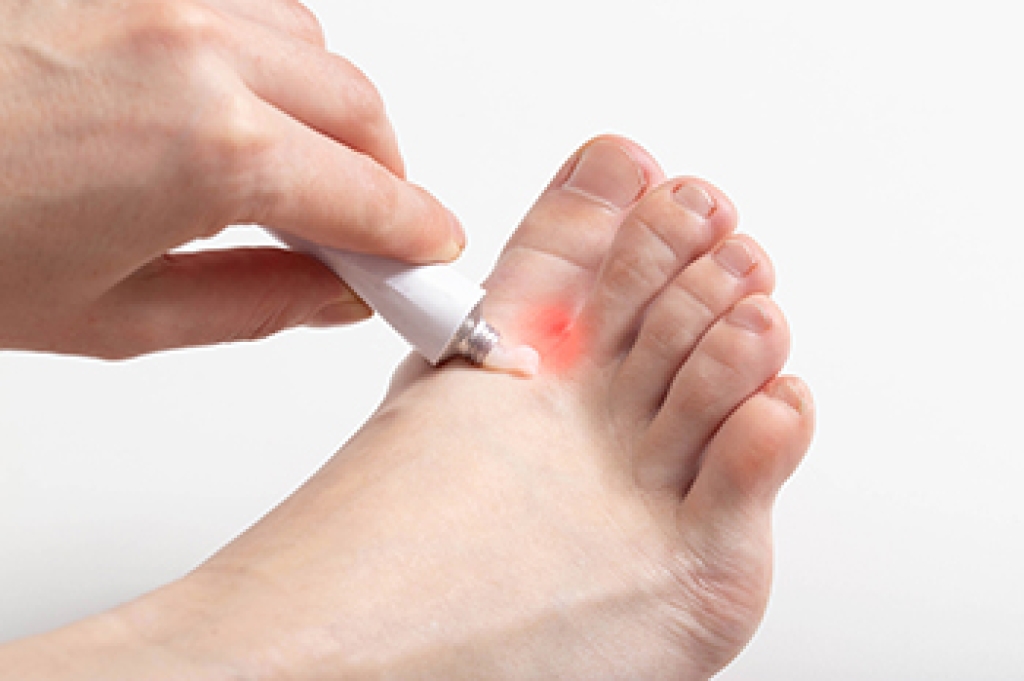
Athlete’s foot is a common fungal skin infection that affects the feet, especially between the toes. It thrives in warm, moist environments such as sweaty shoes, and public places like locker rooms and public showers. Symptoms may include itching, burning, redness, scaling, cracking, or peeling skin. Some cases cause painful fissures or blisters. Treatment focuses on eliminating the fungus and keeping skin dry. Topical antifungal medications are commonly effective, while more stubborn infections may require prescription therapy. Good hygiene, breathable footwear, and regular sock changes help prevent recurrence. Untreated infections can spread to nails or other skin areas. Chronic moisture exposure, wearing tight shoes, weakened immunity, and shared surfaces increase risk, making early treatment important for comfort, skin integrity, and overall foot health and mobility. If symptoms persist or worsen, it is suggested that you see a podiatrist for an accurate diagnosis and appropriate treatment.

Athlete’s foot is an inconvenient condition that can be easily reduced with the proper treatment. If you have any concerns about your feet and ankles, contact Peter Siroka, DPM from Connecticut.  Our doctor will treat your foot and ankle needs.

Athlete’s Foot: The Sole Story

Athlete's foot, also known as tinea pedis, can be an extremely contagious foot infection. It is commonly contracted in public changing areas and bathrooms, dormitory style living quarters, around locker rooms and public swimming pools, or anywhere your feet often come into contact with other people.

Solutions to Combat Athlete’s Foot

  • Hydrate your feet by using lotion
  • Exfoliate
  • Buff off nails
  • Use of anti-fungal products
  • Examine your feet and visit your doctor if any suspicious blisters or cuts develop

Athlete’s foot can cause many irritating symptoms such as dry and flaking skin, itching, and redness. Some more severe symptoms can include bleeding and cracked skin, intense itching and burning, and even pain when walking. In the worst cases, Athlete’s foot can cause blistering as well. Speak to your podiatrist for a better understanding of the different causes of Athlete’s foot, as well as help in determining which treatment options are best for you.

If you have any questions please feel free to contact our office located in Stamford, CT . We offer the newest diagnostic and treatment technologies for all your foot and ankle needs.

Read more about Athlete’s Foot

Explaining the Arches of the Foot

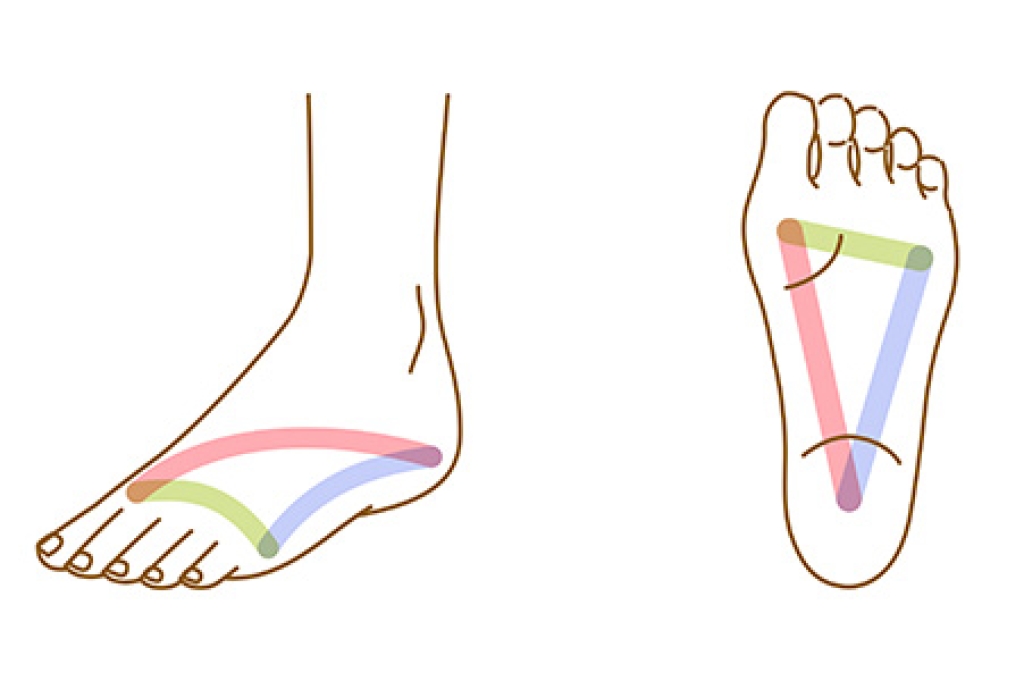
The arches of the foot act like a built-in support system that helps the body move efficiently. The three arches include a higher inner arch, a flatter outer arch, and an arch that runs across the ball of the foot. Together, they form a spring-like structure that carries body weight, absorbs impact, and returns energy with each step. Bones create the framework of the arches, while ligaments and tendons hold them together and allow controlled flexibility during walking and running. Problems develop when arches are too low or too high, which can place strain on the heel, mid-foot, or forefoot and change alignment. A podiatrist can evaluate arch structure, foot mechanics, and walking patterns, provide a diagnosis and treatment to reduce stress and restore balance. If you have pain in the arches of the feet, it is suggested that you make an appointment with a podiatrist for an exam, diagnosis, and treatment.

If you have any concerns about your feet, contact Peter Siroka, DPM from Connecticut. Our doctor can provide the care you need to keep you pain-free and on your feet.

Biomechanics in Podiatry

Podiatric biomechanics is a particular sector of specialty podiatry with licensed practitioners who are trained to diagnose and treat conditions affecting the foot, ankle and lower leg. Biomechanics deals with the forces that act against the body, causing an interference with the biological structures. It focuses on the movement of the ankle, the foot and the forces that interact with them.

A History of Biomechanics

  • Biomechanics dates back to the BC era in Egypt where evidence of professional foot care has been recorded.
  • In 1974, biomechanics gained a higher profile from the studies of Merton Root, who claimed that by changing or controlling the forces between the ankle and the foot, corrections or conditions could be implemented to gain strength and coordination in the area.

Modern technological improvements are based on past theories and therapeutic processes that provide a better understanding of podiatric concepts for biomechanics. Computers can provide accurate information about the forces and patterns of the feet and lower legs.

Understanding biomechanics of the feet can help improve and eliminate pain, stopping further stress to the foot.

If you have any questions please feel free to contact our office located in Stamford, CT . We offer the newest diagnostic and treatment technologies for all your foot and ankle needs.

Read more about Biomechanics in Podiatry

Connect With Us

scroll to top