
You don't need an excuse to have beautiful nails. Step outside without worrying about the appearance of your feet.
You don't need an excuse to have beautiful nails. Step outside without worrying about the appearance of your feet.

Gout is a type of inflammatory arthritis caused by the buildup of uric acid crystals in the joints, most commonly affecting the big toe. Uric acid, a waste product in the blood, typically dissolves and exits through urine. However, when the body produces too much or the kidneys fail to eliminate enough, it accumulates, forming sharp crystals that cause intense pain, redness, swelling, and warmth in the affected joint. This can lead to sudden, severe pain known as a gout flare-up. To manage gout, a podiatrist may prescribe anti-inflammatory medications, pain relievers, or drugs that reduce uric acid production. Lifestyle changes, like reducing alcohol intake, and limiting foods high in purines, such as red meat, seafood, and sugary drinks, in addition to staying hydrated, can help prevent flare-ups. For chronic cases, long-term medications may be prescribed to keep uric acid levels in check. If you have gout flare-ups, it is strongly suggested that you are under the care of a podiatrist who can help you to manage this painful condition.
Gout is a foot condition that requires certain treatment and care. If you are seeking treatment, contact Peter Siroka, DPM from Connecticut. Our doctor will treat your foot and ankle needs.
What Is Gout?
Gout is a type of arthritis caused by a buildup of uric acid in the bloodstream. It often develops in the foot, especially the big toe area, although it can manifest in other parts of the body as well. Gout can make walking and standing very painful and is especially common in diabetics and the obese.
People typically get gout because of a poor diet. Genetic predisposition is also a factor. The children of parents who have had gout frequently have a chance of developing it themselves.
Gout can easily be identified by redness and inflammation of the big toe and the surrounding areas of the foot. Other symptoms include extreme fatigue, joint pain, and running high fevers. Sometimes corticosteroid drugs can be prescribed to treat gout, but the best way to combat this disease is to get more exercise and eat a better diet.
If you have any questions, please feel free to contact our office located in Stamford, CT . We offer the newest diagnostic and treatment technologies for all your foot care needs.

Acute and chronic sports injuries are common among athletes and active individuals. Acute injuries occur suddenly during physical activity, often due to falls, collisions, or improper technique. Common examples include sprains, fractures, and muscle strains. Symptoms typically involve immediate pain, swelling, and an inability to use the affected area. In contrast, chronic injuries develop gradually over time, often due to repetitive stress on muscles and joints. Conditions such as tendinitis, bursitis, and stress fractures are common. Symptoms may include persistent pain, stiffness, and swelling that worsen with activity. Treatment for acute injuries usually includes rest and elevation. Chronic injuries often require a more comprehensive approach, including targeted exercises, activity modification, and sometimes medications or injections. If you are experiencing persistent pain or difficulty due to a sports injury, it is suggested that you schedule an appointment with a podiatrist for an accurate diagnosis and effective treatment tailored to your needs.
Sports related foot and ankle injuries require proper treatment before players can go back to their regular routines. For more information, contact Peter Siroka, DPM of Connecticut. Our doctor can provide the care you need to keep you pain-free and on your feet.
Sports Related Foot and Ankle Injuries
Foot and ankle injuries are a common occurrence when it comes to athletes of any sport. While many athletes dismiss the initial aches and pains, the truth is that ignoring potential foot and ankle injuries can lead to serious problems. As athletes continue to place pressure and strain the area further, a mild injury can turn into something as serious as a rupture and may lead to a permanent disability. There are many factors that contribute to sports related foot and ankle injuries, which include failure to warm up properly, not providing support or wearing bad footwear. Common injuries and conditions athletes face, including:
Sports related injuries are commonly treated using the RICE method. This includes rest, applying ice to the injured area, compression and elevating the ankle. More serious sprains and injuries may require surgery, which could include arthroscopic and reconstructive surgery. Rehabilitation and therapy may also be required in order to get any recovering athlete to become fully functional again. Any unusual aches and pains an athlete sustains must be evaluated by a licensed, reputable medical professional.
If you have any questions please contact our office located in Stamford, CT . We offer the newest diagnostic and treatment technologies for all your foot and ankle needs.

Radiating body pain that affects the feet can stem from several underlying conditions, often linked to nerve compression or musculoskeletal issues. Sciatica, for example, occurs when the sciatic nerve, which runs from the lower back down to the legs and feet, is compressed or irritated, causing sharp or burning pain that radiates to the feet. Herniated discs, spinal stenosis, or pinched nerves in the lower back can also trigger foot pain. Additionally, conditions like peripheral neuropathy, often seen in diabetic patients cause tingling, numbness, or burning sensations that start in the feet and may spread upwards. This type of pain can severely impact mobility and daily functioning, and treatment depends on the underlying cause. If you have foot pain without an obvious cause, it is suggested that you visit a podiatrist who can determine the underlying cause and provide appropriate treatment.
Foot Pain
Foot pain can be extremely painful and debilitating. If you have a foot pain, consult with Peter Siroka, DPM from Connecticut. Our doctor will assess your condition and provide you with quality foot and ankle treatment.
Causes
Foot pain is a very broad condition that could be caused by one or more ailments. The most common include:
Diagnosis
To figure out the cause of foot pain, podiatrists utilize several different methods. This can range from simple visual inspections and sensation tests to X-rays and MRI scans. Prior medical history, family medical history, and any recent physical traumatic events will all be taken into consideration for a proper diagnosis.
Treatment
Treatment depends upon the cause of the foot pain. Whether it is resting, staying off the foot, or having surgery; podiatrists have a number of treatment options available for foot pain.
If you have any questions, please feel free to contact our office located in Stamford, CT . We offer the newest diagnostic and treatment technologies for all your foot care needs.
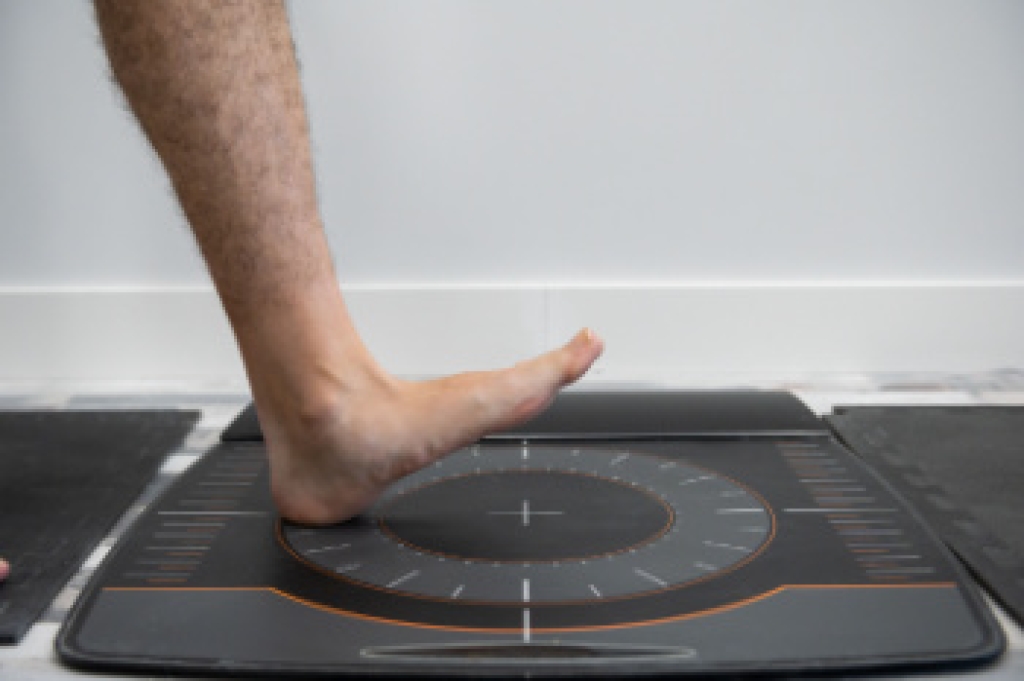
The ankle's movement and stability rely on bones, ligaments, and muscles working together. The main bones involved are the tibia, fibula, and talus. These form the ankle joint, which allows the foot to move up and down. Ligaments, like the deltoid, anterior talofibular, and calcaneofibular ligaments, help keep the ankle stable and control side-to-side movements. When we walk, the ankle flexes upwards when the heel touches the ground and pushes down as we lift the foot off. In cases of severe damage or arthritis, ankle replacement surgery may be needed, where the joint is replaced with artificial parts to restore movement. If you have ankle pain or discomfort, it is suggested that you schedule an appointment with a podiatrist who can diagnose the problem and recommend treatments to help you regain proper walking function and stability.
If you have any concerns about your feet, contact Peter Siroka, DPM from Connecticut. Our doctor can provide the care you need to keep you pain-free and on your feet.
Biomechanics in Podiatry
Podiatric biomechanics is a particular sector of specialty podiatry with licensed practitioners who are trained to diagnose and treat conditions affecting the foot, ankle and lower leg. Biomechanics deals with the forces that act against the body, causing an interference with the biological structures. It focuses on the movement of the ankle, the foot and the forces that interact with them.
A History of Biomechanics
Modern technological improvements are based on past theories and therapeutic processes that provide a better understanding of podiatric concepts for biomechanics. Computers can provide accurate information about the forces and patterns of the feet and lower legs.
Understanding biomechanics of the feet can help improve and eliminate pain, stopping further stress to the foot.
If you have any questions please feel free to contact our office located in Stamford, CT . We offer the newest diagnostic and treatment technologies for all your foot and ankle needs.
Connect With Us
