
Why In-Office Foot Surgery Can Be a Smart Choice

Many podiatric procedures can be performed safely and effectively right in the office, offering patients a more convenient experience. In-office surgeries often require only local anesthesia, which lowers risks associated with general anesthesia and allows for faster recovery. The familiar setting can reduce stress compared to a hospital environment, and scheduling is often more flexible, meaning shorter wait times for treatment. Procedures such as permanent correction of ingrown toenails, removal of soft tissue masses, or certain minor fracture repairs can often be managed on-site. Patients also benefit from lower costs, since hospital and facility fees are avoided. After the procedure, follow up care is provided in the same office where the relationship with the podiatrist is already established. If you are considering surgery for a foot or ankle condition, it is suggested that you consult a podiatrist to explore in-office options.

Foot surgery is sometimes necessary to treat a foot ailment. To learn more, contact Peter Siroka, DPM of Connecticut. Our doctor will assist you with all of your foot and ankle needs.

When Is Surgery Necessary?

Foot and ankle surgery is generally reserved for cases in which less invasive, conservative procedures have failed to alleviate the problem. Some of the cases in which surgery may be necessary include:

  • Removing foot deformities like bunions and bone spurs
  • Severe arthritis that has caused bone issues
  • Cosmetic reconstruction

What Types of Surgery Are There?

The type of surgery you receive will depend on the nature of the problem you have. Some of the possible surgeries include:

  • Bunionectomy for painful bunions
  • Surgical fusion for realignment of bones
  • Neuropathy decompression surgery to treat nerve damage

Benefits of Surgery

Although surgery is usually a last resort, it can provide more complete pain relief compared to non-surgical methods and may allow you to finally resume full activity.

Surgical techniques have also become increasingly sophisticated. Techniques like endoscopic surgery allow for smaller incisions and faster recovery times.

If you have any questions, please feel free to contact our office located in Stamford, CT . We offer the newest diagnostic and treatment technologies for all your foot care needs.

Read more about Foot Surgery

Wounds That Don't Heal Need to Be Checked

Your feet are covered most of the day. If you're diabetic, periodic screening is important for good health. Numbness is often a sign of diabetic foot and can mask a sore or wound.

Foot Friction Blisters and Prevention

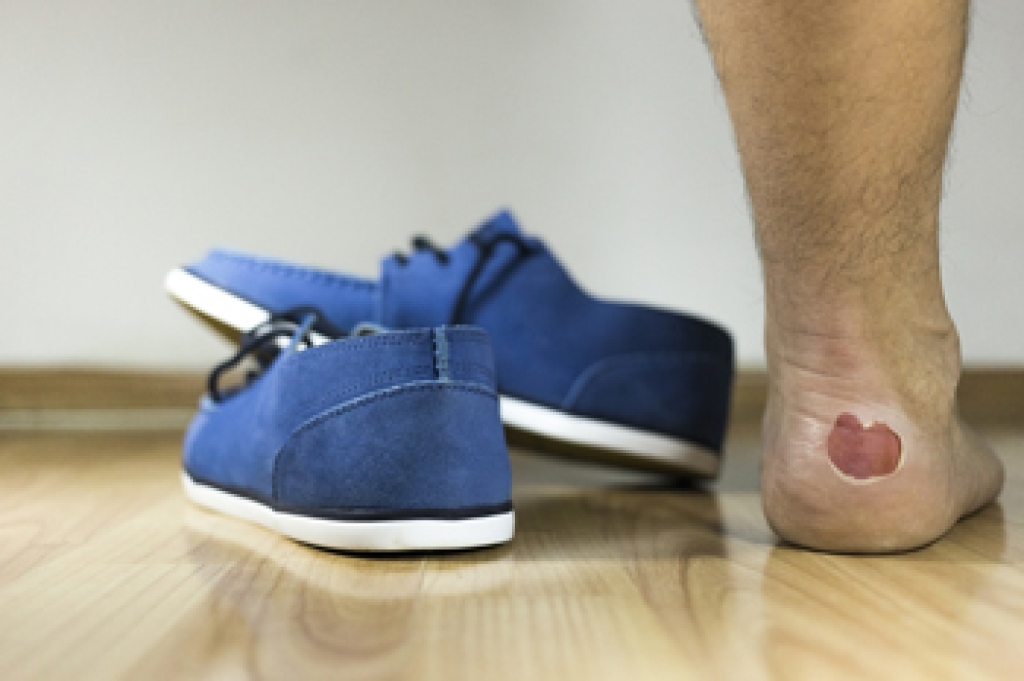
Foot friction blisters are small pockets of fluid that form when repetitive rubbing damages the top layer of the skin. They often appear on the toes, heels, or sides of the feet and can cause pain and discomfort. Risk factors include wearing ill-fitting shoes, excessive sweating, walking or running long distances, and new or stiff footwear. Prevention involves choosing shoes that fit properly, wearing moisture wicking socks, keeping feet dry, and using protective padding when needed. A podiatrist can provide safe and sterile treatment for painful or infected blisters and offer advice on footwear and skin care to reduce recurrence. If you struggle with frequent foot blisters, it is suggested that you contact a podiatrist who can offer relief and prevention strategies.

Blisters are prone to making everyday activities extremely uncomfortable. If your feet are hurting, contact Peter Siroka, DPM of Connecticut. Our doctor can provide the care you need to keep you pain-free and on your feet.

Foot Blisters

Foot blisters develop as a result of constantly wearing tight or ill-fitting footwear. This happens due to the constant rubbing from the shoe, which can often lead to pain.

What Are Foot Blisters?

A foot blister is a small fluid-filled pocket that forms on the upper-most layer of the skin. Blisters are filled with clear fluid and can lead to blood drainage or pus if the area becomes infected.

How Do Blisters Form?

Blisters on the feet are often the result of constant friction of skin and material, usually by shoe rubbing. Walking in sandals, boots, or shoes that don’t fit properly for long periods of time can result in a blister. Having consistent foot moisture and humidity can easily lead to blister formation.

Prevention & Treatment

It is important to properly care for the affected area in order to prevent infection and ease the pain. Do not lance the blister and use a Band-Aid to provide pain relief. Also, be sure to keep your feet dry and wear proper fitting shoes. If you see blood or pus in a blister, seek assistance from a podiatrist.

If you have any questions, please feel free to contact our office located in Stamford, CT . We offer the newest diagnostic and treatment technologies for all your foot care needs.
Read more about Blisters

Causes of Poor Foot Circulation

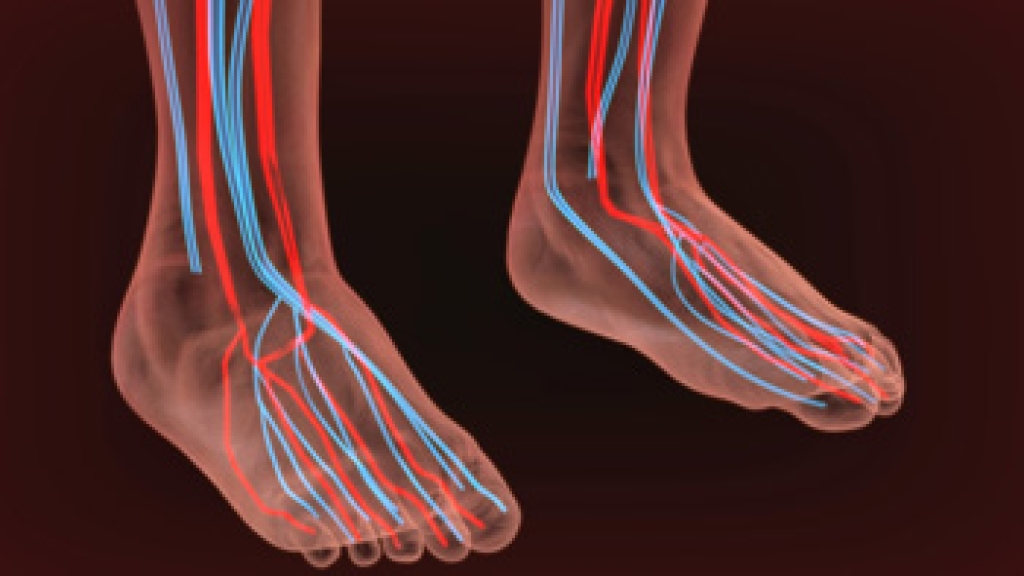
Poor circulation in the feet occurs when blood flow is reduced, preventing tissues from receiving enough oxygen and nutrients. This condition can lead to discomfort and complications, if left untreated. Causes include peripheral artery disease, diabetes, smoking, and sitting for long periods of time. Symptoms may involve numbness, tingling, cold feet, swelling, or slow healing wounds. Risk factors include age, high cholesterol, obesity, and a sedentary lifestyle. A podiatrist can evaluate circulation, identify underlying issues, and recommend treatments such as lifestyle changes, footwear guidance, or medical treatments to improve blood flow. If you are experiencing signs of poor circulation in your feet, it is suggested that you consult a podiatrist who can help you to manage this condition.

While poor circulation itself isn’t a condition; it is a symptom of another underlying health condition you may have. If you have any concerns with poor circulation in your feet contact Peter Siroka, DPM of Connecticut. Our doctor will treat your foot and ankle needs.

Poor Circulation in the Feet

Peripheral artery disease (PAD) can potentially lead to poor circulation in the lower extremities. PAD is a condition that causes the blood vessels and arteries to narrow. In a linked condition called atherosclerosis, the arteries stiffen up due to a buildup of plaque in the arteries and blood vessels. These two conditions can cause a decrease in the amount of blood that flows to your extremities, therefore resulting in pain.

Symptoms

Some of the most common symptoms of poor circulation are:

  • Numbness
  • Tingling
  • Throbbing or stinging pain in limbs
  • Pain
  • Muscle Cramps

Treatment for poor circulation often depends on the underlying condition that causes it. Methods for treatment may include insulin for diabetes, special exercise programs, surgery for varicose veins, or compression socks for swollen legs.

As always, see a podiatrist as he or she will assist in finding a regimen that suits you. A podiatrist can also prescribe you any needed medication. 

If you have any questions, please feel free to contact our office located in Stamford, CT . We offer the newest diagnostic and treatment technologies for all your foot care needs.

Read more about Causes, Symptoms, and Treatment of Poor Blood Circulation in the Feet

The Role of the Smaller Toes

The biomechanics of the foot involve a complex interaction of bones, muscles, and ligaments that support movement and stability. The smaller toes, although often overlooked, play an important role in gait and balance by helping to push the body forward and maintain stability during walking and standing. They contribute to even weight distribution and overall foot mechanics, reducing strain on other parts of the foot and lower limb. When the smaller toes are injured or misaligned, balance and movement efficiency can be affected. A podiatrist can assess foot biomechanics, identify problems, and recommend treatments or therapies to restore proper function. If you have foot pain, it is suggested that you seek expert care from this type of doctor who can treat various foot conditions.

If you have any concerns about your feet, contact Peter Siroka, DPM from Connecticut. Our doctor can provide the care you need to keep you pain-free and on your feet.

Biomechanics in Podiatry

Podiatric biomechanics is a particular sector of specialty podiatry with licensed practitioners who are trained to diagnose and treat conditions affecting the foot, ankle and lower leg. Biomechanics deals with the forces that act against the body, causing an interference with the biological structures. It focuses on the movement of the ankle, the foot and the forces that interact with them.

A History of Biomechanics

  • Biomechanics dates back to the BC era in Egypt where evidence of professional foot care has been recorded.
  • In 1974, biomechanics gained a higher profile from the studies of Merton Root, who claimed that by changing or controlling the forces between the ankle and the foot, corrections or conditions could be implemented to gain strength and coordination in the area.

Modern technological improvements are based on past theories and therapeutic processes that provide a better understanding of podiatric concepts for biomechanics. Computers can provide accurate information about the forces and patterns of the feet and lower legs.

Understanding biomechanics of the feet can help improve and eliminate pain, stopping further stress to the foot.

If you have any questions please feel free to contact our office located in Stamford, CT . We offer the newest diagnostic and treatment technologies for all your foot and ankle needs.

Read more about The Importance of Biomechanics in Podiatry

Connect With Us

scroll to top