Gardening Shoes for Healthy Feet

https://www.fieldandmoor.co.uk/blogs/news/the-benefits-of-good-quality-gardening-shoes-tending-your-land-in-comfort-and-style?srsltid=AfmBOorL19xH8SslUuVR8cHUAg2XKTUzB4kkTer6MzpqBVuz4-_FGWgp

Gardening shoes play a key role in keeping your feet safe and comfortable while you work outdoors. The best gardening shoes provide reliable comfort and support to reduce strain during long periods of standing, bending, and walking on uneven ground. Durability and protection are equally important, helping shield your feet from sharp tools, rocks, and moisture while withstanding regular outdoor wear. Versatility also matters, allowing the shoes to transition easily between tasks while still offering stability and traction. A podiatrist can recommend footwear that matches your foot structure and gardening needs, helping to prevent pain and injury. If your feet hurt while gardening, it is suggested that you consult a podiatrist who can offer effective relief tips, which may include guidance on wearing the right shoes.

While working on the feet, it is important to take the proper care of them. For more information about working on your feet, contact Peter Siroka, DPM from Connecticut. Our doctor will treat your foot and ankle needs.

Working on Your Feet

Standing on your feet for long periods of time can cause stress and pain in your feet. Your whole body may experience change in terms of posture, back pain, bunions, callouses and or plantar warts. There are ways to avoid these conditions with proper foot care, smart choices and correct posture.

Positive Changes

Negative heeled shoe – Choosing this shoe type places the heel slightly lower than the ball of the foot. These are great for overall foot health. Find shoes that fit you correctly.

Go barefoot – Our feet were not designed to be enclosed for all hours of the day. Try to periodically expose your feet to air.

Eliminate Pain

Foot Exercises – Performing simple exercises, incorporating yoga and doing stretches are beneficial. This will allow increased blood flow to the area and muscles of the foot.

Achilles tendon – Stretching the foot out flat on the floor will relax the calf muscles and tendon. These exercises can be performed almost anywhere. Make sure you add these exercises to your daily regimen. 

With a little bit of this information and knowing more about foot health, you will notice changes. Foot stretches and proper footwear will help with pain and prevent further issues.

If you have any questions please contact our office located in Stamford, CT . We offer the newest diagnostic and treatment technologies for all your foot and ankle needs.

Read more about Working on Your Feet

Understanding Ankle Sprains and Soft Tissue Injury

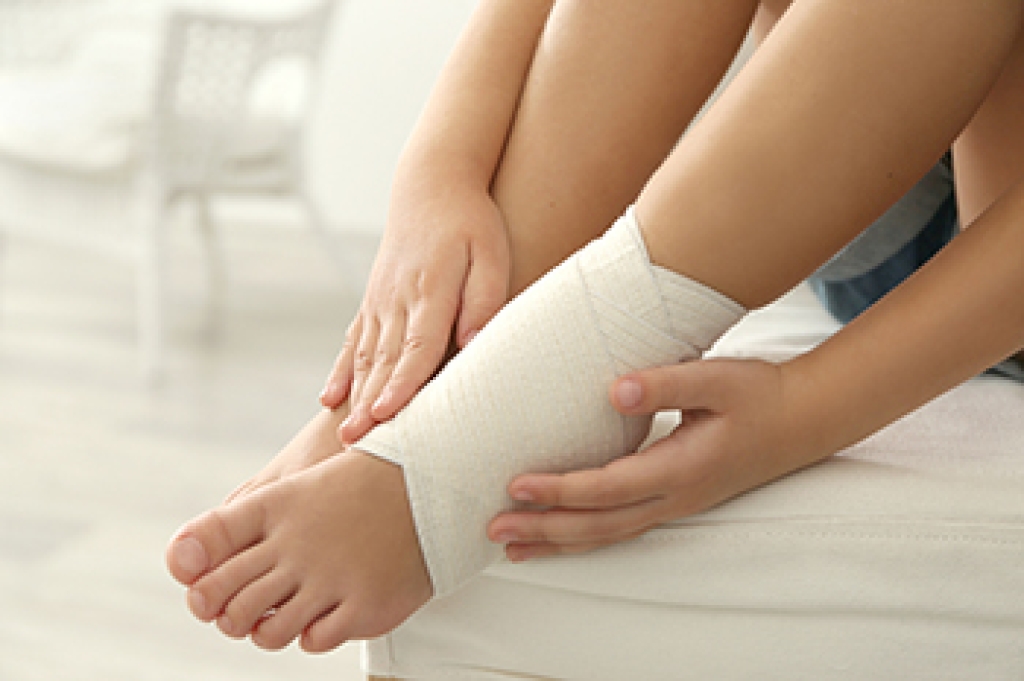
An ankle sprain occurs when the ligaments and soft tissues that support the ankle are stretched or torn, often due to a sudden twist, fall, or awkward step. Athletes, active individuals, and those wearing unstable footwear are more likely to experience this common injury. Symptoms include pain, swelling, bruising, and difficulty bearing weight. The ankle may appear swollen or discolored, and the area can feel tender, stiff, or unstable when walking. In some cases, a popping sound is heard at the moment of injury. A podiatrist can assess the severity of the sprain through physical examination and imaging, such as X-rays or ultrasound, to rule out fractures or deeper soft tissue damage. Treatment may include rest, supportive bracing, and rehabilitation exercises to restore strength and flexibility. If you suspect an ankle sprain, it is suggested that you make an appointment with a podiatrist to ensure proper healing and prevent chronic instability.

Although ankle sprains are common, they aren’t always minor injuries. If you need your ankle injury looked at, contact Peter Siroka, DPM from Connecticut. Our doctor can provide the care you need to keep you pain-free and on your feet.

How Does an Ankle Sprain Occur?

Ankle sprains are the result of a tear in the ligaments within the ankle. These injuries may happen when you make a rapid shifting movement while your foot is planted. A less common way to sprain your ankle is when your ankle rolls inward while your foot turns outward.

What Are the Symptoms?

  • Pain at the sight of the tear
  • Bruising/Swelling
  • Ankle area is tender to touch
  • In severe cases, may hear/feel something tear
  • Skin discoloration

Preventing a Sprain

  • Wearing appropriate shoes for the occasion
  • Stretching before exercises and sports
  • Knowing your limits

Treatment of a Sprain

In many cases, the RICE method (Rest, Ice, Compression, and Elevate) is used to treat ankle sprains. However, you should see a podiatrist to see which treatment option would work best with your injury. In severe cases, surgery may be required.

It is important to ask your doctor about rehab options after you receive treatment for your injury. Stretching, strength training, and balance exercises may help the ankle heal while also preventing further injury.

If you have any questions, please feel free to contact our office located in Stamford, CT . We offer the newest diagnostic and treatment technologies for all your foot care needs.

Read more about Ankle Sprains

Ways Seniors Can Help Prevent Falling

Falls in older adults often stem from both internal factors, such as poor balance or weakened muscles, and external factors like shoes that lack adequate support. The feet play a central role in stability, especially among the senior population. Even minor problems like corns, calluses, or loss of sensation from neuropathy can affect balance. Ill-fitting shoes, slippery soles, or loose flip-flops increase the risk of slipping. Stiff or worn-down footwear can alter gait and make it harder to react to uneven surfaces. Regular foot exams are important to detect changes in joint flexibility, arch collapse, or reduced feeling in the toes, which can interfere with safe walking. A podiatrist can evaluate foot strength and structure, prescribe custom orthotic inserts for support, and recommend footwear that improves balance and traction. If you have fallen or are at risk for falling, it is suggested that you make an appointment with a podiatrist for an exam and guidance.

Preventing falls among the elderly is very important. If you are older and have fallen or fear that you are prone to falling, consult with Peter Siroka, DPM from Connecticut. Our doctor will assess your condition and provide you with quality advice and care.

Every 11 seconds, an elderly American is being treated in an emergency room for a fall related injury. Falls are the leading cause of head and hip injuries for those 65 and older. Due to decreases in strength, balance, senses, and lack of awareness, elderly persons are very susceptible to falling. Thankfully, there are a number of things older persons can do to prevent falls.

How to Prevent Falls

Some effective methods that older persons can do to prevent falls include:

  • Enrolling in strength and balance exercise program to increase balance and strength
  • Periodically having your sight and hearing checked
  • Discuss any medications you have with a doctor to see if it increases the risk of falling
  • Clearing the house of falling hazards and installing devices like grab bars and railings
  • Utilizing a walker or cane
  • Wearing shoes that provide good support and cushioning
  • Talking to family members about falling and increasing awareness

Falling can be a traumatic and embarrassing experience for elderly persons; this can make them less willing to leave the house, and less willing to talk to someone about their fears of falling. Doing such things, however, will increase the likelihood of tripping or losing one’s balance. Knowing the causes of falling and how to prevent them is the best way to mitigate the risk of serious injury.  

If you have any questions, please feel free to contact our office located in Stamford, CT . We offer the newest diagnostic and treatment technologies for all your foot care needs.

Read more about Falls Prevention

Neuropathy and Its Effects on the Feet

Neuropathy occurs when nerves become damaged, often affecting sensation and movement. In the feet, it can cause tingling, burning, numbness, or sharp pain that worsens over time. Common causes include diabetes, vitamin deficiencies, infections, and certain medications. Poor circulation, alcohol use, and metabolic disorders increase the likelihood of developing nerve damage. Over time, neuropathy can lead to balance issues and injuries that go unnoticed due to loss of feeling. A podiatrist can evaluate nerve function, identify underlying causes, and recommend treatments such as medication, therapy, or specialized footwear. If you are experiencing unusual sensations or pain in your feet, it is suggested that you schedule a visit with a podiatrist who can provide an accurate diagnosis and treatment.

Neuropathy

Neuropathy can be a potentially serious condition, especially if it is left undiagnosed. If you have any concerns that you may be experiencing nerve loss in your feet, consult with Peter Siroka, DPM from Connecticut. Our doctor will assess your condition and provide you with quality foot and ankle treatment for neuropathy.

What Is Neuropathy?

Neuropathy is a condition that leads to damage to the nerves in the body. Peripheral neuropathy, or neuropathy that affects your peripheral nervous system, usually occurs in the feet. Neuropathy can be triggered by a number of different causes. Such causes include diabetes, infections, cancers, disorders, and toxic substances.

Symptoms of Neuropathy Include:

  • Numbness
  • Sensation loss
  • Prickling and tingling sensations
  • Throbbing, freezing, burning pains
  • Muscle weakness

Those with diabetes are at serious risk due to being unable to feel an ulcer on their feet. Diabetics usually also suffer from poor blood circulation. This can lead to the wound not healing, infections occurring, and the limb may have to be amputated.

Treatment

To treat neuropathy in the foot, podiatrists will first diagnose the cause of the neuropathy. Figuring out the underlying cause of the neuropathy will allow the podiatrist to prescribe the best treatment, whether it be caused by diabetes, toxic substance exposure, infection, etc. If the nerve has not died, then it’s possible that sensation may be able to return to the foot.

Pain medication may be issued for pain. Electrical nerve stimulation can be used to stimulate nerves. If the neuropathy is caused from pressure on the nerves, then surgery may be necessary.

If you have any questions, please feel free to contact our office located in Stamford, CT . We offer the newest diagnostic and treatment technologies for all your foot care needs.

Read more about Neuropathy

Are You Suffering From Nerve Damage?

Neuropathy is a condition that can lead to numbness or loss of sensation in the feet, but it can also cause pain. This condition is more likely to develop for those who are diabetic, obese, or with high blood pressure.

Understanding Plantar Fascial Disorders

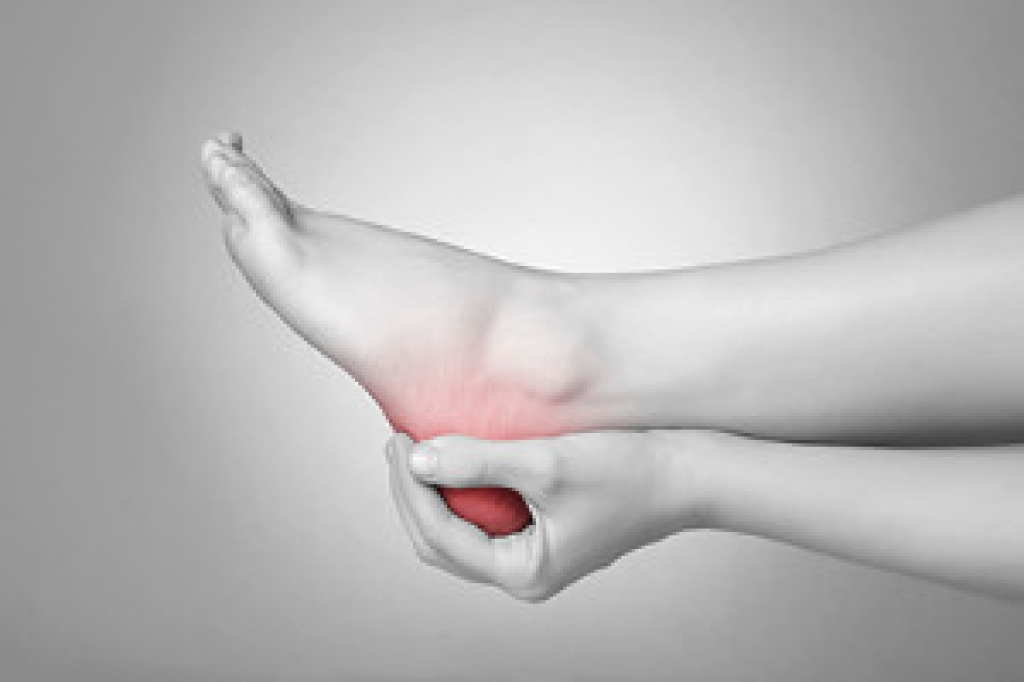
Plantar fascial disorders include two common conditions, plantar fasciitis and plantar fibromatosis. Plantar fasciitis occurs when the thick band of tissue on the bottom of the foot becomes inflamed, causing sharp heel pain, especially with the first steps in the morning. Plantar fibromatosis involves the growth of firm nodules within the same tissue, leading to discomfort or lumps along the arch. Both conditions may have possible genetic variants that increase susceptibility to tissue changes or inflammation. A podiatrist can diagnose these disorders through an examination and imaging tests, provide stretching programs, custom orthotics, and advanced therapies to reduce pain and improve mobility. If you have heel pain, it is suggested that you consult a podiatrist for an expert diagnosis and individualized treatment plan.

Many people suffer from bouts of heel pain. For more information, contact Peter Siroka, DPM of Connecticut. Our doctor can provide the care you need to keep you pain-free and on your feet.

Causes of Heel Pain

Heel pain is often associated with plantar fasciitis. The plantar fascia is a band of tissues that extends along the bottom of the foot. A rip or tear in this ligament can cause inflammation of the tissue.

Achilles tendonitis is another cause of heel pain. Inflammation of the Achilles tendon will cause pain from fractures and muscle tearing. Lack of flexibility is also another symptom.

Heel spurs are another cause of pain. When the tissues of the plantar fascia undergo a great deal of stress, it can lead to ligament separation from the heel bone, causing heel spurs.

Why Might Heel Pain Occur?

  • Wearing ill-fitting shoes                
  • Wearing non-supportive shoes
  • Weight change           
  • Excessive running

Treatments

Heel pain should be treated as soon as possible for immediate results. Keeping your feet in a stress-free environment will help. If you suffer from Achilles tendonitis or plantar fasciitis, applying ice will reduce the swelling. Stretching before an exercise like running will help the muscles. Using all these tips will help make heel pain a condition of the past.

If you have any questions, please feel free to contact our office located in Stamford, CT . We offer the newest diagnostic and treatment technologies for all your foot care needs.

Read more about Heel Pain

Retro Walking May Strengthen Your Feet

Walking backward on a treadmill, also known as retro walking, is a simple yet effective way to strengthen and stretch the feet and lower legs. To perform it safely, turn off the treadmill, hold the rails for balance, and step backward slowly while keeping your posture upright. This exercise helps improve balance, coordination, and flexibility while engaging muscles that are often underused during forward walking. It can also reduce strain on the knees and promote better foot alignment. A podiatrist can assess your gait, provide guidance on safe technique, and recommend exercises to support your foot health. If you have foot pain for any reason, it is suggested that you consult a podiatrist who can treat various foot conditions, and inform you on additional health benefits of enhancing strength and stability by retro walking.

Exercising your feet regularly with the proper foot wear is a great way to prevent injuries and build strength. If you have any concerns about your feet, contact Peter Siroka, DPM from Connecticut. Our doctor can provide the care you need to keep you pain-free and on your feet.

Exercise for Your Feet

Exercise for your feet can help you gain strength, mobility and flexibility in your feet. They say that strengthening your feet can be just as rewarding as strengthening another part of the body. Your feet are very important, and we often forget about them in our daily tasks. But it is because of our feet that are we able to get going and do what we need to. For those of us fortunate enough to not have any foot problems, it is an important gesture to take care of them to ensure good health in the long run.

Some foot health exercises can include ankle pumps, tip-toeing, toe rises, lifting off the floor doing reps and sets, and flexing the toes. It is best to speak with Our doctor to determine an appropriate regimen for your needs. Everyone’s needs and bodies are different, and the activities required to maintain strength in the feet vary from individual to individual. 

Once you get into a routine of doing regular exercise, you may notice a difference in your feet and how strong they may become.

If you have any questions, please feel free to contact our office located in Stamford, CT . We offer the newest diagnostic and treatment technologies for all your foot care needs.

Read more about Exercise for Your Feet

Curled Toes May Indicate Hammertoe

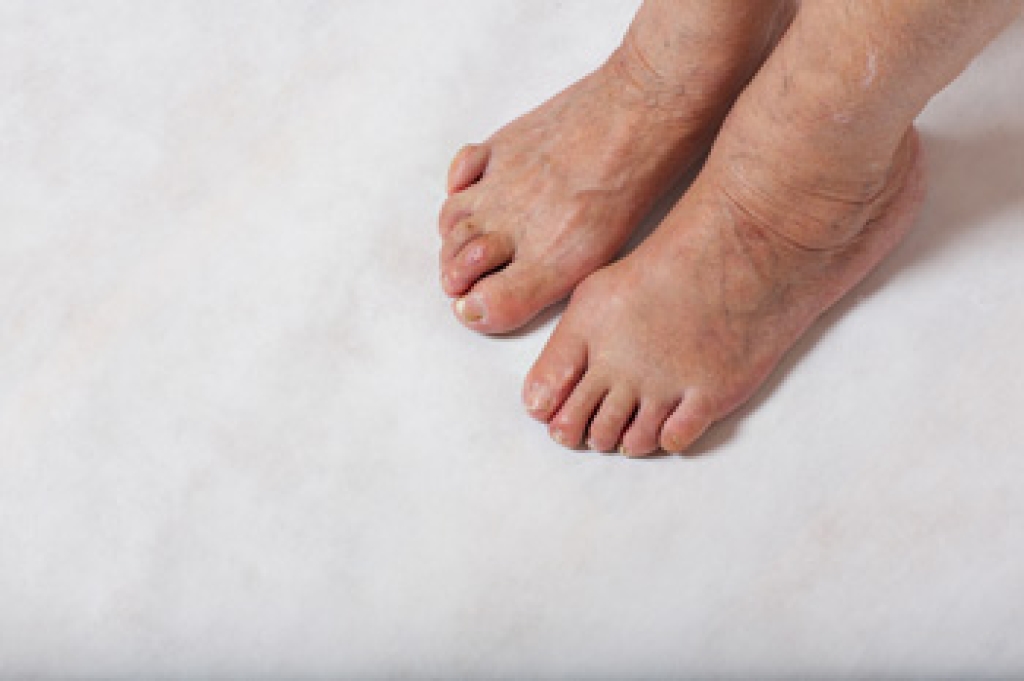
Hammertoe is a deformity that causes one or more toes to bend downward at the middle joint, resembling a hammer. It often affects the second, third, or fourth toe, and is usually caused by muscle imbalances, wearing tight footwear, trauma, or arthritis. Symptoms include pain, stiffness, and corns or calluses on the top of the toe. You may also experience redness, and difficulty wearing shoes. The affected toe may appear raised at the joint and may feel rigid or flexible depending on severity. Over time, the condition can worsen and lead to permanent deformity or open sores. A podiatrist can evaluate the structure of the toe through a physical exam and imaging tests to confirm the diagnosis. Treatment options vary depending on whether the hammertoe is flexible or rigid, and may include shoe modifications, padding, custom orthotics, or surgical correction, in advanced cases. It is suggested that you schedule an appointment with a podiatrist if you experience persistent toe discomfort or deformity.

Hammertoe

Hammertoes can be a painful condition to live with. For more information, contact Peter Siroka, DPM from Connecticut. Our doctor will answer any of your foot- and ankle-related questions.

Hammertoe is a foot deformity that affects the joints of the second, third, fourth, or fifth toes of your feet. It is a painful foot condition in which these toes curl and arch up, which can often lead to pain when wearing footwear.

Symptoms

  • Pain in the affected toes
  • Development of corns or calluses due to friction
  • Inflammation
  • Redness
  • Contracture of the toes

Causes

Genetics – People who are genetically predisposed to hammertoe are often more susceptible

Arthritis – Because arthritis affects the joints in your toes, further deformities stemming from arthritis can occur

Trauma – Direct trauma to the toes could potentially lead to hammertoe

Ill-fitting shoes – Undue pressure on the front of the toes from ill-fitting shoes can potentially lead to the development of hammertoe

Treatment

Orthotics – Custom made inserts can be used to help relieve pressure placed on the toes and therefore relieve some of the pain associated with it

Medications – Oral medications such as anti-inflammatories or NSAIDs could be used to treat the pain and inflammation hammertoes causes. Injections of corticosteroids are also sometimes used

Surgery – In more severe cases where the hammertoes have become more rigid, foot surgery is a potential option

If you have any questions, please feel free to contact our office located in Stamford, CT . We offer the newest diagnostic and treatment technologies for all your foot care needs.

Read more about What Are Hammertoes?

Understanding and Treating Heel Fissures

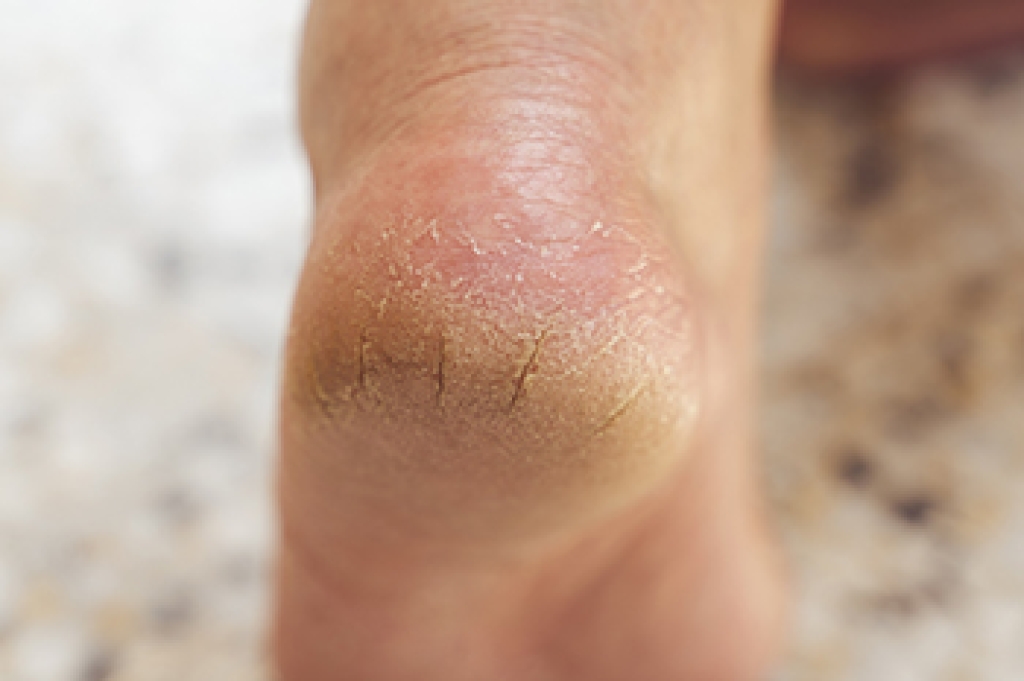
Heel fissures, or cracked heels, often occur when the skin on the feet becomes thick, dry, and less elastic. Over time, pressure from standing or walking causes the hardened layers to split, creating painful cracks that can bleed or become infected. Research into the structure of healthy and callused skin shows that excess keratin buildup reduces flexibility and traps moisture unevenly, leading to deeper fissures. Regular exfoliation and hydration help restore softness and prevent further damage. Applying urea-based or lactic acid creams softens thickened skin, while protective heel balms lock in moisture. In severe cases, debridement and professional podiatric care may be necessary to remove excess tissue and promote healing. Consistent foot care and wearing supportive shoes that reduce friction and pressure are key to keeping heels smooth, strong, and comfortable. If you are suffering with painful or chronic heel fissures, it is suggested that you see a podiatrist for expert care.

If the skin on your feet starts to crack, you may want to see a podiatrist to find treatment. If you have any concerns, contact Peter Siroka, DPM from Connecticut. Our doctor can provide the care you need to keep you pain-free and on your feet.

Cracked Heels

It is important to moisturize your cracked heels in order to prevent pain, bleeding, and infection. The reason cracked heels form is because the skin on the foot is too dry to support the immense pressure placed on them. When the foot expands, the dry skin on the foot begins to split.

Ways to Help Heal Them

  • Invest in a good foot cream
  • Try Using Petroleum Jelly
  • Ease up on Soaps
  • Drink Plenty of Water

Ways to Prevent Cracked Heels

  • Moisturize After Showering
  • Skip a Shower
  • Keep Shower Water Lukewarm
  • Don’t Scrub Your Feet

If you are unsure how to proceed in treating cracked heels, seek guidance from a podiatrist. Your doctor will help you with any questions or information you may need. 

If you have any questions, please feel free to contact our office located in Stamford, CT . We offer the newest diagnostic and treatment technologies for all your foot care needs.

Read more about Solutions for Cracked Heels

Let the Expert Treat Your Ingrown Toenails

Ingrown toenails can be painful and can make wearing shoes or walking uncomfortable. Seek professional help if you believe you've developed an ingrown toenail and be treated safely. 

Connect With Us

scroll to top