
Definition and Causes of High Ankle Sprains

A high ankle sprain, also known as a syndesmotic sprain, occurs when the ligaments connecting the two lower leg bones, the tibia and fibula, are stretched or torn. Unlike traditional ankle sprains, which typically involve the ligaments on the outer side of the ankle, high ankle sprains affect the ligaments above the ankle joint, near the shin. These injuries often result from sudden twisting or rotational movements of the foot, such as those experienced during sports activities like football, basketball, or skiing. Additionally, direct blows to the lower leg or excessive force applied to the ankle can also cause high ankle sprains. Athletes and individuals with poor balance, weak ankle muscles, or previous ankle injuries are at higher risk of experiencing high ankle sprains. If you have sprained your ankle, it is suggested that you seek the advice of a podiatrist who can determine what type of sprain it is, and offer appropriate treatment solutions.

Ankle sprains are common but need immediate attention. If you need your feet checked, contact Peter Siroka, DPM from Connecticut. Our doctor can provide the care you need to keep you pain-free and on your feet.

How Does an Ankle Sprain Occur?

Ankle sprains take place when the ligaments in your ankle are torn or stretched beyond their limits. There are multiple ways that the ankle can become injured, including twisting or rolling over onto your ankle, putting undue stress on it, or causing trauma to the ankle itself.

What Are the Symptoms?

  • Mild to moderate bruising
  • Limited mobility
  • Swelling
  • Discoloration of the skin (depending on severity)

Preventing a Sprain

  • Wearing appropriate shoes for the occasion
  • Stretching before exercises and sports
  • Knowing your limits

Treatment of a Sprain

Treatment of a sprain depends on the severity.  Many times, people are told to rest and remain off their feet completely, while others are given an air cast. If the sprain is very severe, surgery may be required.

If you have suffered an ankle sprain previously, you may want to consider additional support such as a brace and regular exercises to strengthen the ankle.

If you have any questions please feel free to contact our office located in Stamford, CT . We offer the newest diagnostic tools and technology to treat your foot and ankle needs.

Read more about Ankle Sprains

Common Classifications of Ankle Fractures

Ankle fractures often result from trauma or sudden twists during activities like sports or falls. These fractures are classified based on the location and severity of the break, aiding medical professionals in determining the most appropriate treatment. One common classification system divides ankle fractures into three main categories, which are lateral malleolus fractures, medial malleolus fractures, and posterior malleolus fractures. Lateral malleolus fractures involve the outer bone of the ankle, known as the fibula, and typically occur from rolling the ankle outward. Medial malleolus fractures affect the inner bone of the ankle, called the tibia, and result from inward rolling of the ankle. Posterior malleolus fractures involve the back of the tibia near the ankle joint and are often associated with high-energy injuries. If you have fractured your ankle, it is suggested that you confer with a podiatrist who can effectively diagnose and treat this condition.

Broken ankles need immediate treatment. If you are seeking treatment, contact Peter Siroka, DPM from Connecticut. Our doctor can provide the care you need to keep you pain-free and on your feet. 

Broken Ankles
A broken ankle is experienced when a person fractures their tibia or fibula in the lower leg and ankle area. Both of these bones are attached at the bottom of the leg and combine to form what we know to be our ankle.

When a physician is referring to a break of the ankle, he or she is usually referring to a break in the area where the tibia and fibula are joined to create our ankle joint. Ankles are more prone to fractures because the ankle is an area that suffers a lot of pressure and stress. There are some obvious signs when a person experiences a fractured ankle, and the following symptoms may be present.

Symptoms of a Fractured Ankle

  • Excessive pain when the area is touched or when any pressure is placed on the ankle
  • Swelling around the area
  • Bruising of the area
  • Area appears to be deformed

If you suspect an ankle fracture, it is recommended to seek treatment as soon as possible. The sooner you have your podiatrist diagnose the fracture, the quicker you’ll be on the way towards recovery.

If you have any questions, please feel free to contact our office located in Stamford, CT . We offer the newest diagnostic and treatment technologies for all your foot care needs.

Read more about All About Broken Ankle

Key Facts About Bunions

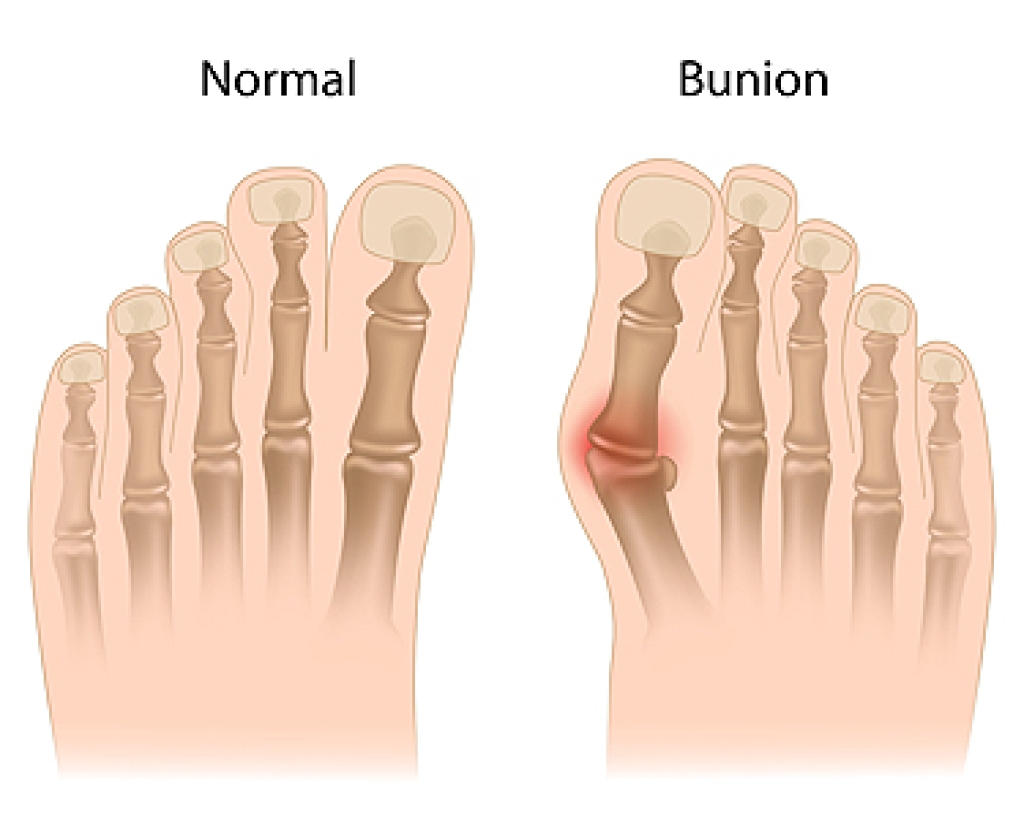
Bunions, a prevalent foot deformity, are characterized by a bony bump that forms at the base of the big toe. Contrary to common belief, bunions are not merely a cosmetic issue but can cause discomfort and affect mobility. One essential fact about bunions is their tendency to develop gradually over time, often due to structural issues in the foot, such as flat feet or abnormal bone alignment. Additionally, wearing ill-fitting shoes, particularly those with narrow toe boxes, can exacerbate bunion development or worsen existing symptoms. Individuals with bunions may experience pain, swelling, redness, and restricted movement in the affected toe. Despite popular misconceptions, bunions cannot be permanently corrected through nonsurgical means. However, conservative measures such as wearing supportive footwear, and using orthotic inserts can help alleviate symptoms and slow the progression of the deformity. For severe cases causing significant pain or hindering daily activities, surgical intervention may be necessary to realign the affected joint and provide lasting relief from bunions. If you have a bunion, it is suggested that you are under the care of a podiatrist who can help you to manage this condition.

If you are suffering from bunions, contact Peter Siroka, DPM of Connecticut. Our doctor can provide the care you need to keep you pain-free and on your feet.

What Is a Bunion?

A bunion is formed of swollen tissue or an enlargement of boney growth, usually located at the base joint of the toe that connects to the foot. The swelling occurs due to the bones in the big toe shifting inward, which impacts the other toes of the foot. This causes the area around the base of the big toe to become inflamed and painful.

Why Do Bunions Form?

Genetics – Susceptibility to bunions are often hereditary

Stress on the feet – Poorly fitted and uncomfortable footwear that places stress on feet, such as heels, can worsen existing bunions

How Are Bunions Diagnosed?

Podiatrists often perform two tests – blood tests and x-rays – when trying to diagnose bunions, especially in the early stages of development. Blood tests help determine if the foot pain is being caused by something else, such as arthritis, while x-rays provide a clear picture of your bone structure to your provider.

How Are Bunions Treated?

  • Refrain from wearing heels or similar shoes that cause discomfort
  • Select wider shoes that can provide more comfort and reduce pain
  • Anti-inflammatory and pain management drugs
  • Orthotics or foot inserts
  • Surgery

If you have any questions, please feel free to contact our office located in Stamford, CT . We offer the newest diagnostic and treatment technologies for all your foot care needs.

Read more about Bunions

Understanding Corns and Their Causes

Corns, a common foot ailment, refer to thickened areas of skin that develop in response to pressure or friction. These small, round, or cone-shaped growths typically form on the toes or feet, causing discomfort and pain. The two primary types of corns are hard corns and soft corns. Hard corns, also known as heloma durum, form on dry, firm areas of skin, often on the tops or sides of toes. Soft corns, or heloma molle, develop between the toes where the skin is moist, appearing white and rubbery. Corns develop as a protective mechanism against repeated pressure or friction, commonly caused by wearing ill-fitting shoes, high heels, or excessive walking or running. Additionally, foot deformities like bunions or hammertoes can contribute to corn formation. Understanding the medical terminology associated with corns and their underlying causes is essential for effective treatment and prevention strategies. Corns on the feet can be painful. If you have developed this foot condition, it is suggested that you visit a podiatrist who can offer you effective relief techniques.

Corns can make walking very painful and should be treated immediately. If you have questions regarding your feet and ankles, contact Peter Siroka, DPM of Connecticut. Our doctor will treat your foot and ankle needs.

Corns: What Are They? And How Do You Get Rid of Them?
Corns are thickened areas on the skin that can become painful. They are caused by excessive pressure and friction on the skin. Corns press into the deeper layers of the skin and are usually round in shape.

Ways to Prevent Corns
There are many ways to get rid of painful corns such as:

  • Wearing properly fitting shoes that have been measured by a professional
  • Wearing shoes that are not sharply pointed or have high heels
  • Wearing only shoes that offer support

Treating Corns

Although most corns slowly disappear when the friction or pressure stops, this isn’t always the case. Consult with your podiatrist to determine the best treatment option for your case of corns.

If you have any questions, please feel free to contact our office located in Stamford, CT . We offer the newest diagnostic and treatment technologies for all your foot care needs.

Read more about Corns and Calluses

Connect With Us

scroll to top