
What Is Achilles Tendinopathy?

Achilles tendinopathy causes pain and swelling in the Achilles tendon, which connects the calf muscles to the heel bone. It typically arises from repetitive stress or overuse and is often seen in athletes and active individuals. Symptoms include a dull, aching pain along the tendon, which may worsen with activity and improve with rest. Treatment for Achilles tendinopathy usually begins with rest which can help reduce inflammation and discomfort. Stretching and strengthening exercises, particularly those focusing on the calf muscles and Achilles tendon, are important for recovery. Additionally, modifying activity levels and wearing supportive footwear or orthotic inserts can prevent further strain on the tendon. For a thorough diagnosis of Achilles tendinopathy and a personalized treatment plan, it’s suggested you make an appointment with a podiatrist.

Achilles tendon injuries need immediate attention to avoid future complications. If you have any concerns, contact Peter Siroka, DPM of Connecticut. Our doctor can provide the care you need to keep you pain-free and on your feet.

What Is the Achilles Tendon?

The Achilles tendon is a tendon that connects the lower leg muscles and calf to the heel of the foot. It is the strongest tendon in the human body and is essential for making movement possible. Because this tendon is such an integral part of the body, any injuries to it can create immense difficulties and should immediately be presented to a doctor.

What Are the Symptoms of an Achilles Tendon Injury?

There are various types of injuries that can affect the Achilles tendon. The two most common injuries are Achilles tendinitis and ruptures of the tendon.

Achilles Tendinitis Symptoms

  • Inflammation
  • Dull to severe pain
  • Increased blood flow to the tendon
  • Thickening of the tendon

Rupture Symptoms

  • Extreme pain and swelling in the foot
  • Total immobility

Treatment and Prevention

Achilles tendon injuries are diagnosed by a thorough physical evaluation, which can include an MRI. Treatment involves rest, physical therapy, and in some cases, surgery. However, various preventative measures can be taken to avoid these injuries, such as:

  • Thorough stretching of the tendon before and after exercise
  • Strengthening exercises like calf raises, squats, leg curls, leg extensions, leg raises, lunges, and leg presses

If you have any questions please feel free to contact our office located in Stamford, CT . We offer the newest diagnostic tools and technology to treat your foot and ankle needs.

Read more about Achilles Tendon Injuries

Ingrown Toenail Pain

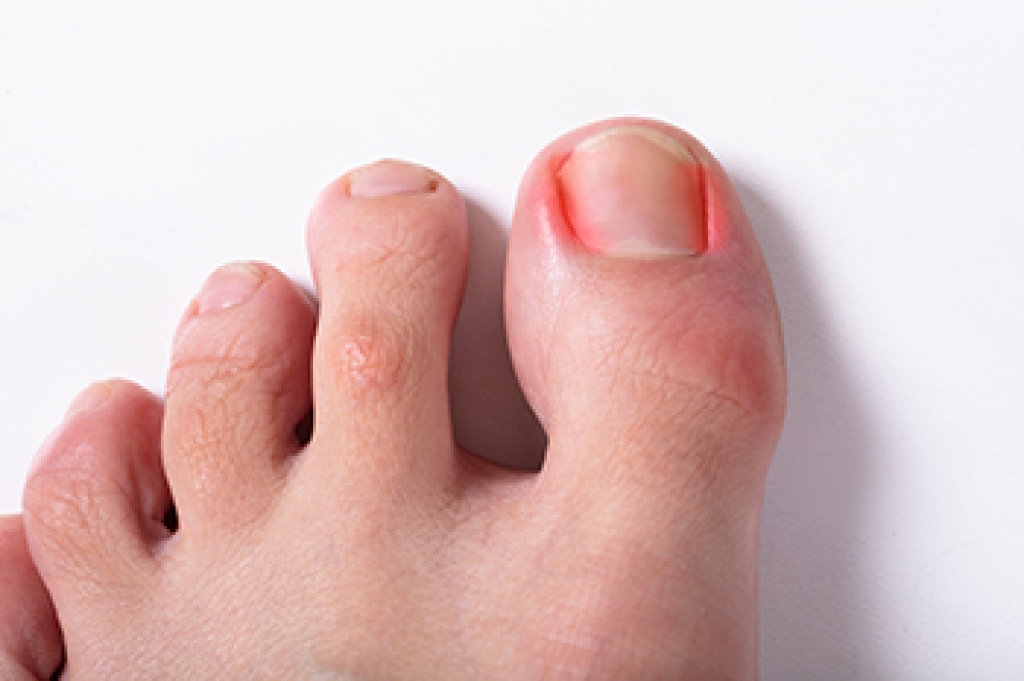
Ingrown toenails occur when the edge of a toenail grows into the surrounding skin, leading to pain, redness or swelling, and sometimes infection. This condition is commonly caused by improper nail trimming, tight shoes, or toenail injuries. Initial treatment often includes soaking the foot in warm, soapy water to reduce inflammation and alleviate discomfort. Applying an over-the-counter antibiotic ointment and keeping the area clean can help manage infection. For more severe cases, a podiatrist might need to trim or remove part of the toenail and possibly prescribe medication to address infection or pain. To prevent future ingrown toenails, it’s important to cut toenails straight across and wear well-fitting shoes. Persistent or recurring ingrown toenails should be evaluated by a podiatrist. They can provide specialized care to relieve pain, treat infections, and offer advice on preventing future issues. If you have a problematic ingrown toenail, it is suggested you make an appointment with a podiatrist.

Ingrown toenails may initially present themselves as a minor discomfort, but they may progress into an infection in the skin without proper treatment. For more information about ingrown toenails, contact Peter Siroka, DPM of Connecticut. Our doctor can provide the care you need to keep you pain-free and on your feet.

Ingrown Toenails

Ingrown toenails are caused when the corner or side of a toenail grows into the soft flesh surrounding it. They often result in redness, swelling, pain, and in some cases, infection. This condition typically affects the big toe and may recur if it is not treated properly.

Causes

  • Improper toenail trimming
  • Genetics
  • Improper shoe fitting
  • Injury from pedicures or nail picking
  • Abnormal gait
  • Poor hygiene

You are more likely to develop an ingrown toenail if you are obese, have diabetes, arthritis, or have any fungal infection in your nails. Additionally, people who have foot or toe deformities are at a higher risk of developing an ingrown toenail.

Symptoms

Some symptoms of ingrown toenails are redness, swelling, and pain. In rare cases, there may be a yellowish drainage coming from the nail.

Treatment

Ignoring an ingrown toenail can have serious complications. Infections of the nail border can progress to a deeper soft-tissue infection, which can then turn into a bone infection. You should always speak with your podiatrist if you suspect you have an ingrown toenail, especially if you have diabetes or poor circulation.

If you have any questions, please feel free to contact our office located in Stamford, CT . We offer the newest diagnostic and treatment technologies for all your foot care needs.

Read more about Ingrown Toenail Care

Diabetic Foot Problems

Diabetic foot problems are primarily due to poor circulation and nerve damage caused by high blood sugar levels. This can lead to reduced sensation in the feet, making injuries and infections less likely to be noticed. Common foot problems can include ulcers, infections, and poor wound healing, which can escalate if not addressed promptly. The primary causes of diabetic foot issues are neuropathy, which reduces feeling in the feet, and peripheral artery disease, or PAD, which impairs blood flow. This combination can lead to minor injuries becoming serious infections, as the body's ability to heal is compromised. To manage and prevent diabetic foot problems, daily foot inspections are important. Look for cuts, blisters, or swelling, and report any abnormalities to your podiatrist. Proper foot hygiene is key. Wash and dry your feet thoroughly, and keep your toenails trimmed and clean. Wearing well-fitting shoes that offer support and protection helps to prevent injuries. To address any diabetic foot problems, it is suggested that you are under the care of a podiatrist who can regularly monitor your foot health. 

Diabetic foot care is important in preventing foot ailments such as ulcers. If you are suffering from diabetes or have any other concerns about your feet, contact Peter Siroka, DPM from Connecticut. Our doctor can provide the care you need to keep you pain-free and on your feet.

Diabetic Foot Care

Diabetes affects millions of people every year. The condition can damage blood vessels in many parts of the body, especially the feet. Because of this, taking care of your feet is essential if you have diabetes, and having a podiatrist help monitor your foot health is highly recommended.

The Importance of Caring for Your Feet

  • Routinely inspect your feet for bruises or sores.
  • Wear socks that fit your feet comfortably.
  • Wear comfortable shoes that provide adequate support.

Patients with diabetes should have their doctor monitor their blood levels, as blood sugar levels play such a huge role in diabetic care. Monitoring these levels on a regular basis is highly advised.

It is always best to inform your healthcare professional of any concerns you may have regarding your feet, especially for diabetic patients. Early treatment and routine foot examinations are keys to maintaining proper health, especially because severe complications can arise if proper treatment is not applied.

If you have any questions, please feel free to contact our office located in Stamford, CT . We offer the newest diagnostic and treatment technologies for all your foot care needs.
Read more about Diabetic Foot Conditions

Raynaud’s Phenomenon

Raynaud's phenomenon is a condition characterized by episodic constriction of blood vessels, typically in response to cold or stress, leading to reduced blood flow. This condition affects the extremities, including the feet, causing them to turn white or blue, and feel cold and numb. As blood flow returns, they can throb, tingle, or turn red. To manage Raynaud's phenomenon in the feet, it is important to keep them warm and dry by wearing insulated, moisture-wicking socks and appropriate footwear. Stress reduction techniques and avoiding cold exposure can also help prevent episodes. If you experience pain from cold and numb feet, it is suggested that you schedule an appointment with a podiatrist to see if medications are needed.

Some foot conditions may require additional professional care. If you have any concerns, contact Peter Siroka, DPM of Connecticut. Our doctor can provide the care you need to keep you pain-free and on your feet.

Rare Foot Conditions

The majority of foot conditions are common and can be treated by a podiatrist.  Standard diagnostic procedures are generally used to identify specific conditions and treatment can be rendered. A podiatrist also treats rare foot conditions which can be difficult to diagnose and may need extra attention and care. 

There are many rare foot conditions that can affect children. Some of these can include:

  • Freiberg’s disease
  • Kohler’s disease
  • Maffucci syndrome

Freiberg’s disease - This can be seen as a deterioration and flattening of a metatarsal bone that exists in the ball of the foot. It typically affects pre-teen and teenage girls, but can affect anyone at any age. Symptoms that can accompany this can be swelling, stiffness, and the patient may limp. 

Kohler’s disease - This often targets the bone in the arch of the foot and affects younger boys. It can lead to an interruption of the blood supply which ultimately can lead to bone deterioration. The patient may limp or experience tenderness, swelling, and redness.

Maffucci syndrome - This affects the long bones in a child’s foot leading to the development of abnormal bone lesions. They are benign growths and typically develop in early childhood and the bones may be susceptible to breaking. 

A podiatrist can properly diagnose and treat all types of rare foot conditions. If your child is affected by any of these symptoms or conditions, please don’t hesitate to call our office so the correct treatment method can begin.

If you have any questions, please feel free to contact our office located in Stamford, CT . We offer the newest diagnostic and treatment technologies for all your foot care needs.

Read more about Rare Foot Conditions

Gout Pain Can Be Managed

Gout is a painful, inflammatory form of arthritis. Those affected will typically feel an intense stiffness in the joints of their feet, particularly in the big toe. Schedule a visit to learn about how gout can be managed and treated.

Connect With Us

scroll to top