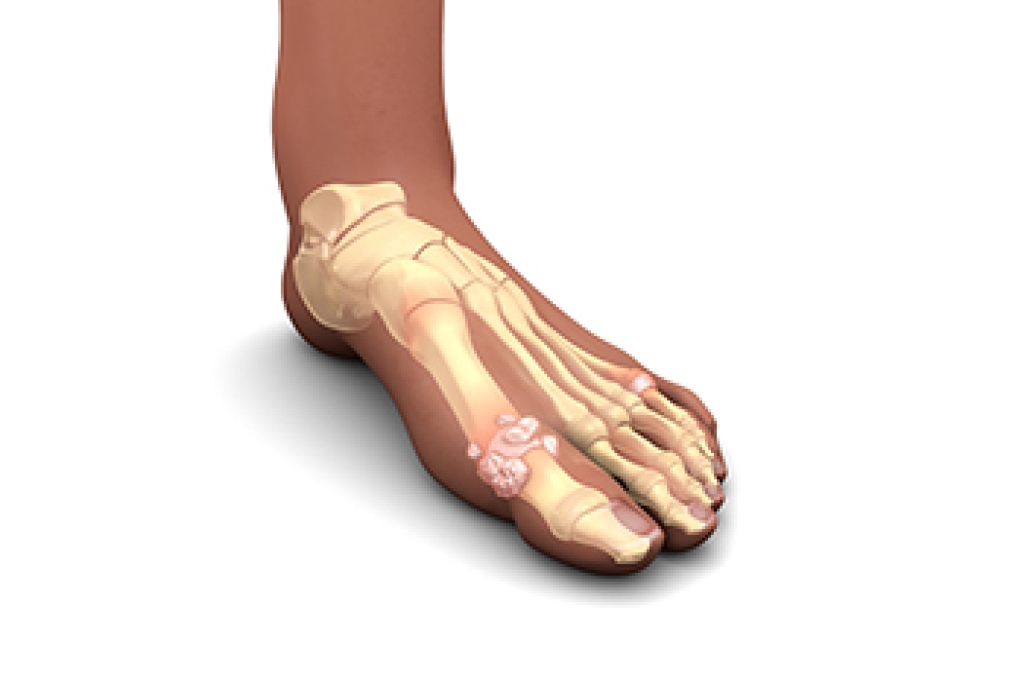
Causes of Gout and How It Is Diagnosed

Gout, a form of inflammatory arthritis, develops when there is an excess buildup of uric acid in the body, leading to the formation of needle-like crystals in the joints. The primary cause of gout lies in the body's inability to metabolize uric acid efficiently, resulting in its accumulation. Dietary factors, such as consuming purine-rich foods like organ meats and certain seafood contribute to elevated uric acid levels. Additionally, genetic predispositions and underlying health conditions, such as kidney dysfunction, may increase the risk of gout. Diagnosis involves a comprehensive examination by podiatrists, considering symptoms like sudden, intense joint pain, swelling, and redness. Blood tests may be conducted to measure uric acid levels, and imaging studies such as X-rays or ultrasound can aid in visualizing joint damage. If you have been afflicted with gout, it is strongly suggested that you are under the care of a podiatrist who can help you to successfully manage this condition.

Gout is a foot condition that requires certain treatment and care. If you are seeking treatment, contact Peter Siroka, DPM from Connecticut. Our doctor will treat your foot and ankle needs.

What Is Gout?

Gout is a type of arthritis caused by a buildup of uric acid in the bloodstream. It often develops in the foot, especially the big toe area, although it can manifest in other parts of the body as well. Gout can make walking and standing very painful and is especially common in diabetics and the obese.

People typically get gout because of a poor diet. Genetic predisposition is also a factor. The children of parents who have had gout frequently have a chance of developing it themselves.

Gout can easily be identified by redness and inflammation of the big toe and the surrounding areas of the foot. Other symptoms include extreme fatigue, joint pain, and running high fevers. Sometimes corticosteroid drugs can be prescribed to treat gout, but the best way to combat this disease is to get more exercise and eat a better diet.

If you have any questions, please feel free to contact our office located in Stamford, CT . We offer the newest diagnostic and treatment technologies for all your foot care needs.

Read more about Everything You Need to Know About Gout

How Is Hammertoe Diagnosed?

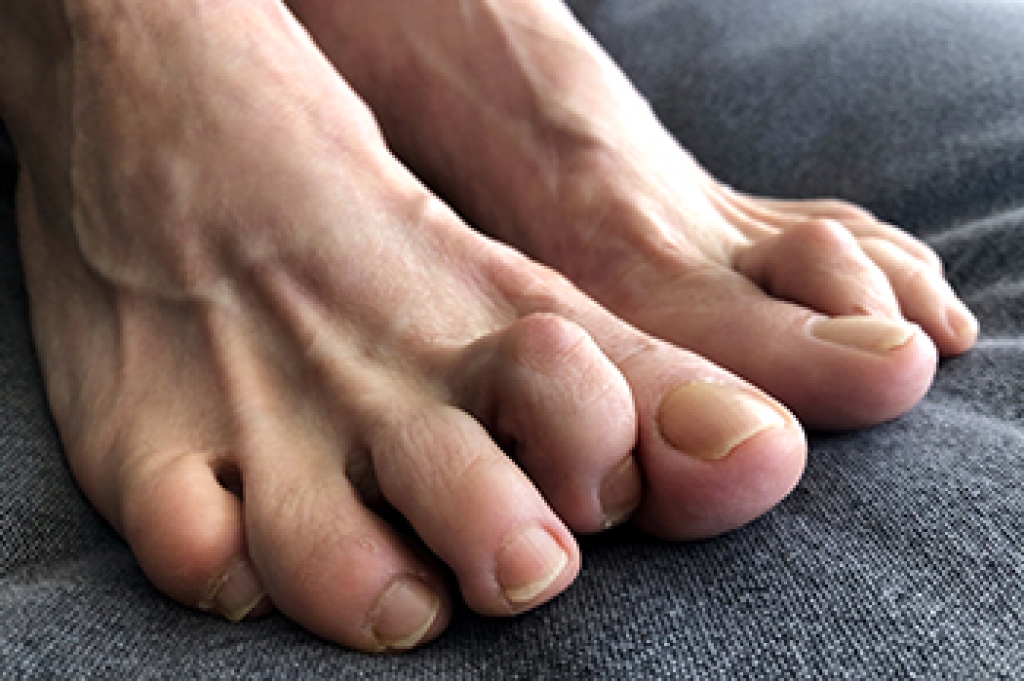
Hammertoe, a common toe deformity, occurs when there is an imbalance in the muscles, tendons, or ligaments responsible for keeping the toe straight. This leads to a bending or curling of the toe, resembling a hammer. Identifying hammertoe involves a comprehensive understanding of its characteristic symptoms, which include abnormal bending at the joints, corns or calluses due to friction against footwear, and discomfort during movement. Diagnosing hammertoe typically begins with a physical examination by a podiatrist who assesses the toe's appearance and mobility. An X-ray may be employed to determine the severity and underlying causes, such as arthritis or joint inflammation. Timely recognition allows for tailored interventions, ranging from lifestyle adjustments to surgical options, ensuring effective management and relief from the challenges posed by hammertoe. If you are afflicted with hammertoe, it is strongly suggested that you are under the care of a podiatrist who can determine the best course of treatment for you.

Hammertoes can be a painful condition to live with. For more information, contact Peter Siroka, DPM of Connecticut. Our doctor will answer any of your foot- and ankle-related questions.

Hammertoe

Hammertoe is a foot deformity that occurs due to an imbalance in the muscles, tendons, or ligaments that normally hold the toe straight. It can be caused by the type of shoes you wear, your foot structure, trauma, and certain disease processes.

Symptoms

  • Painful and/or difficult toe movement
  • Swelling
  • Joint stiffness
  • Calluses/Corns
  • Physical deformity

Risk Factors

  • Age – The risk of hammertoe increases with age
  • Sex – Women are more likely to have hammertoe compared to men
  • Toe Length – You are more likely to develop hammertoe if your second toe is longer than your big toe
  • Certain Diseases – Arthritis and diabetes may make you more likely to develop hammertoe

Treatment

If you have hammertoe, you should change into a more comfortable shoe that provides enough room for your toes. Exercises such as picking up marbles may strengthen and stretch your toe muscles. Nevertheless, it is important to seek assistance from a podiatrist in order to determine the severity of your hammertoe and see which treatment option will work best for you.

If you have any questions, please feel free to contact our office located in Stamford, CT . We offer the newest diagnostic and treatment technologies for all your foot care needs.

Read more about Hammertoe

Let the Expert Treat Your Ingrown Toenails

Ingrown toenails can be painful and can make wearing shoes or walking uncomfortable. Seek professional help if you believe you've developed an ingrown toenail and be treated safely. 

Managing Heel Fissures

Heel fissures, or cracked skin on the heels, develop when the feet lack adequate moisture. This can lead to the development of painful cracks and dry patches on the outer edge of the heels. While heel fissures are often perceived as a cosmetic concern, they can escalate into more serious health conditions, underscoring the importance of timely treatment. Common causes of heel fissures include wearing open-backed shoes, living in dry climates, walking barefoot, obesity, and having inactive sweat glands. In cases of persistent or severe fissures, seeking professional help from a podiatrist is suggested. Treatment measures can provide a comprehensive approach to alleviate discomfort and expedite the healing process. The danger of heel fissures is particularly important for diabetic people and patients with neuropathy and should not be ignored. If you have developed seriously cracked heels that are bleeding or may have become infected, it is suggested that you schedule an appointment with a podiatrist as quickly as possible for an exam and treatment. 

If the skin on your feet starts to crack, you may want to see a podiatrist to find treatment. If you have any concerns, contact Peter Siroka, DPM from Connecticut. Our doctor can provide the care you need to keep you pain-free and on your feet.

Cracked Heels

It is important to moisturize your cracked heels in order to prevent pain, bleeding, and infection. The reason cracked heels form is because the skin on the foot is too dry to support the immense pressure placed on them. When the foot expands, the dry skin on the foot begins to split.

Ways to Help Heal Them

  • Invest in a good foot cream
  • Try Using Petroleum Jelly
  • Ease up on Soaps
  • Drink Plenty of Water

Ways to Prevent Cracked Heels

  • Moisturize After Showering
  • Skip a Shower
  • Keep Shower Water Lukewarm
  • Don’t Scrub Your Feet

If you are unsure how to proceed in treating cracked heels, seek guidance from a podiatrist. Your doctor will help you with any questions or information you may need. 

If you have any questions, please feel free to contact our office located in Stamford, CT . We offer the newest diagnostic and treatment technologies for all your foot care needs.

Read more about Solutions for Cracked Heels

Foot Care Tips for Athletes

Ensuring your feet are in top shape is paramount for athletes who aim to maximize their performance. Here are a few tips that can help athletes avoid injuries. When selecting workout shoes, prioritize support, stability, and cushioning. Avoid wearing ill-fitting options that may look pretty but can cause discomfort, pain, and pressure. Take the time to try different types and sizes until you find the perfect pair. Enhance protection with blister prevention spray for added comfort during workouts. Socks are more than just an accessory. Choose moisture-wicking options to keep feet clean and dry, thus preventing exposure to fungus and bacteria. To prevent foot injuries, be mindful of overexertion and listen to your body's limits. Incorporate strengthening exercises like yoga or try toe stretchers for a relaxing foot yoga session. Proactively address foot pain with gentle stretches, warm-ups, and cool-downs. Maintain foot hygiene by washing and drying your feet daily, using cleansing towelettes, and spritzing with odor elimination spray pre- and post-workout. If you are experiencing foot or ankle problems related to sports or exercise, it is suggested that you schedule an appointment with a podiatrist.

All runners should take extra precaution when trying to avoid injury. If you have any concerns about your feet, contact Peter Siroka, DPM of Connecticut. Our doctor will treat your foot and ankle needs.

How to Prevent Running Injuries

There are a lot of mistakes a runner can make prior to a workout that can induce injury. A lot of athletes tend to overstretch before running, instead of saving those workouts for a post-run routine. Deep lunges and hand-to-toe hamstring pulls should be performed after a workout instead of during a warmup. Another common mistake is jumping into an intense routine before your body is physically prepared for it. You should try to ease your way into long-distance running instead of forcing yourself to rush into it.

More Tips for Preventing Injury

  • Incorporate Strength Training into Workouts - This will help improve the body’s overall athleticism
  • Improve and Maintain Your Flexibility – Stretching everyday will help improve overall performance
  • “Warm Up” Before Running and “Cool Down” Afterward – A warm up of 5-10 minutes helps get rid of lactic acid in the muscles and prevents delayed muscle soreness
  • Cross-Training is Crucial
  • Wear Proper Running Shoes
  • Have a Formal Gait Analysis – Poor biomechanics can easily cause injury

If you have any questions, please feel free to contact our office located in Stamford, CT . We offer the newest diagnostic and treatment technologies for all your foot care needs.
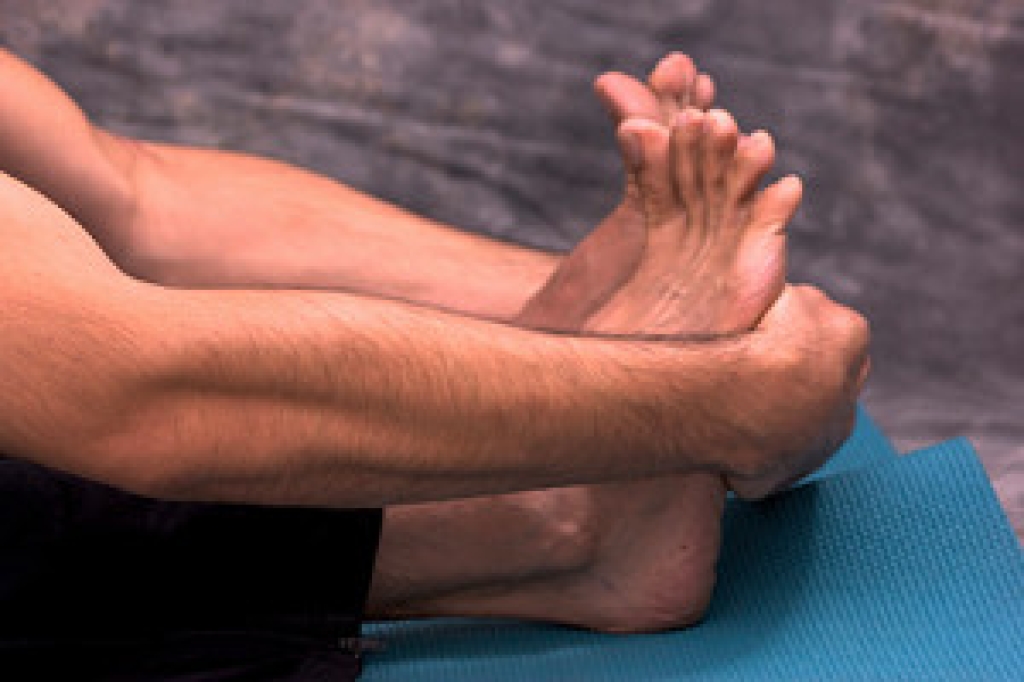
Read more about Preventing Running Injuries

Foot Stretching May Help to Maintain Flexibility

Cultivating flexibility in the feet is a fundamental, yet often overlooked, aspect of maintaining overall foot health and preventing injuries. Stretching the feet not only enhances their range of motion but also helps in strengthening the muscles and tendons, thereby reducing the risk of injuries. Incorporating regular foot stretches into one's routine can contribute to improved flexibility, aiding the foot's adaptability to various movements. Flexible feet are better equipped to absorb shock and distribute pressure evenly during activities, mitigating the strain on joints and reducing the likelihood of injuries, such as sprains or stress fractures. Stretching exercises also promote better circulation and alleviate muscle tightness, fostering a more resilient foundation for the entire body. For information on foot stretches and how to perform them, it is suggested that you confer with a podiatrist.

Stretching the feet is a great way to prevent injuries. If you have any concerns with your feet consult with Peter Siroka, DPM from Connecticut. Our doctor will assess your condition and provide you with quality foot and ankle treatment.

Stretching the Feet

Stretching the muscles in the foot is an important part in any physical activity. Feet that are tight can lead to less flexibility and make you more prone to injury. One of the most common forms of foot pain, plantar fasciitis, can be stretched out to help ease the pain. Stretching can not only ease pain from plantar fasciitis but also prevent it as well. However, it is important to see a podiatrist first if stretching is right for you. Podiatrists can also recommend other ways to stretch your feet. Once you know whether stretching is right for you, here are some excellent stretches you can do.

  • Using a foam roller or any cylindrical object (a water bottle or soda can will do), roll the object under your foot back and forth. You should also exert pressure on the object. Be sure to do this to both feet for a minute. Do this exercise three times each.
  • Similar to the previous one, take a ball, such as a tennis ball, and roll it under your foot while seated and exert pressure on it.
  • Grab a resistance band or towel and take a seat. If you are using a towel, fold it length wise. Next put either one between the ball of your foot and heel and pull with both hands on each side towards you. Hold this for 15 seconds and then switch feet. Do this three times for each foot.
  • Finally hold your big toe while crossing one leg over the other. Pull the toe towards you and hold for 15 seconds. Once again do this three times per foot.

It is best to go easy when first stretching your foot and work your way up. If your foot starts hurting, stop exercising and ice and rest the foot. It is advised to then see a podiatrist for help.

If you have any questions please contact our office located in Stamford, CT . We offer the newest diagnostic and treatment technologies for all your foot and ankle needs.

Read more about Stretching Your Feet

Diverse Causes of Foot Pain

Foot pain, a discomfort affecting individuals across various walks of life, can trace its roots to a multitude of causes. One common culprit is improper footwear, where shoes lacking proper support or fit can lead to a range of issues. Among them are corns and calluses as well as more severe conditions like plantar fasciitis. Strain and overuse, often associated with prolonged standing or engaging in high-impact activities, can contribute to fatigue and discomfort. Structural anomalies, including flat feet or high arches, may alter foot mechanics and induce pain. Injuries such as sprains, fractures, or ligament tears also play a role, necessitating attention and care. Additionally, arthritis and inflammatory conditions, along with systemic health issues like diabetes, may manifest in foot pain. If you are experiencing any type of foot pain, it is suggested that you visit a podiatrist who can pinpoint the cause and offer appropriate treatment options.

Foot Pain

Foot pain can be extremely painful and debilitating. If you have a foot pain, consult with Peter Siroka, DPM from Connecticut. Our doctor will assess your condition and provide you with quality foot and ankle treatment.

Causes

Foot pain is a very broad condition that could be caused by one or more ailments. The most common include:

  • Bunions
  • Hammertoes
  • Plantar Fasciitis
  • Bone Spurs
  • Corns
  • Tarsal Tunnel Syndrome
  • Ingrown Toenails
  • Arthritis (such as Gout, Rheumatoid, and Osteoarthritis)
  • Flat Feet
  • Injury (from stress fractures, broken toe, foot, ankle, Achilles tendon ruptures, and sprains)
  • And more

Diagnosis

To figure out the cause of foot pain, podiatrists utilize several different methods. This can range from simple visual inspections and sensation tests to X-rays and MRI scans. Prior medical history, family medical history, and any recent physical traumatic events will all be taken into consideration for a proper diagnosis.

Treatment

Treatment depends upon the cause of the foot pain. Whether it is resting, staying off the foot, or having surgery; podiatrists have a number of treatment options available for foot pain.

If you have any questions, please feel free to contact our office located in Stamford, CT . We offer the newest diagnostic and treatment technologies for all your foot care needs.
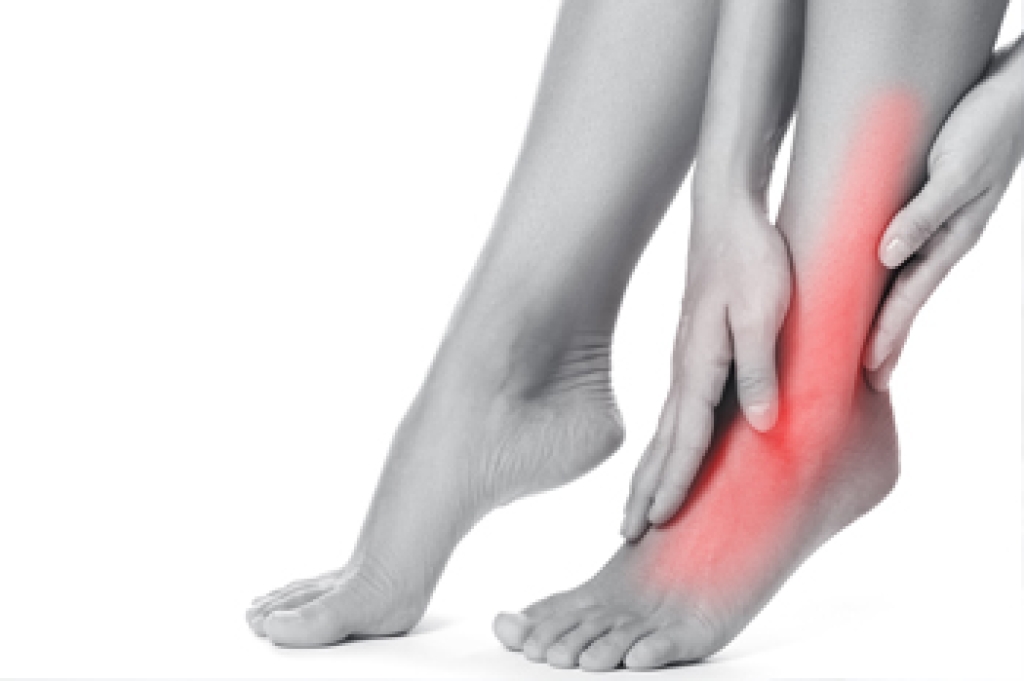
Read more about Foot Pain

How Corns Form from Wearing Ill-Fitting Shoes

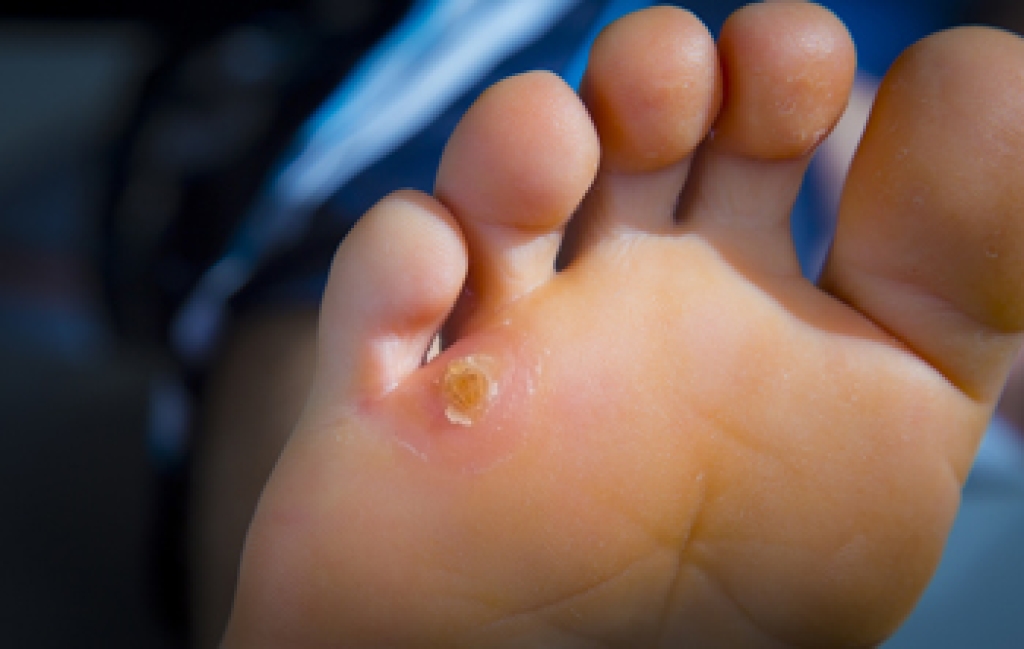
Corns, those pesky patches of thickened skin, often find their origins in the shoes we choose to wear. When footwear lacks proper fit or causes excessive friction and pressure on specific areas of the feet, corns can emerge as the body's response to this repetitive irritation. Wearing ill-fitting shoes, particularly those that squeeze the toes or feature high heels, can lead to the formation of corns as the skin attempts to protect itself from the persistent rubbing and pressure. These hardened areas of skin, often found on the toes or sides of the feet, can become painful over time. Choosing shoes with adequate space for toes, proper arch support, and a comfortable fit is essential in preventing corns. By understanding the relationship between shoe selection and corn formation, individuals can prioritize both style and foot health, ensuring a comfortable and corn-free walking experience. If you have developed a corn, it is suggested that you seek the counsel of a podiatrist who can effectively treat this condition, and offer you preventive methods for the future.

If you have any concerns regarding your feet and ankles, contact Peter Siroka, DPM of Connecticut. Our doctor will treat your foot and ankle needs.

Corns: What Are They? and How Do You Get Rid of Them?
Corns can be described as areas of the skin that have thickened to the point of becoming painful or irritating. They are often layers and layers of the skin that have become dry and rough, and are normally smaller than calluses.

Ways to Prevent Corns
There are many ways to get rid of painful corns such as wearing:

  • Well-fitting socks
  • Comfortable shoes that are not tight around your foot
  • Shoes that offer support

Treating Corns
Treatment of corns involves removing the dead skin that has built up in the specific area of the foot. Consult with Our doctor to determine the best treatment option for your case of corns.

If you have any questions, please feel free to contact our office located in Stamford, CT . We offer the newest diagnostic and treatment technologies for all your foot care needs.
Read more about Understanding Corns and Calluses

Let Us Treat Your Feet This Winter

Take extra care when walking on snow and ice. If you experience a fall and sustain an injury, we're here to help. We treat trauma, soft tissue injuries, and fractures.

Foot Injuries From Playing Basketball

Basketball is a popular sport known for its fast paced and intense nature. However, the constant running, jumping, pivoting, and sudden stops can put a lot of strain on the lower body, leading to common foot injuries. Three of the most frequent basketball foot injuries are ankle sprains, fractures, and plantar fasciitis. Basketball players often suffer from ankle sprains, which can happen when they land awkwardly or make sudden changes in direction. These sprains can also occur when they step on another player's foot, causing the supporting ligaments to stretch too far. The repetitive impact from jumping and running on hard surfaces can lead to fractures in the foot. Stress fractures can develop gradually due to overuse, while more severe fractures are typically caused by sudden impacts. Players with poor foot structure, such as flat feet, may develop plantar fasciitis, resulting in heel pain. If you play basketball and have sustained a foot or ankle injury, it is suggested that you schedule an appointment with a podiatrist for a proper diagnosis and treatment.

Ankle and foot injuries are common among athletes and in many sports. They can be caused by several problems and may be potentially serious. If you are feeling pain or think you were injured in a sporting event or when exercising, consult with Peter Siroka, DPM from Connecticut. Our doctor will assess your condition and provide you with quality foot and ankle treatment.

Common Injuries

The most common injuries that occur in sporting activities include:

  • Achilles Tendonitis
  • Achilles Tendon Rupture
  • Ankle Sprains
  • Broken Foot
  • Plantar Fasciitis
  • Stress Fractures
  • Turf Toe

Symptoms

Symptoms vary depending upon the injury and in some cases, there may be no symptoms at all. However, in most cases, some form of symptom is experienced. Pain, aching, burning, bruising, tenderness, tightness or stiffness, sensation loss, difficulty moving, and swelling are the most common symptoms.

Treatment

Just as symptoms vary depending upon the injury, so do treatment options. A common treatment method is known as the RICE method. This method involves rest, applying ice, compression and elevating the afflicted foot or ankle. If the injury appears to be more serious, surgery might be required, such as arthroscopic or reconstructive surgery. Lastly, rehabilitation or therapy might be needed to gain full functionality in the afflicted area. Any discomfort experienced by an athlete must be evaluated by a licensed, reputable medical professional.  

If you have any questions please contact our office located in Stamford, CT . We offer the newest diagnostic and treatment technologies for all your foot and ankle needs.

Read more about Sports Related Foot and Ankle Injuries

Connect With Us

scroll to top