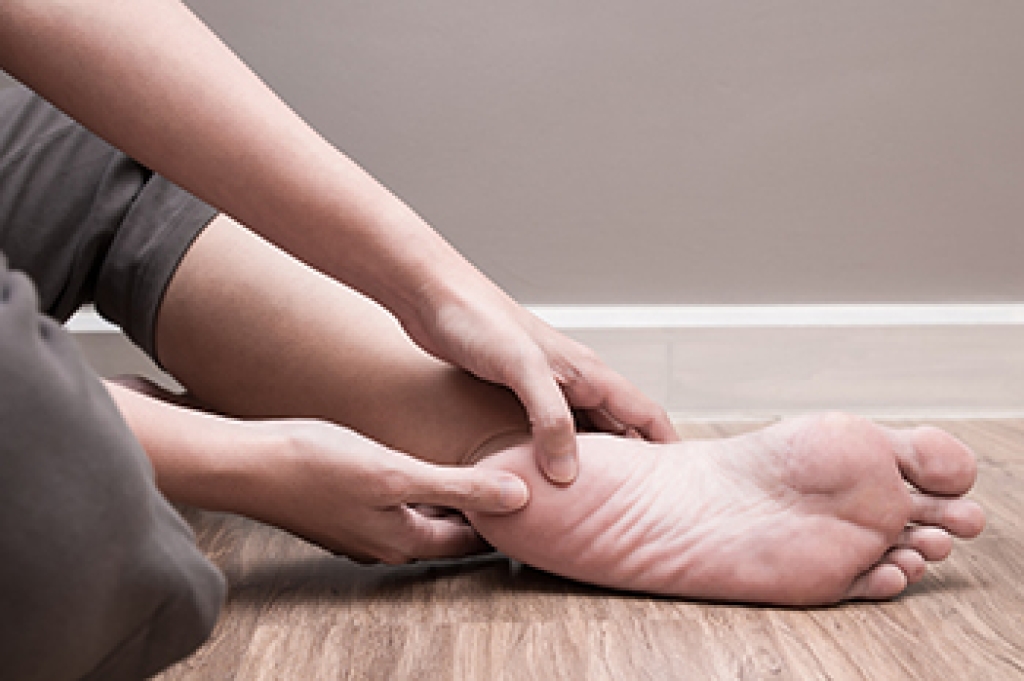
Pain From Heel Fat Pad Atrophy

If you find it difficult to walk or stand for long periods of time due to persistent heel pain, it could be caused by heel fat pad syndrome, also known as fat pad atrophy. This condition results from changes in the elasticity and thickness of the heel fat pad over time, often due to wear and tear on the fatty tissues and muscle fibers. Fat pad atrophy in the heels mimics symptoms of plantar fasciitis but has its own distinct causes and symptoms. Risk factors include overuse, wearing improper footwear, gait imbalances, and certain medical conditions like diabetes or arthritis. Symptoms typically include deep, bruise-like pain in the middle of the heel, increased by weight-bearing activities or walking on hard surfaces. A podiatrist can conduct a thorough evaluation to determine the cause and severity of the condition. Relief options may involve activity modification, custom insoles, and home exercise programs aimed at improving foot biomechanics and muscle control. If you have heel pain, it is suggested that you schedule an appointment with a podiatrist for guidance on correct treatment methods.

Many people suffer from bouts of heel pain. For more information, contact Peter Siroka, DPM of Connecticut. Our doctor can provide the care you need to keep you pain-free and on your feet.

Causes of Heel Pain

Heel pain is often associated with plantar fasciitis. The plantar fascia is a band of tissues that extends along the bottom of the foot. A rip or tear in this ligament can cause inflammation of the tissue.

Achilles tendonitis is another cause of heel pain. Inflammation of the Achilles tendon will cause pain from fractures and muscle tearing. Lack of flexibility is also another symptom.

Heel spurs are another cause of pain. When the tissues of the plantar fascia undergo a great deal of stress, it can lead to ligament separation from the heel bone, causing heel spurs.

Why Might Heel Pain Occur?

  • Wearing ill-fitting shoes                
  • Wearing non-supportive shoes
  • Weight change           
  • Excessive running

Treatments

Heel pain should be treated as soon as possible for immediate results. Keeping your feet in a stress-free environment will help. If you suffer from Achilles tendonitis or plantar fasciitis, applying ice will reduce the swelling. Stretching before an exercise like running will help the muscles. Using all these tips will help make heel pain a condition of the past.

If you have any questions, please feel free to contact our office located in Stamford, CT . We offer the newest diagnostic and treatment technologies for all your foot care needs.
Read more about Heel Pain

Understanding and Preventing Cracked Heels

Cracked heels occur when the skin on the heels becomes dry, thickened, and fissured, often leading to discomfort and cosmetic concerns. This condition, medically known as heel fissures, can result from various factors, including dehydration, prolonged standing, wearing open-back shoes, or inadequate foot care. The skin on the heels lacks oil glands, making it prone to dryness and cracking, especially in dry climates or during colder months. To prevent cracked heels, it is essential to maintain proper foot hygiene by regularly moisturizing the heels with a hydrating foot cream or lotion. Exfoliating the heels gently to remove dead skin buildup and wearing supportive footwear that protects the heels can also help prevent the formation of cracks. Additionally, staying hydrated, maintaining a balanced diet rich in vitamins and minerals, and avoiding excessive standing or walking barefoot can contribute to overall foot health and prevent cracked heels from developing. Cracked heels can be painful. If you have developed this foot condition, it is suggested that you consult a podiatrist who can offer you effective treatment methods, which may include prescribed medication.

If the skin on your feet starts to crack, you may want to see a podiatrist to find treatment. If you have any concerns, contact Peter Siroka, DPM from Connecticut. Our doctor can provide the care you need to keep you pain-free and on your feet.

Cracked Heels

It is important to moisturize your cracked heels in order to prevent pain, bleeding, and infection. The reason cracked heels form is because the skin on the foot is too dry to support the immense pressure placed on them. When the foot expands, the dry skin on the foot begins to split.

Ways to Help Heal Them

  • Invest in a good foot cream
  • Try Using Petroleum Jelly
  • Ease up on Soaps
  • Drink Plenty of Water

Ways to Prevent Cracked Heels

  • Moisturize After Showering
  • Skip a Shower
  • Keep Shower Water Lukewarm
  • Don’t Scrub Your Feet

If you are unsure how to proceed in treating cracked heels, seek guidance from a podiatrist. Your doctor will help you with any questions or information you may need. 

If you have any questions, please feel free to contact our office located in Stamford, CT . We offer the newest diagnostic and treatment technologies for all your foot care needs.

Read more about Solutions for Cracked Heels

Professional Foot Corn Removal

Corns are hard, thickened areas of skin that form on the feet in response to pressure and friction. They typically develop on the toes or the soles of the feet. These skin lesions can cause discomfort and pain, particularly when pressure is applied, such as while wearing shoes. Although corns form to protect the skin, they often grow too thick and need to be managed. A podiatrist, or foot doctor, can professionally remove corns through several methods. One common technique is carefully paring down the thickened skin using a scalpel. This should only be done by a professional to avoid injury. For persistent corns, a podiatrist may also use salicylic acid treatments to chemically pare down the excess skin. Additionally, custom orthotics or padding might be recommended to relieve pressure and prevent the recurrence of corns. In severe cases, a podiatrist may suggest surgical correction of the underlying bone structure that causes the friction. If you are struggling with foot corns, it is suggested that you visit a podiatrist for personalized and safe treatment. 

If you have any concerns regarding your feet and ankles, contact Peter Siroka, DPM of Connecticut. Our doctor will treat your foot and ankle needs.

Corns: What Are They? and How Do You Get Rid of Them?
Corns can be described as areas of the skin that have thickened to the point of becoming painful or irritating. They are often layers and layers of the skin that have become dry and rough, and are normally smaller than calluses.

Ways to Prevent Corns
There are many ways to get rid of painful corns such as wearing:

  • Well-fitting socks
  • Comfortable shoes that are not tight around your foot
  • Shoes that offer support

Treating Corns
Treatment of corns involves removing the dead skin that has built up in the specific area of the foot. Consult with Our doctor to determine the best treatment option for your case of corns.

If you have any questions, please feel free to contact our office located in Stamford, CT . We offer the newest diagnostic and treatment technologies for all your foot care needs.

Read more about Corns: What Are They, and How Do You Get Rid of Them

The Many Causes of Swollen Ankles

Swollen ankles can arise from various factors, ranging from genetics to underlying health conditions. It is important to delve deeper into the potential causes of swollen ankles, because they can signal serious underlying health issues. For instance, obesity, diabetes, infections, and venous insufficiency can lead to fluid retention in the ankles, which makes them become swollen. Other serious conditions that can result in swelling in the ankles include congestive heart failure, deep vein thrombosis, and liver or kidney problems. Pregnancy, medications, insect bites, and sprains can also cause the ankle to swell. Prolonged standing or consuming excess salt are other other factors. Depending on the underlying cause, interventions may include lifestyle modifications, medications, or targeted therapies. If you have noticed that your ankles are swelling abnormally, it is suggested that you schedule an appointment with a podiatrist for an accurate diagnosis and personalized treatment plan.

Ankle pain can be caused by a number of problems and may be potentially serious. If you have ankle pain, consult with Peter Siroka, DPM from Connecticut. Our doctor will assess your condition and provide you with quality foot and ankle treatment.

Ankle pain is any condition that causes pain in the ankle. Due to the fact that the ankle consists of tendons, muscles, bones, and ligaments, ankle pain can come from a number of different conditions.

Causes

The most common causes of ankle pain include:

  • Types of arthritis (rheumatoid, osteoarthritis, and gout)
  • Ankle sprains
  • Broken ankles
  • Achilles tendonitis
  • Achilles tendon rupture
  • Stress fractures
  • Bursitis
  • Tarsal tunnel syndrome
  • Plantar fasciitis

Symptoms

Symptoms of ankle injury vary based upon the condition. Pain may include general pain and discomfort, swelling, aching, redness, bruising, burning or stabbing sensations, and/or loss of sensation.

Diagnosis

Due to the wide variety of potential causes of ankle pain, podiatrists will utilize a number of different methods to properly diagnose ankle pain. This can include asking for personal and family medical histories and of any recent injuries. Further diagnosis may include sensation tests, a physical examination, and potentially x-rays or other imaging tests.

Treatment

Just as the range of causes varies widely, so do treatments. Some more common treatments are rest, ice packs, keeping pressure off the foot, orthotics and braces, medication for inflammation and pain, and surgery.

If you have any questions please feel free to contact our office located in Stamford, CT . We offer the newest diagnostic tools and technology to treat your foot and ankle needs.

Read more about Ankle Pain

Are You Suffering From Ingrown Toenails?

If left untreated, an ingrown toenail can lead to more serious concerns, such as an infection. Knowing proper nail care can help in the prevention of an ingrown toenail. Give us a call, and get treated!

Connect With Us

scroll to top