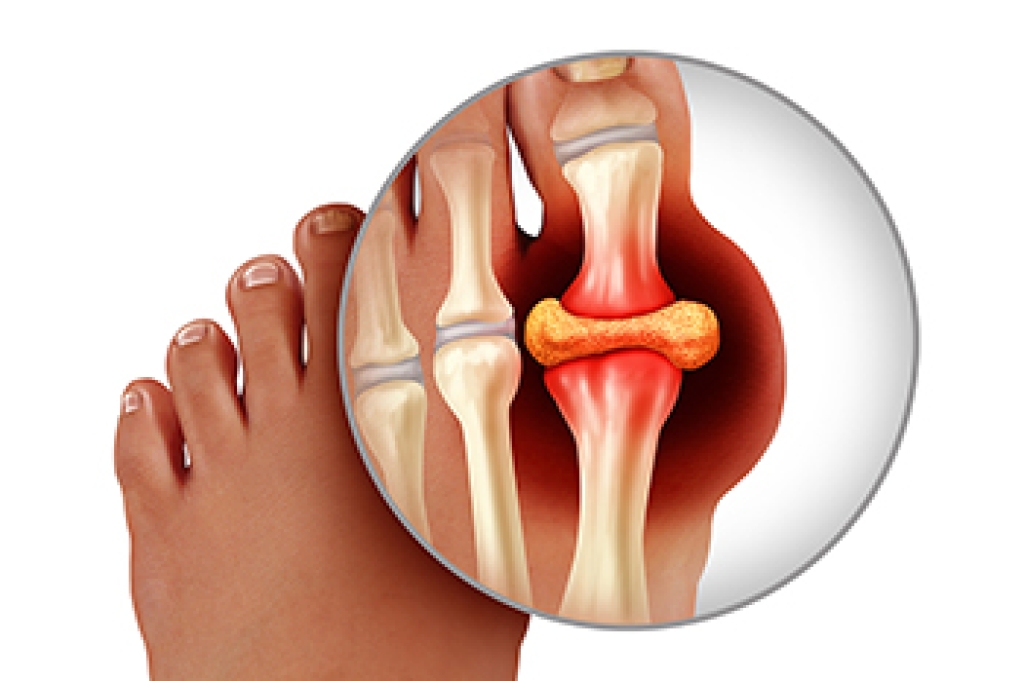
Dietary Guidelines for Gout

Gout is a form of arthritis caused by the buildup of uric acid crystals in the joints, leading to intense pain and inflammation, particularly in the feet. This condition often strikes the big toe, causing redness, swelling, and severe discomfort. To manage gout effectively, it is important to be mindful of dietary choices. Foods high in purines, such as red meat, organ meats, and certain seafood, should be avoided as they can increase uric acid levels. Alcohol and sugary beverages also contribute to the problem. Instead, focus on consuming low-purine foods like fruits, vegetables, whole grains, and low-fat dairy products. Staying hydrated by drinking plenty of water can help prevent uric acid buildup. Gout can cause intense foot pain, and completing daily activities may become difficult. If you have had one or more gout attacks, it is suggested that you are under the care of a podiatrist who can help you to manage this condition.

Gout is a painful condition that can be treated. If you are seeking treatment, contact Peter Siroka, DPM from Connecticut. Our doctor will treat your foot and ankle needs.

What Is Gout?

Gout is a form of arthritis that is characterized by sudden, severe attacks of pain, redness, and tenderness in the joints. The condition usually affects the joint at the base of the big toe. A gout attack can occur at any random time, such as the middle of the night while you are asleep.

Symptoms

  • Intense Joint Pain - Usually around the large joint of your big toe, and it most severe within the first four to twelve hours
  • Lingering Discomfort - Joint discomfort may last from a few days to a few weeks
  • Inflammation and Redness -Affected joints may become swollen, tender, warm and red
  • Limited Range of Motion - May experience a decrease in joint mobility

Risk Factors

  • Genetics - If family members have gout, you’re more likely to have it
  • Medications - Diuretic medications can raise uric acid levels
  • Gender/Age - Gout is more common in men until the age of 60. It is believed that estrogen protects women until that point
  • Diet - Eating red meat and shellfish increases your risk
  • Alcohol - Having more than two alcoholic drinks per day increases your risk
  • Obesity - Obese people are at a higher risk for gout

Prior to visiting your podiatrist to receive treatment for gout, there are a few things you should do beforehand. If you have gout you should write down your symptoms--including when they started and how often you experience them, important medical information you may have, and any questions you may have. Writing down these three things will help your podiatrist in assessing your specific situation so that he or she may provide the best route of treatment for you.

If you have any questions, please feel free to contact our office located in Stamford, CT . We offer the newest diagnostic and treatment technologies for all your foot care needs.
Read more about Gout

Facts About Morton’s Neuroma

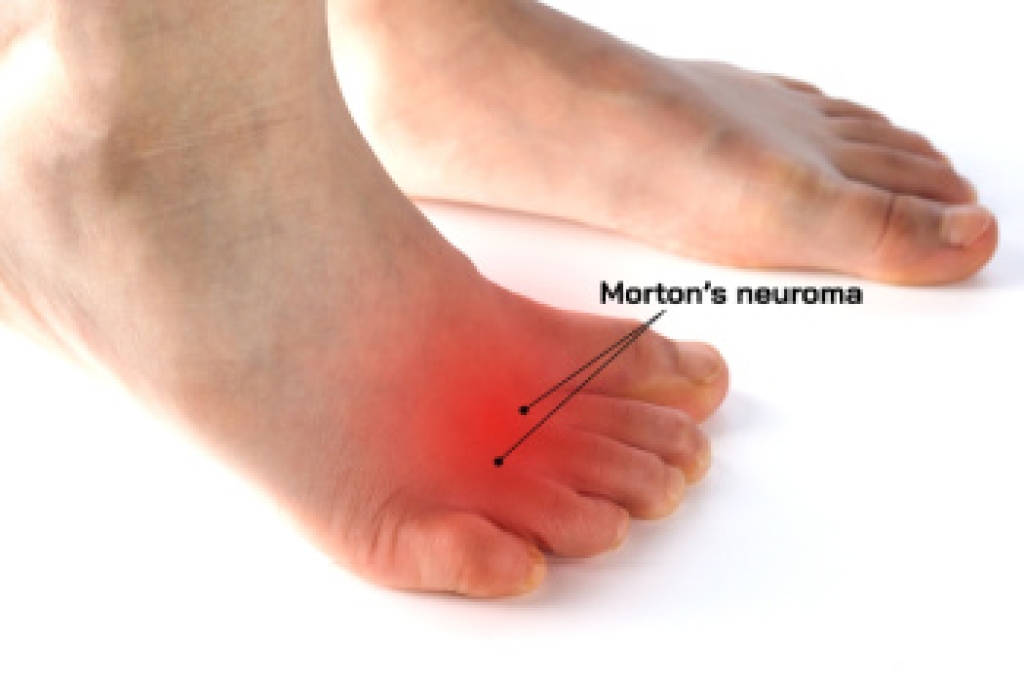
Morton’s neuroma is a painful condition affecting the nerves in the ball of the foot, typically between the third and fourth toes. This condition occurs when the tissue around the nerve thickens due to irritation or pressure, often from wearing tight or high-heeled shoes. Symptoms of Morton's neuroma include sharp pain, burning, or a sensation like stepping on a small stone. Numbness or tingling in the toes can also be experienced. Risk factors include wearing narrow footwear, having foot conditions like flat feet or bunions, or engaging in high-impact sports. A podiatrist can provide custom orthotics, lifestyle modifications, or non-invasive therapies to alleviate discomfort and prevent long-term damage. If left untreated, Morton’s neuroma can lead to chronic pain and permanent nerve damage, like numbness in the toes. If you have pain in the ball of the foot that may be from Morton’s neuroma, it is suggested that you make an appointment with a podiatrist for an exam, diagnosis, and treatment options.

Morton’s neuroma is a very uncomfortable condition to live with. If you think you have Morton’s neuroma, contact Peter Siroka, DPM of Connecticut. Our doctor will attend to all of your foot care needs and answer any of your related questions.  

Morton’s Neuroma

Morton's neuroma is a painful foot condition that commonly affects the areas between the second and third or third and fourth toe, although other areas of the foot are also susceptible. Morton’s neuroma is caused by an inflamed nerve in the foot that is being squeezed and aggravated by surrounding bones.

What Increases the Chances of Having Morton’s Neuroma?

  • Ill-fitting high heels or shoes that add pressure to the toe or foot
  • Jogging, running or any sport that involves constant impact to the foot
  • Flat feet, bunions, and any other foot deformities

Morton’s neuroma is a very treatable condition. Orthotics and shoe inserts can often be used to alleviate the pain on the forefront of the feet. In more severe cases, corticosteroids can also be prescribed. In order to figure out the best treatment for your neuroma, it’s recommended to seek the care of a podiatrist who can diagnose your condition and provide different treatment options.

If you have any questions, please feel free to contact our office located in Stamford, CT . We offer the newest diagnostic and treatment technologies for all your foot care needs.

Read more about Morton's Neuroma

What Are the Causes of Big Toe Pain?

Big toe pain can be both uncomfortable and disruptive, often stemming from various underlying causes. One common culprit is gout, a form of arthritis caused by a buildup of uric acid crystals in the joint, leading to sudden, severe pain and swelling. Another potential cause is bunions, which occur when the big toe deviates towards the other toes, causing pain and pressure. Other issues include sesamoiditis, inflammation of the small bones under the big toe, and trauma or injury to the toe joint. Complications from untreated big toe pain include difficulties with walking and changes in gait, which may strain other joints and muscles. Accurate diagnosis and appropriate treatment are important to address these issues effectively. If you are experiencing persistent or severe pain in your big toe, it is suggested you make an appointment with a podiatrist for a thorough evaluation and tailored treatment plan.

Toe pain can disrupt your daily activities. If you have any concerns, contact Peter Siroka, DPM of Connecticut. Our doctor can provide the care you need to keep you pain-free and on your feet.

What Causes Toe Pain?

Most severe toe pain is caused due to a sports injury, trauma from dropping something heavy on the toe, or bumping into something rigid. Other problems can develop over time for various reasons.

Toe pain can be caused by one or more ailments. The most common include:

  • Trauma
  • Sports injury
  • Wearing shoes that are too tight
  • Arthritis
  • Gout
  • Corns and calluses
  • Hammertoe
  • Bunions
  • Blisters
  • Ingrown toenails
  • Sprains
  • Fractures (broken bones)
  • Dislocations

When to See a Podiatrist

  • Severe pain
  • Persistent pain that lasts more than a week
  • Signs of infection
  • Continued swelling
  • Pain that prevents walking

Diagnosis

In many cases the cause of toe pain is obvious, but in others, a podiatrist may want to use more advanced methods to determine the problem. These can range from simple visual inspections and sensation tests to X-rays and MRI scans. Prior medical history, family medical history, and any recent physical traumatic events will all be taken into consideration for a proper diagnosis.

Treatment

Treatments for toe pain and injuries vary and may include shoe inserts, padding, taping, medicines, injections, and in some cases, surgery. If you believe that you have broken a toe, please see a podiatrist as soon as possible.

If you have any questions please contact our office located in Stamford, CT . We offer the newest diagnostic and treatment technologies for all your foot and ankle needs.

Read more about Toe Pain

Why Live with Pain and Numbness in Your Feet?

Suffering from this type of pain? You may have the foot condition known as Morton's neuroma. Morton's neuroma may develop as a result of ill-fitting footwear and existing foot deformities. We can help.

What Is Achilles Tendinopathy?

Achilles tendinopathy causes pain and swelling in the Achilles tendon, which connects the calf muscles to the heel bone. It typically arises from repetitive stress or overuse and is often seen in athletes and active individuals. Symptoms include a dull, aching pain along the tendon, which may worsen with activity and improve with rest. Treatment for Achilles tendinopathy usually begins with rest which can help reduce inflammation and discomfort. Stretching and strengthening exercises, particularly those focusing on the calf muscles and Achilles tendon, are important for recovery. Additionally, modifying activity levels and wearing supportive footwear or orthotic inserts can prevent further strain on the tendon. For a thorough diagnosis of Achilles tendinopathy and a personalized treatment plan, it’s suggested you make an appointment with a podiatrist.

Achilles tendon injuries need immediate attention to avoid future complications. If you have any concerns, contact Peter Siroka, DPM of Connecticut. Our doctor can provide the care you need to keep you pain-free and on your feet.

What Is the Achilles Tendon?

The Achilles tendon is a tendon that connects the lower leg muscles and calf to the heel of the foot. It is the strongest tendon in the human body and is essential for making movement possible. Because this tendon is such an integral part of the body, any injuries to it can create immense difficulties and should immediately be presented to a doctor.

What Are the Symptoms of an Achilles Tendon Injury?

There are various types of injuries that can affect the Achilles tendon. The two most common injuries are Achilles tendinitis and ruptures of the tendon.

Achilles Tendinitis Symptoms

  • Inflammation
  • Dull to severe pain
  • Increased blood flow to the tendon
  • Thickening of the tendon

Rupture Symptoms

  • Extreme pain and swelling in the foot
  • Total immobility

Treatment and Prevention

Achilles tendon injuries are diagnosed by a thorough physical evaluation, which can include an MRI. Treatment involves rest, physical therapy, and in some cases, surgery. However, various preventative measures can be taken to avoid these injuries, such as:

  • Thorough stretching of the tendon before and after exercise
  • Strengthening exercises like calf raises, squats, leg curls, leg extensions, leg raises, lunges, and leg presses

If you have any questions please feel free to contact our office located in Stamford, CT . We offer the newest diagnostic tools and technology to treat your foot and ankle needs.

Read more about Achilles Tendon Injuries

Connect With Us

scroll to top