
Biomechanics of the Feet and Foot Pain

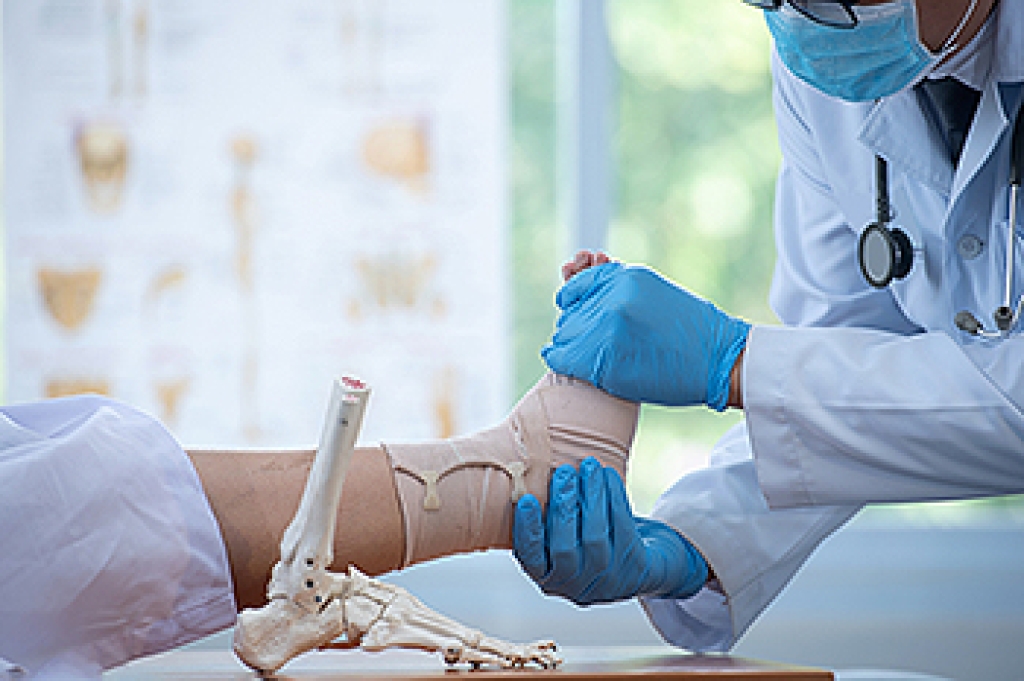
Biomechanical problems of the feet can lead to various issues in the body, including foot pain. These problems often result from conditions consisting of fallen arches, overpronation, or supination. Fallen arches, known as flat feet, can occur due to excessive pronation, causing the foot to roll inward. Conversely, high arches can lead to supination, where the foot rolls outward. Both of these conditions can create imbalances in the body's mechanics, affecting the feet and other body parts, and leading to pain during activities like walking or running. Symptoms of biomechanical foot problems can include hip pain, knee pain, leg cramps, and ankle pain. Additionally, the lower back, Achilles tendon and the heel may be affected. Treatment options often include a gait analysis to understand walking patterns, orthotic devices, and shoe modifications. If you have foot pain, it is suggested that you make an appointment with a podiatrist for a thorough evaluation of your feet and ankles, and a treatment plan based on results.

Foot Pain

Foot pain can be extremely painful and debilitating. If you have a foot pain, consult with Peter Siroka, DPM from Connecticut. Our doctor will assess your condition and provide you with quality foot and ankle treatment.

Causes

Foot pain is a very broad condition that could be caused by one or more ailments. The most common include:

  • Bunions
  • Hammertoes
  • Plantar Fasciitis
  • Bone Spurs
  • Corns
  • Tarsal Tunnel Syndrome
  • Ingrown Toenails
  • Arthritis (such as Gout, Rheumatoid, and Osteoarthritis)
  • Flat Feet
  • Injury (from stress fractures, broken toe, foot, ankle, Achilles tendon ruptures, and sprains)
  • And more

Diagnosis

To figure out the cause of foot pain, podiatrists utilize several different methods. This can range from simple visual inspections and sensation tests to X-rays and MRI scans. Prior medical history, family medical history, and any recent physical traumatic events will all be taken into consideration for a proper diagnosis.

Treatment

Treatment depends upon the cause of the foot pain. Whether it is resting, staying off the foot, or having surgery; podiatrists have a number of treatment options available for foot pain.

If you have any questions, please feel free to contact our office located in Stamford, CT . We offer the newest diagnostic and treatment technologies for all your foot care needs.

Read more about Foot Pain

The Definition of a Foot Fracture

A foot fracture, also known as a broken foot, can vary in severity, from small hairline cracks to complete bone breaks. The human foot is a complex structure comprising 26 bones, making it susceptible to a variety of fracture types. Foot fractures often result from traumatic incidents, such as falls, sports injuries, or accidents. They can also occur due to repetitive stress on the foot over time, especially in athletes or individuals engaged in high-impact activities. Common symptoms of a foot fracture include pain, swelling, and bruising, and it can also be difficult to walk. A diagnosis typically involves physical examination, X-rays, or other imaging tests to determine the type and extent of the fracture. Treatment options can vary depending on the fracture's severity and location. Mild fractures may heal with rest, immobilization, and pain management. Conversely,  more severe cases may require casting, surgery, or other interventions to ensure proper healing that can restore normal foot function. In conclusion, a foot fracture is a break in one or more of the foot's many bones, often resulting from trauma or repetitive stress. If you have broken your foot, it is suggested that you visit a podiatrist who can provide you with an accurate diagnosis and offer the treatment plan that is right for you.

A broken foot requires immediate medical attention and treatment. If you need your feet checked, contact Peter Siroka, DPM from Connecticut. Our doctor can provide the care you need to keep you pain-free and on your feet.

Broken Foot Causes, Symptoms, and Treatment

A broken foot is caused by one of the bones in the foot typically breaking when bended, crushed, or stretched beyond its natural capabilities. Usually the location of the fracture indicates how the break occurred, whether it was through an object, fall, or any other type of injury. 

Common Symptoms of Broken Feet:

  • Bruising
  • Pain
  • Redness
  • Swelling
  • Blue in color
  • Numbness
  • Cold
  • Misshapen
  • Cuts
  • Deformities

Those that suspect they have a broken foot shoot seek urgent medical attention where a medical professional could diagnose the severity.

Treatment for broken bones varies depending on the cause, severity and location. Some will require the use of splints, casts or crutches while others could even involve surgery to repair the broken bones. Personal care includes the use of ice and keeping the foot stabilized and elevated.

If you have any questions, please feel free to contact our office located in Stamford, CT . We offer the newest diagnostic and treatment technologies for all your foot care needs.

Read more about Causes, Symptoms, and Treatment for a Broken Foot

The Many Benefits of Foot Spas

In the hustle and bustle of daily life, we often neglect our feet despite their vital role in keeping us mobile. Foot spas offer a soothing retreat for your hard-working feet, and the benefits extend far beyond relaxation. First and foremost, foot spas provide immediate relief from stress and fatigue. The warm water and massaging action soothe tired muscles, easing tension throughout your body. Additionally, foot spas can promote better circulation. The blood is stimulated to the feet and lower limbs, aiding in the removal of toxins and reducing swelling. This can be particularly beneficial for those individuals with circulation issues. Foot spas can also alleviate foot pain and discomfort. Whether it is due to a long day of standing or a specific foot condition, the combination of heat and massage can provide relief from common foot ailments such as plantar fasciitis or arthritis. Lastly, regular foot spa sessions can enhance overall foot health by softening calluses and promoting better nail care. These indulgent treatments offer a multitude of benefits that go well beyond a momentary pampering session. If you would like more information about the benefits of foot spas, it is suggested that you speak with a podiatrist.

Foot therapy is often necessary for those recovering from either foot deformities or foot injuries. If you have concerns regarding therapy, consult with Peter Siroka, DPM from Connecticut. Our doctor can provide the care you need to keep you pain-free and on your feet.

Most Common Injuries

People who are active or athletes are prone to a variety of injuries. Therefore, it is often important to take part in physical therapy in order to quickly get back on the right track. 

What to Do When Injured

Physical Therapy – This specialized treatment will focus on the affected area, speeding up recovery and the overall healing process. It is a proven method that has helped millions of people return from any injury.

During physical therapy you will undergo regimented training to get back into full form. Training is often very difficult, especially at first when the foot feels weak. Physical therapy often involves:

Basic stretching and twisting exercises – getting the feet’s mobility and flexibility up.

Massaging – the therapist will massage the injured area in order to activate the muscles and relax them.

Strengthening Exercises – this allows the muscles in the affected area to regain their full strength, a vital step towards full recovery.

If you have any questions, please feel free to contact our office located in Stamford, CT . We offer the newest diagnostic and treatment technologies for all your foot care needs.

Read more about Foot Therapy for Sports Injuries

A Simple Daily Foot Care Routine for Healthy Feet

Our feet bear the weight of our daily activities, often without getting the attention they truly deserve. Incorporating an everyday foot care routine into your daily life can help keep your feet healthy. This can begin by cleansing your feet daily with mild soap and warm water, ensuring they are thoroughly dried, and paying special attention to the spaces between your toes. Moisturizing your feet with a hydrating lotion can help to prevent dryness and cracking, and trimming your toenails straight across is necessary to avoid ingrown nails. Wearing comfortable, well-fitting shoes that have adequate arch support is crucial in maintaining foot health. Additionally, it is beneficial to rest your feet by taking short breaks to stretch and wiggle your toes during the day. Lastly, inspect your feet regularly for any signs of blisters, calluses, or changes in color or texture. By incorporating these simple habits into your daily routine, you can enjoy healthy feet that support you throughout your life. If you would like more information about other foot care tips, it is suggested that you confer with a podiatrist who can provide you with the knowledge you are seeking.

Everyday foot care is very important to prevent infection and other foot ailments. If you need your feet checked, contact Peter Siroka, DPM from Connecticut. Our doctor can provide the care you need to keep you pain-free and on your feet.

Everyday Foot Care

Often, people take care of their bodies, face and hair more so than they do for their feet. But the feet are a very important aspect of our bodies, and one that we should pay more attention to. Without our feet, we would not be able to perform most daily tasks.

It is best to check your feet regularly to make sure there are no new bruises or cuts that you may not have noticed before. For dry feet, moisturizer can easily be a remedy and can be applied as often as necessary to the affected areas. Wearing shoes that fit well can also help you maintain good foot health, as well as making it easier to walk and do daily activities without the stress or pain of ill-fitting shoes, high heels, or even flip flops. Wearing clean socks with closed shoes is important to ensure that sweat and bacteria do not accumulate within the shoe. Clean socks help to prevent Athlete’s foot, fungi problems, bad odors, and can absorb sweat.

If you have any questions, please feel free to contact our office located in Stamford, CT . We offer the newest diagnostic and treatment technologies for all your foot care needs.

Read more about Everyday Foot Care

Connect With Us

scroll to top