
Managing a Broken Toe

A broken toe may result from a direct hit, such as stubbing the toe, dropping something heavy on it, or from repeated stress like running or jumping. Pain, swelling, bruising, and difficulty walking are common signs of a toe fracture. Some breaks can cause the bone to shift out of place, while others stay aligned but still cause discomfort. A broken toe may be open, with a wound that exposes the bone, or closed, where the skin remains unbroken. Ignoring the injury can lead to long-term problems, such as poor healing or joint stiffness. A podiatrist can check for bone displacement or hidden fractures using an X-ray or other imaging, as well as assess any risks of infection or complications. Depending on the type and severity of the break, a podiatrist may stabilize the toe with a cast, special shoe, or taping method. Surgery may be needed to realign the bone. If you have broken a toe, it is suggested that you promptly schedule an appointment with a podiatrist for an exam and appropriate treatment options.

Broken toes may cause a lot of pain and should be treated as soon as possible. If you have any concerns about your feet, contact Peter Siroka, DPM from Connecticut. Our doctor will treat your foot and ankle needs.

What Is a Broken Toe?

A broken toe occurs when one or more of the toe bones of the foot are broken after an injury. Injuries such as stubbing your toe or dropping a heavy object on it may cause a toe fracture.

Symptoms of a Broken Toe

  • Swelling
  • Pain (with/without wearing shoes)
  • Stiffness
  • Nail Injury

Although the injured toe should be monitored daily, it is especially important to have a podiatrist look at your toe if you have severe symptoms. Some of these symptoms include worsening or new pain that is not relieved with medication, sores, redness, or open wounds near the toe.

If you have any questions please feel free to contact our office located in Stamford, CT . We offer the newest diagnostic tools and technology to treat your foot and ankle needs.

Read more about What to Know About a Broken Toe

Understanding Pain on the Bottom of the Foot

Discomfort on the underside of the foot can come from several sources and may interfere with walking or standing. A common reason is strain on the thick tissue that supports the arch, which can lead to soreness near the heel or through the middle of the foot. This discomfort may be more noticeable when getting out of bed or after long periods of time on your feet. Other possible causes include nerve irritation, added pressure on the front of the foot, or inflammation near the heel. Wearing poor footwear, long hours of standing, or overuse during activity may increase the chances of pain. Without proper care, these symptoms may linger or get worse, over time. If you are noticing ongoing soreness on the bottom of your foot, it is suggested that you schedule an appointment with a podiatrist for a diagnosis and appropriate treatment.

Foot Pain

Foot pain can be extremely painful and debilitating. If you have a foot pain, consult with Peter Siroka, DPM from Connecticut. Our doctor will assess your condition and provide you with quality foot and ankle treatment.

Causes

Foot pain is a very broad condition that could be caused by one or more ailments. The most common include:

  • Bunions
  • Hammertoes
  • Plantar Fasciitis
  • Bone Spurs
  • Corns
  • Tarsal Tunnel Syndrome
  • Ingrown Toenails
  • Arthritis (such as Gout, Rheumatoid, and Osteoarthritis)
  • Flat Feet
  • Injury (from stress fractures, broken toe, foot, ankle, Achilles tendon ruptures, and sprains)
  • And more

Diagnosis

To figure out the cause of foot pain, podiatrists utilize several different methods. This can range from simple visual inspections and sensation tests to X-rays and MRI scans. Prior medical history, family medical history, and any recent physical traumatic events will all be taken into consideration for a proper diagnosis.

Treatment

Treatment depends upon the cause of the foot pain. Whether it is resting, staying off the foot, or having surgery; podiatrists have a number of treatment options available for foot pain.

If you have any questions, please feel free to contact our office located in Stamford, CT . We offer the newest diagnostic and treatment technologies for all your foot care needs.

Read more about Foot Pain

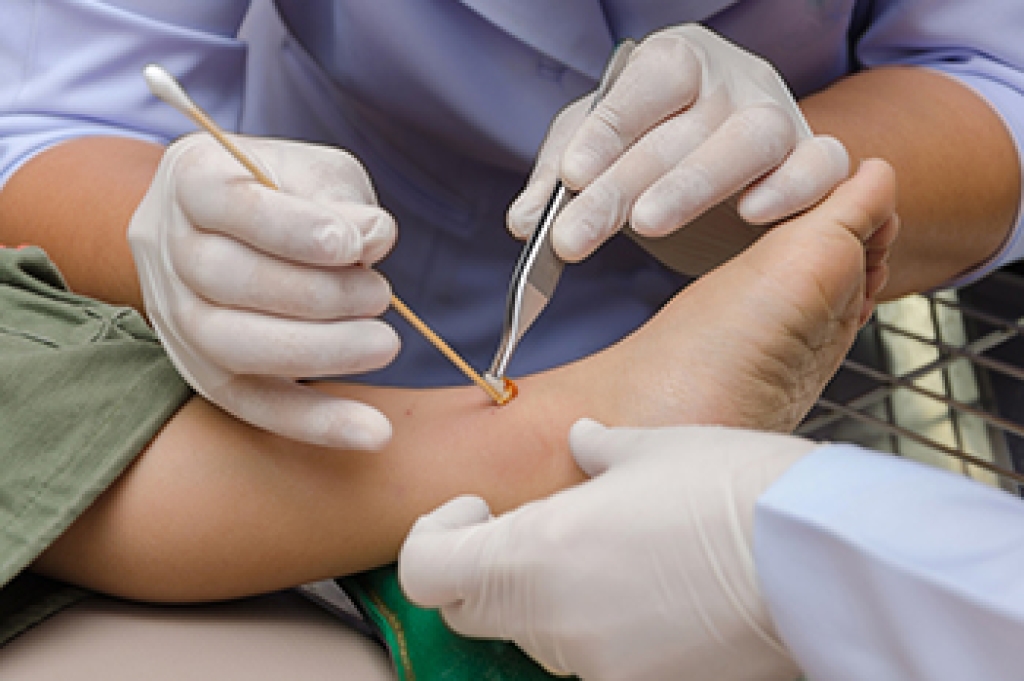
Why Patient Preference Matters in Foot Wound Care

Foot wounds often require specialized attention, but clinical expertise alone is not always enough. The choices patients make about their care matter. From the type of dressings used to how often visits are scheduled, each decision can affect comfort, confidence, and healing. When patients are involved in the planning of their treatment, they are more likely to follow through with care and speak up about concerns. This creates a stronger partnership with the provider and often leads to better outcomes. Respecting personal routines, cultural beliefs, and lifestyle needs helps tailor care that fits into daily life rather than disrupting it. Listening to patient preferences is not just courteous. It is a critical step in treating wounds that are often slow to heal. To create a care plan that truly works, it is suggested that you schedule a visit with a podiatrist who understands the importance of patient input at every stage.

Wound care is an important part in dealing with diabetes. If you have diabetes and a foot wound or would like more information about wound care for diabetics, consult with Peter Siroka, DPM from Connecticut. Our doctor will assess your condition and provide you with quality foot and ankle treatment.

What Is Wound Care?

Wound care is the practice of taking proper care of a wound. This can range from the smallest to the largest of wounds. While everyone can benefit from proper wound care, it is much more important for diabetics. Diabetics often suffer from poor blood circulation which causes wounds to heal much slower than they would in a non-diabetic. 

What Is the Importance of Wound Care?

While it may not seem apparent with small ulcers on the foot, for diabetics, any size ulcer can become infected. Diabetics often also suffer from neuropathy, or nerve loss. This means they might not even feel when they have an ulcer on their foot. If the wound becomes severely infected, amputation may be necessary. Therefore, it is of the upmost importance to properly care for any and all foot wounds.

How to Care for Wounds

The best way to care for foot wounds is to prevent them. For diabetics, this means daily inspections of the feet for any signs of abnormalities or ulcers. It is also recommended to see a podiatrist several times a year for a foot inspection. If you do have an ulcer, run the wound under water to clear dirt from the wound; then apply antibiotic ointment to the wound and cover with a bandage. Bandages should be changed daily and keeping pressure off the wound is smart. It is advised to see a podiatrist, who can keep an eye on it.

If you have any questions please contact our office located in Stamford, CT . We offer the newest diagnostic and treatment technologies for all your foot and ankle needs.

Read more about Wound Care

Categories of Ingrown Toenails

Ingrown toenails are typically classified based on severity and depth of nail penetration into the surrounding skin. A mild ingrown toenail involves redness, swelling, and slight tenderness where the nail edge presses against the skin. A moderate ingrown toenail may cause increased pain, drainage, and signs of infection as the nail begins to pierce the skin. A severe ingrown toenail often includes significant inflammation, pus, overgrowth of tissue, and difficulty walking due to intense discomfort. Chronic cases may result in repeated infections or thickened skin. Each stage may require a different approach to care, from at-home soaking and nail trimming to professional treatment such as partial nail removal. If you are experiencing persistent or painful symptoms, it is suggested that you see a podiatrist for a diagnosis and treatment to prevent further complications and restore comfort.

Ingrown toenails can become painful if they are not treated properly. For more information about ingrown toenails, contact Peter Siroka, DPM of Connecticut. Our doctor can provide the care you need to keep you pain-free and on your feet.

Ingrown Toenails

Ingrown toenails occur when a toenail grows sideways into the bed of the nail, causing pain, swelling, and possibly infection.

Causes

  • Bacterial infections
  • Improper nail cutting such as cutting it too short or not straight across
  • Trauma to the toe, such as stubbing, which causes the nail to grow back irregularly
  • Ill-fitting shoes that bunch the toes too close together
  • Genetic predisposition

Prevention

Wearing proper fitting shoes and using proper cutting techniques will also help decrease your risk of developing ingrown toenails.

Treatment

Ingrown toenails are a very treatable foot condition. In minor cases, soaking the affected area in salt or antibacterial soaps will not only help with the ingrown nail itself, but also help prevent any infections from occurring. In more severe cases, surgery is an option. In either case, speaking to your podiatrist about this condition will help you get a better understanding of specific treatment options that are right for you.

If you have any questions, please feel free to contact our office located in Stamford, CT . We offer the newest diagnostic and treatment technologies for all your foot care needs.

Read more about Ingrown Toenails

Get Professional Care for a Broken Foot or Ankle

Constant care and regular evaluation are important for a foot or ankle fracture. If left untreated, foot or ankle fractures can worsen over time and create more serious problems.

Don't wait to be examined if you believe you've experienced a foot or ankle fracture.

Connect With Us

scroll to top