Fencing and Foot and Ankle Injuries

Fencing is a thrilling dance of swords, a clash of sharp intellects, and a showcase of exceptional skills. However, within the fluidity of each swift lunge and precise comeback, the potential for injuries lurks in the shadows. It can help to be aware of early indicators of injuries in fencing to proactively try to evade them. Foot and ankle injuries such as sprains and strains can emerge from absorbing the impact of swift maneuvers and changes in direction. Typical signs encompass discomfort, swelling, and challenges in walking or bearing weight. Safeguard against foot injuries by investing in top-tier fencing footwear, executing thorough warm-up routines, and upholding precise footwork techniques. In cases of foot injuries, the recommended course of action is resting, elevating, and compressing the affected limb. If you participate in fencing and have sustained a severe or persistent foot or ankle injury, it is suggested that you make an appointment with a podiatrist for a proper diagnosis and treatment.

Sports related foot and ankle injuries require proper treatment before players can go back to their regular routines. For more information, contact Peter Siroka, DPM of Connecticut. Our doctor can provide the care you need to keep you pain-free and on your feet.

Sports Related Foot and Ankle Injuries

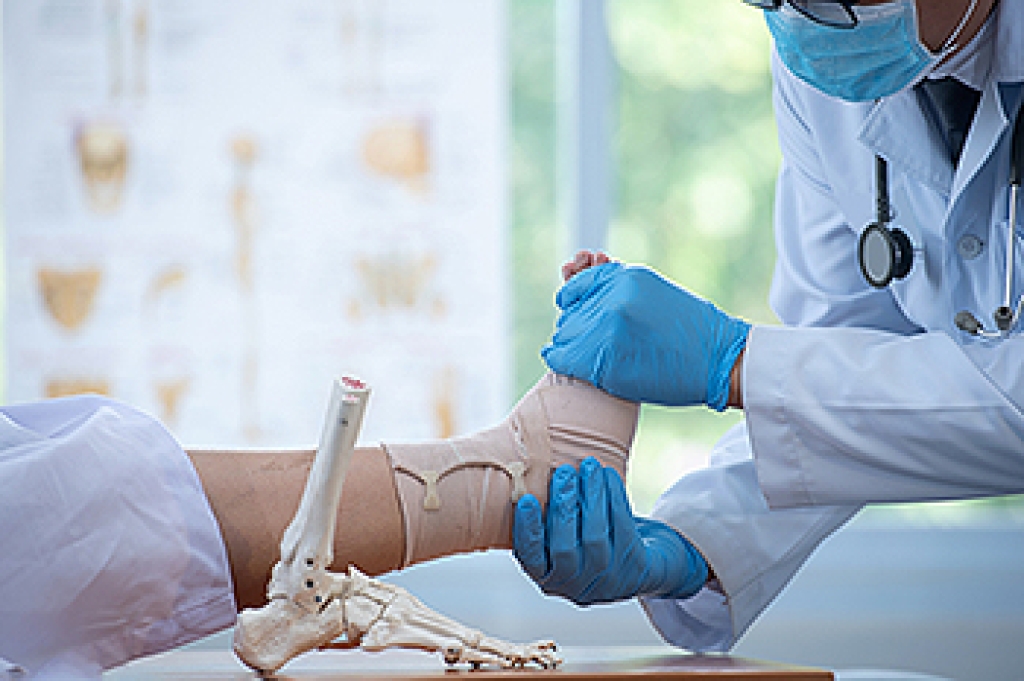
Foot and ankle injuries are a common occurrence when it comes to athletes of any sport. While many athletes dismiss the initial aches and pains, the truth is that ignoring potential foot and ankle injuries can lead to serious problems. As athletes continue to place pressure and strain the area further, a mild injury can turn into something as serious as a rupture and may lead to a permanent disability. There are many factors that contribute to sports related foot and ankle injuries, which include failure to warm up properly, not providing support or wearing bad footwear. Common injuries and conditions athletes face, including:

  • Plantar Fasciitis
  • Achilles Tendinitis
  • Achilles Tendon Rupture
  • Ankle Sprains

Sports related injuries are commonly treated using the RICE method. This includes rest, applying ice to the injured area, compression and elevating the ankle. More serious sprains and injuries may require surgery, which could include arthroscopic and reconstructive surgery. Rehabilitation and therapy may also be required in order to get any recovering athlete to become fully functional again. Any unusual aches and pains an athlete sustains must be evaluated by a licensed, reputable medical professional.

If you have any questions please contact our office located in Stamford, CT . We offer the newest diagnostic and treatment technologies for all your foot and ankle needs.

Read more about Sports Related Foot And Ankle Injuries

Biomechanics of the Feet and Foot Pain

Biomechanical problems of the feet can lead to various issues in the body, including foot pain. These problems often result from conditions consisting of fallen arches, overpronation, or supination. Fallen arches, known as flat feet, can occur due to excessive pronation, causing the foot to roll inward. Conversely, high arches can lead to supination, where the foot rolls outward. Both of these conditions can create imbalances in the body's mechanics, affecting the feet and other body parts, and leading to pain during activities like walking or running. Symptoms of biomechanical foot problems can include hip pain, knee pain, leg cramps, and ankle pain. Additionally, the lower back, Achilles tendon and the heel may be affected. Treatment options often include a gait analysis to understand walking patterns, orthotic devices, and shoe modifications. If you have foot pain, it is suggested that you make an appointment with a podiatrist for a thorough evaluation of your feet and ankles, and a treatment plan based on results.

Foot Pain

Foot pain can be extremely painful and debilitating. If you have a foot pain, consult with Peter Siroka, DPM from Connecticut. Our doctor will assess your condition and provide you with quality foot and ankle treatment.

Causes

Foot pain is a very broad condition that could be caused by one or more ailments. The most common include:

  • Bunions
  • Hammertoes
  • Plantar Fasciitis
  • Bone Spurs
  • Corns
  • Tarsal Tunnel Syndrome
  • Ingrown Toenails
  • Arthritis (such as Gout, Rheumatoid, and Osteoarthritis)
  • Flat Feet
  • Injury (from stress fractures, broken toe, foot, ankle, Achilles tendon ruptures, and sprains)
  • And more

Diagnosis

To figure out the cause of foot pain, podiatrists utilize several different methods. This can range from simple visual inspections and sensation tests to X-rays and MRI scans. Prior medical history, family medical history, and any recent physical traumatic events will all be taken into consideration for a proper diagnosis.

Treatment

Treatment depends upon the cause of the foot pain. Whether it is resting, staying off the foot, or having surgery; podiatrists have a number of treatment options available for foot pain.

If you have any questions, please feel free to contact our office located in Stamford, CT . We offer the newest diagnostic and treatment technologies for all your foot care needs.

Read more about Foot Pain

The Definition of a Foot Fracture

A foot fracture, also known as a broken foot, can vary in severity, from small hairline cracks to complete bone breaks. The human foot is a complex structure comprising 26 bones, making it susceptible to a variety of fracture types. Foot fractures often result from traumatic incidents, such as falls, sports injuries, or accidents. They can also occur due to repetitive stress on the foot over time, especially in athletes or individuals engaged in high-impact activities. Common symptoms of a foot fracture include pain, swelling, and bruising, and it can also be difficult to walk. A diagnosis typically involves physical examination, X-rays, or other imaging tests to determine the type and extent of the fracture. Treatment options can vary depending on the fracture's severity and location. Mild fractures may heal with rest, immobilization, and pain management. Conversely,  more severe cases may require casting, surgery, or other interventions to ensure proper healing that can restore normal foot function. In conclusion, a foot fracture is a break in one or more of the foot's many bones, often resulting from trauma or repetitive stress. If you have broken your foot, it is suggested that you visit a podiatrist who can provide you with an accurate diagnosis and offer the treatment plan that is right for you.

A broken foot requires immediate medical attention and treatment. If you need your feet checked, contact Peter Siroka, DPM from Connecticut. Our doctor can provide the care you need to keep you pain-free and on your feet.

Broken Foot Causes, Symptoms, and Treatment

A broken foot is caused by one of the bones in the foot typically breaking when bended, crushed, or stretched beyond its natural capabilities. Usually the location of the fracture indicates how the break occurred, whether it was through an object, fall, or any other type of injury. 

Common Symptoms of Broken Feet:

  • Bruising
  • Pain
  • Redness
  • Swelling
  • Blue in color
  • Numbness
  • Cold
  • Misshapen
  • Cuts
  • Deformities

Those that suspect they have a broken foot shoot seek urgent medical attention where a medical professional could diagnose the severity.

Treatment for broken bones varies depending on the cause, severity and location. Some will require the use of splints, casts or crutches while others could even involve surgery to repair the broken bones. Personal care includes the use of ice and keeping the foot stabilized and elevated.

If you have any questions, please feel free to contact our office located in Stamford, CT . We offer the newest diagnostic and treatment technologies for all your foot care needs.

Read more about Causes, Symptoms, and Treatment for a Broken Foot

The Many Benefits of Foot Spas

In the hustle and bustle of daily life, we often neglect our feet despite their vital role in keeping us mobile. Foot spas offer a soothing retreat for your hard-working feet, and the benefits extend far beyond relaxation. First and foremost, foot spas provide immediate relief from stress and fatigue. The warm water and massaging action soothe tired muscles, easing tension throughout your body. Additionally, foot spas can promote better circulation. The blood is stimulated to the feet and lower limbs, aiding in the removal of toxins and reducing swelling. This can be particularly beneficial for those individuals with circulation issues. Foot spas can also alleviate foot pain and discomfort. Whether it is due to a long day of standing or a specific foot condition, the combination of heat and massage can provide relief from common foot ailments such as plantar fasciitis or arthritis. Lastly, regular foot spa sessions can enhance overall foot health by softening calluses and promoting better nail care. These indulgent treatments offer a multitude of benefits that go well beyond a momentary pampering session. If you would like more information about the benefits of foot spas, it is suggested that you speak with a podiatrist.

Foot therapy is often necessary for those recovering from either foot deformities or foot injuries. If you have concerns regarding therapy, consult with Peter Siroka, DPM from Connecticut. Our doctor can provide the care you need to keep you pain-free and on your feet.

Most Common Injuries

People who are active or athletes are prone to a variety of injuries. Therefore, it is often important to take part in physical therapy in order to quickly get back on the right track. 

What to Do When Injured

Physical Therapy – This specialized treatment will focus on the affected area, speeding up recovery and the overall healing process. It is a proven method that has helped millions of people return from any injury.

During physical therapy you will undergo regimented training to get back into full form. Training is often very difficult, especially at first when the foot feels weak. Physical therapy often involves:

Basic stretching and twisting exercises – getting the feet’s mobility and flexibility up.

Massaging – the therapist will massage the injured area in order to activate the muscles and relax them.

Strengthening Exercises – this allows the muscles in the affected area to regain their full strength, a vital step towards full recovery.

If you have any questions, please feel free to contact our office located in Stamford, CT . We offer the newest diagnostic and treatment technologies for all your foot care needs.

Read more about Foot Therapy for Sports Injuries

A Simple Daily Foot Care Routine for Healthy Feet

Our feet bear the weight of our daily activities, often without getting the attention they truly deserve. Incorporating an everyday foot care routine into your daily life can help keep your feet healthy. This can begin by cleansing your feet daily with mild soap and warm water, ensuring they are thoroughly dried, and paying special attention to the spaces between your toes. Moisturizing your feet with a hydrating lotion can help to prevent dryness and cracking, and trimming your toenails straight across is necessary to avoid ingrown nails. Wearing comfortable, well-fitting shoes that have adequate arch support is crucial in maintaining foot health. Additionally, it is beneficial to rest your feet by taking short breaks to stretch and wiggle your toes during the day. Lastly, inspect your feet regularly for any signs of blisters, calluses, or changes in color or texture. By incorporating these simple habits into your daily routine, you can enjoy healthy feet that support you throughout your life. If you would like more information about other foot care tips, it is suggested that you confer with a podiatrist who can provide you with the knowledge you are seeking.

Everyday foot care is very important to prevent infection and other foot ailments. If you need your feet checked, contact Peter Siroka, DPM from Connecticut. Our doctor can provide the care you need to keep you pain-free and on your feet.

Everyday Foot Care

Often, people take care of their bodies, face and hair more so than they do for their feet. But the feet are a very important aspect of our bodies, and one that we should pay more attention to. Without our feet, we would not be able to perform most daily tasks.

It is best to check your feet regularly to make sure there are no new bruises or cuts that you may not have noticed before. For dry feet, moisturizer can easily be a remedy and can be applied as often as necessary to the affected areas. Wearing shoes that fit well can also help you maintain good foot health, as well as making it easier to walk and do daily activities without the stress or pain of ill-fitting shoes, high heels, or even flip flops. Wearing clean socks with closed shoes is important to ensure that sweat and bacteria do not accumulate within the shoe. Clean socks help to prevent Athlete’s foot, fungi problems, bad odors, and can absorb sweat.

If you have any questions, please feel free to contact our office located in Stamford, CT . We offer the newest diagnostic and treatment technologies for all your foot care needs.

Read more about Everyday Foot Care

Harnessing MLS Therapy for Peroneal Pain Relief

Peroneal pain is a common challenge arising from injuries or strain to the lower leg and foot peroneal muscles, often disrupting mobility and well-being. Multiwave Locked System, abbreviated MLS therapy is a groundbreaking technique that offers relief from this discomfort. MLS therapy addresses peroneal pain thoroughly by utilizing synchronized wavelengths of laser light. The continuous wavelength triggers the release of natural pain relievers, swiftly alleviating discomfort, while the pulsed wavelength encourages cellular repair and diminishes inflammation. This dual-pronged approach not only provides relief but also accelerates healing, enabling individuals to regain their stride sooner. The non-invasive nature of MLS therapy ensures minimal disruption to daily life, making it an attractive relief option for peroneal pain. If you have this type of pain, it is suggested that you confer with a podiatrist who can determine if this treatment is right for you.

MLS Laser Therapy is a successful alternative for treating any pain you may be experiencing related to certain podiatric conditions.  If you are interested in MLS Laser Therapy, consult with Peter Siroka, DPM from Connecticut. Our doctor will assess your condition and provide you with quality foot and ankle treatment.

MLS Laser Therapy

Multiwave Locked System (MLS) Laser Therapy is a patented, FDA-cleared technology that helps relieve pain and inflammation from a number of podiatric conditions, including:

  • Heel Pain
  • Plantar Fasciitis
  • Sports Injuries
  • Wounds
  • Achilles Tendonitis
  • Arthritis
  • Neuropathy
  • Neuromas

MLS Laser Therapy is an ideal alternative to surgery and prescription medication, as it has no negative side effects and encourages accelerated healing. Among its many clinical benefits, MLS Laser Therapy also:

  • Reduces swelling due to bruising or inflammation
  • Blocks pain
  • Reduces formation of scar tissue
  • Improves nerve function

If you have any questions, please feel free to contact our office located in Stamford, CT . We offer the newest diagnostic and treatment technologies for all your foot care needs.

Read more about MLS Laser Therapy

The Power of Extracorporeal Shockwave Therapy for Plantar Fasciitis

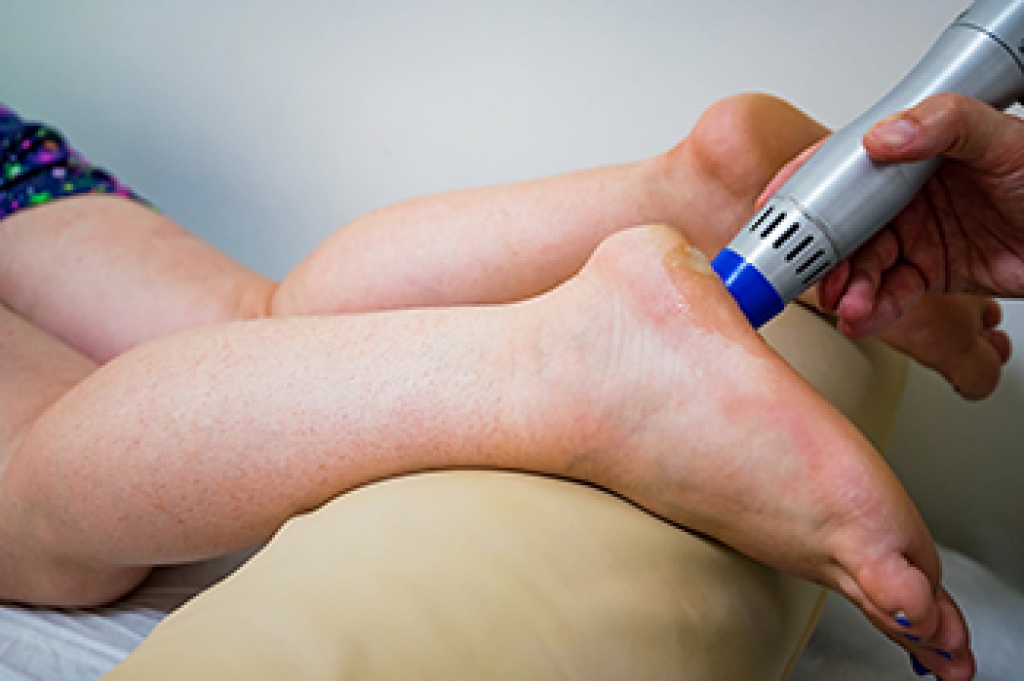
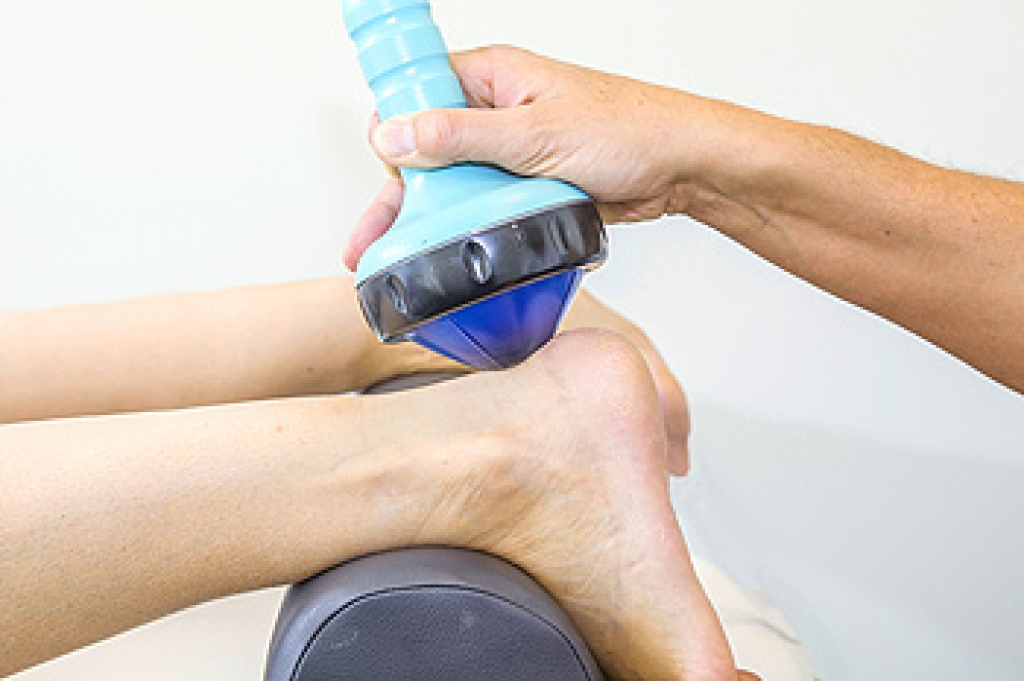
Extracorporeal Shockwave Therapy, abbreviated ESWT, is a proven treatment for chronic musculoskeletal pain. This therapy is done for injuries persisting for over six weeks, where the body struggles to heal itself. ESWT prompts an irritation at the injury site, transitioning it from chronic to acute, which facilitates natural healing. It is often combined with other therapies such as offloading and strengthening exercises. ESWT is particularly effective for plantar fasciitis, which previously necessitated extended rest, cortisone shots, or surgery. ESWT involves delivering low and high energy shockwaves to the plantar fascia, stimulating the body's self healing mechanisms. It enhances blood circulation, encourages cell regeneration, and reduces nerve sensitivity. It is noninvasive and has no side effects. Typically, four to six sessions spaced a week apart are needed for optimal results, with symptom improvement often noticed after just two sessions. Healing continues for up to three months post treatment. If you have plantar fasciitis and are interested in learning more about this type of treatment, it is suggested that you make an appointment with a podiatrist to see if ESWT is right for you.

Shockwave therapy is a treatment commonly used to treat various injuries and conditions, particularly plantar fasciitis in the feet. To learn more, consult with Peter Siroka, DPM from Connecticut. Our doctor can provide the care you need to keep you pain-free and on your feet.

Shockwave Therapy

Shockwave therapy is a new treatment option designed to treat bone conditions such as tennis elbow, shoulder pain, and others. Shockwave therapy uses high intensity sound waves that are directed to the affected tissues of the body with pinpoint accuracy. The effects are very beneficial, leading to a production of collagen fibers, eliminating inflammation.

Who Benefits from Shockwave?

Shockwave is recommended for patients suffering from heel pain and associated problems. Heel pain is a common condition which can be caused by obesity, overexertion, and spending a substantial amount of time on hard floors with your feet exposed and unsupported.

Fast and Easy

The therapy is actually a simple process that can leave patients feeling better the very next day. Shockwave therapy is not as dramatic as it sounds. It enables more blood flow to effected areas, addressing the source of the problem and allowing treatment to last for a long time.

Treatment & Recovery Time

Shockwave treatment will enable your feet to recover quickly. This is especially important since surgery is not required. It is cost effective and does not require the use of anesthesia. This treatment is a better option to surgery, since it is proven safe.

If you have any questions, please feel free to contact our office located in Stamford, CT . We offer the newest diagnostic and treatment technologies for all your foot care needs.

Read more about Treating Heel Pain with Shockwave Therapy

Causes, Definition, and Embracing Life While Living With a Bunion

Bunions are a prevalent foot condition, bringing discomfort and challenges to daily life. These bony protrusions, medically known as hallux valgus, develop at the joint where the big toe meets the foot. They often occur from a combination of factors, including genetics, ill- fitting footwear, and structural anomalies in the foot. Defined by the outward deviation of the big toe and the subsequent misalignment of bones, bunions can cause pain, swelling, and difficulty in finding comfortable shoes. Living with bunions requires proactive measures. Choosing shoes that have ample toe space and arch support can help to reduce discomfort. Surgery may be needed for removal if the bunion is severe and affecting the other toes. If you have a bunion, it is strongly suggested that you are under the care of a podiatrist who can provide you with treatment options that are right for you.

If you are suffering from bunion pain, contact Peter Siroka, DPM of Connecticut. Our doctor can provide the care you need to keep you pain-free and on your feet.

What Is a Bunion?

Bunions are painful bony bumps that usually develop on the inside of the foot at the joint of the big toe. As the deformity increases over time, it may become painful to walk and wear shoes. Women are more likely to exacerbate existing bunions since they often wear tight, narrow shoes that shift their toes together. Bunion pain can be relieved by wearing wider shoes with enough room for the toes.

Causes

  • Genetics – some people inherit feet that are more prone to bunion development
  • Inflammatory Conditions - rheumatoid arthritis and polio may cause bunion development

Symptoms

  • Redness and inflammation
  • Pain and tenderness
  • Callus or corns on the bump
  • Restricted motion in the big toe

In order to diagnose your bunion, your podiatrist may ask about your medical history, symptoms, and general health. Your doctor might also order an x-ray to take a closer look at your feet. Nonsurgical treatment options include orthotics, padding, icing, changes in footwear, and medication. If nonsurgical treatments don’t alleviate your bunion pain, surgery may be necessary.

If you have any questions, please feel free to contact our office located in Stamford, CT . We offer the newest diagnostic and treatment technologies for all your foot care needs.

Read more about What Are Bunions?

Get Professional Care for a Broken Foot or Ankle

Constant care and regular evaluation are important for a foot or ankle fracture. If left untreated, foot or ankle fractures can worsen over time and create more serious problems.

Don't wait to be examined if you believe you've experienced a foot or ankle fracture.

Connect With Us

scroll to top