If you're suffering from an ankle fracture, professional attention shouldn't wait. Fractures may worsen over time and can make completing everyday activities incredibly difficult. See your specialist for treatment and guidance through the healing process.
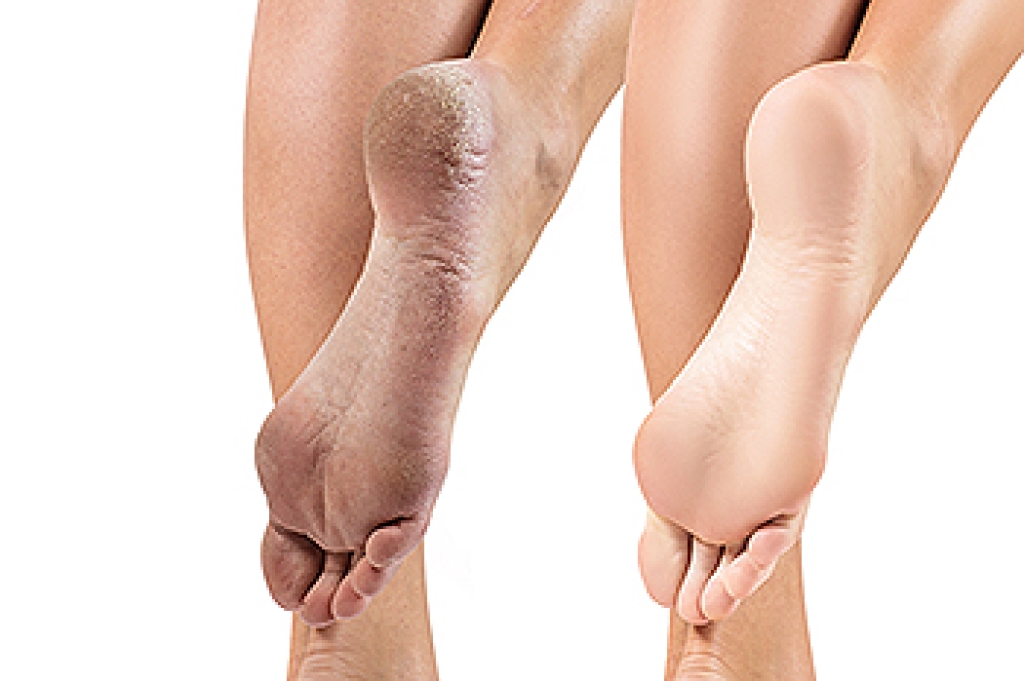
Cracked heels often develop when the skin becomes excessively dry or thick, making it prone to splitting. Factors such as exposure to hot water, harsh soaps, and low humidity can strip the feet of natural oils. Age-related changes like thinning fat pads and reduced skin renewal also make the feet more vulnerable to pressure and dryness. Health conditions, including diabetes, psoriasis, hypothyroidism, obesity, and poor circulation, can reduce the skin’s ability to heal, leading to deep fissures. Vitamin and mineral deficiencies may weaken the skin barrier, which increases the risk of cracks. Daily habits like standing for long periods and wearing ill-fitting shoes place additional stress on the heels. Other lifestyle factors such as smoking and walking barefoot can increase dryness and pressure. Poor foot hygiene, including neglecting regular moisturizing and exfoliation, often contributes to the formation of cracked heels. A podiatrist can diagnose the underlying cause, remove thickened skin, and prescribe medicated creams to address fissures. If you have cracked heels that cause pain, it is suggested that you schedule an appointment with a podiatrist for appropriate treatment.
Cracked heels are unsightly and can cause further damage to your shoes and feet. If you have any concerns, contact Peter Siroka, DPM from Connecticut. Our doctor can provide the care you need to keep you pain-free and on your feet.
Cracked Heels
Cracked heels appear unappealing and can make it harder for you walk around in sandals. Aside from looking unpleasant, cracked heels can also tear stockings, socks, and wear out your shoes. There are several methods to help restore a cracked heel and prevent further damage.
How Do You Get Them?
Dry skin is the number one culprit in creating cracked heels. Many athletes, walkers, joggers, and even swimmers suffer from cracked heels. Age and skin oil production play a role to getting cracked heels as well.
Promote Healing
Over the counter medicines can help, especially for those that need instant relief or who suffer from chronic dry feet.
Wear Socks – Wearing socks with medicated creams helps lock in moisture.
Moisturizers – Applying both day and night will help alleviate dryness which causes cracking.
Pumice Stones – These exfoliate and remove dead skin, which allows for smoother moisturizer application and better absorption into the skin.
Change in Diet
Eating healthy with a well-balanced diet will give the skin a fresh and radiant look. Your body responds to the kinds of food you ingest. Omega-3 fatty acids and zinc supplements can also revitalize skin tissue.
Most importantly, seek professional help if unsure how to proceed in treating cracked heels. A podiatrist will help you with any questions or information needed.
If you have any questions, please feel free to contact our office located in Stamford, CT. We offer the newest diagnostic and treatment technologies for all your foot care needs.
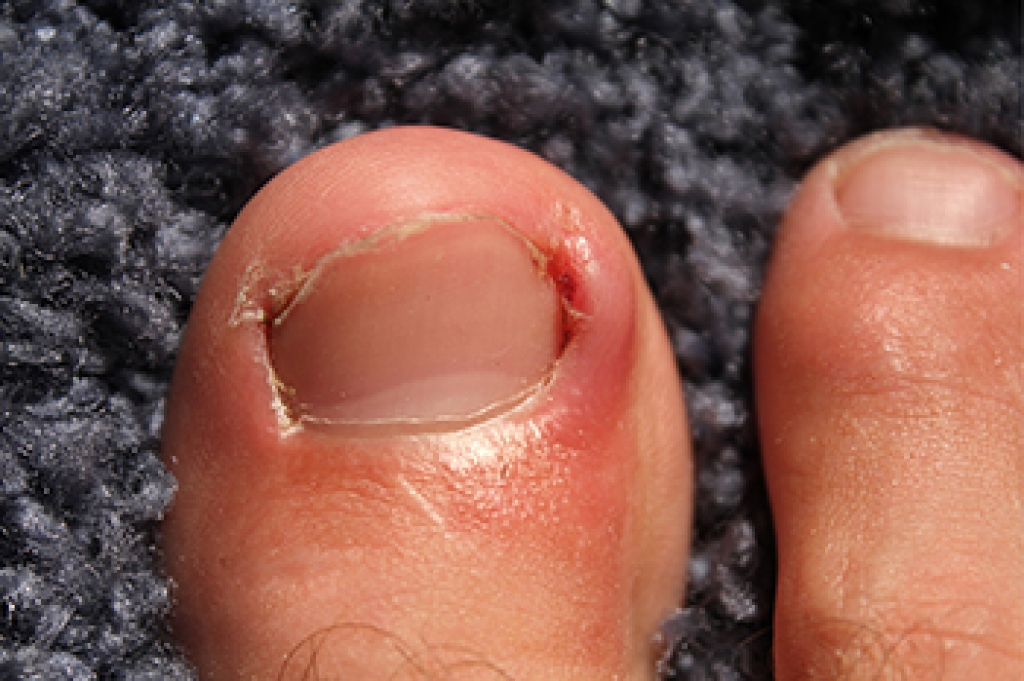
Ingrown toenails occur when the edge of a toenail grows into the surrounding skin, most commonly affecting the big toe. This condition can be caused by improper nail trimming, wearing tight shoes, injury, or genetic factors. People with curved or thick nails may be more prone to developing ingrown toenails. Symptoms include redness, swelling, pain along the nail edge, and sometimes infection with pus or drainage. The area can feel tender, sore, or even throb, making walking or wearing shoes uncomfortable. A podiatrist can evaluate the severity of the condition and provide relief. Treatment options include gently lifting the nail, removing part of the nail, or, in recurrent cases, performing a minor procedure to prevent the nail from growing back improperly. They may also recommend proper foot care techniques and footwear changes to prevent future issues. If you have an ingrown toenail, is suggested that you schedule an appointment to see a podiatrist for appropriate treatment.
Ingrown toenails may initially present themselves as a minor discomfort, but they may progress into an infection in the skin without proper treatment. For more information about ingrown toenails, contact Peter Siroka, DPM of Connecticut. Our doctor can provide the care you need to keep you pain-free and on your feet.
Ingrown Toenails
Ingrown toenails are caused when the corner or side of a toenail grows into the soft flesh surrounding it. They often result in redness, swelling, pain, and in some cases, infection. This condition typically affects the big toe and may recur if it is not treated properly.
Causes
Improper toenail trimming
Genetics
Improper shoe fitting
Injury from pedicures or nail picking
Abnormal gait
Poor hygiene
You are more likely to develop an ingrown toenail if you are obese, have diabetes, arthritis, or have any fungal infection in your nails. Additionally, people who have foot or toe deformities are at a higher risk of developing an ingrown toenail.
Symptoms
Some symptoms of ingrown toenails are redness, swelling, and pain. In rare cases, there may be a yellowish drainage coming from the nail.
Treatment
Ignoring an ingrown toenail can have serious complications. Infections of the nail border can progress to a deeper soft-tissue infection, which can then turn into a bone infection. You should always speak with your podiatrist if you suspect you have an ingrown toenail, especially if you have diabetes or poor circulation.
If you have any questions, please feel free to contact our office located in Stamford, CT. We offer the newest diagnostic and treatment technologies for all your foot care needs.
Second toe pain can result from several underlying conditions that place stress on the front of the foot. One frequent cause is capsulitis, which is the inflammation of the ligament capsule at the base of the second toe. This condition often leads to pain, swelling, and a sensation of instability. Bunions, which form at the base of the big toe, can also contribute by shifting pressure toward the second toe, causing discomfort and alignment changes. Another potential cause is metatarsalgia, a condition marked by inflammation and pain in the ball of the foot due to increased pressure on the metatarsal bones. If you have second toe pain, it is suggested that you consult a podiatrist who can offer relief and management tips.
Toe pain can disrupt your daily activities. If you have any concerns, contact Peter Siroka, DPM of Connecticut. Our doctor can provide the care you need to keep you pain-free and on your feet.
What Causes Toe Pain?
Most severe toe pain is caused due to a sports injury, trauma from dropping something heavy on the toe, or bumping into something rigid. Other problems can develop over time for various reasons.
Toe pain can be caused by one or more ailments. The most common include:
Trauma
Sports injury
Wearing shoes that are too tight
Arthritis
Gout
Corns and calluses
Hammertoe
Bunions
Blisters
Ingrown toenails
Sprains
Fractures (broken bones)
Dislocations
When to See a Podiatrist
Severe pain
Persistent pain that lasts more than a week
Signs of infection
Continued swelling
Pain that prevents walking
Diagnosis
In many cases the cause of toe pain is obvious, but in others, a podiatrist may want to use more advanced methods to determine the problem. These can range from simple visual inspections and sensation tests to X-rays and MRI scans. Prior medical history, family medical history, and any recent physical traumatic events will all be taken into consideration for a proper diagnosis.
Treatment
Treatments for toe pain and injuries vary and may include shoe inserts, padding, taping, medicines, injections, and in some cases, surgery. If you believe that you have broken a toe, please see a podiatrist as soon as possible.
If you have any questions please contact our office located in Stamford, CT. We offer the newest diagnostic and treatment technologies for all your foot and ankle needs.
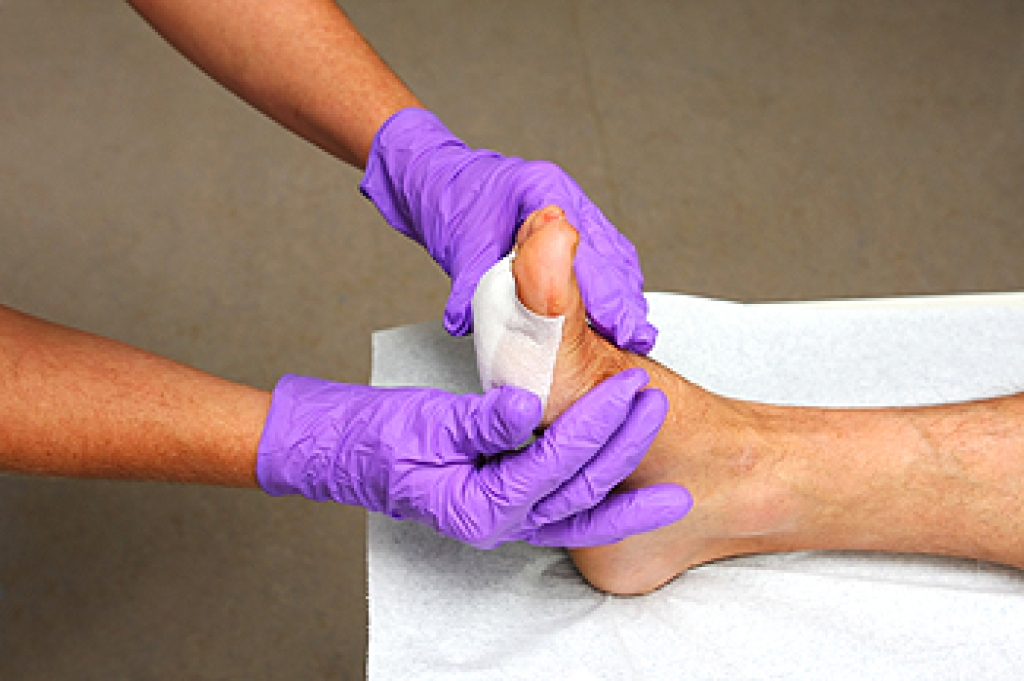
A foot ulcer is an open sore that usually forms on the bottom of the foot, often caused by pressure, friction, or injury. This condition is particularly common in people with diabetes or poor circulation, as high blood sugar and reduced blood flow can slow down the healing process. Foot ulcers can be painful, and if left untreated, they can become infected or worsen over time. Managing a foot ulcer requires careful wound care, including regular cleaning, applying the right dressings, and protecting the area from further injury. It is also important to manage underlying conditions like diabetes by keeping blood sugar levels under control. A podiatrist can help by providing antibiotics if an infection is present, recommending proper footwear, and advising on techniques to offload pressure from the affected area. These steps are key in promoting healing and preventing recurrence. If you have developed a foot ulcer, it is suggested that you make an appointment with a podiatrist for proper care and treatment.
Wound care is an important part in dealing with diabetes. If you have diabetes and a foot wound or would like more information about wound care for diabetics, consult with Peter Siroka, DPM from Connecticut. Our doctor will assess your condition and provide you with quality foot and ankle treatment.
What Is Wound Care?
Wound care is the practice of taking proper care of a wound. This can range from the smallest to the largest of wounds. While everyone can benefit from proper wound care, it is much more important for diabetics. Diabetics often suffer from poor blood circulation which causes wounds to heal much slower than they would in a non-diabetic.
What Is the Importance of Wound Care?
While it may not seem apparent with small ulcers on the foot, for diabetics, any size ulcer can become infected. Diabetics often also suffer from neuropathy, or nerve loss. This means they might not even feel when they have an ulcer on their foot. If the wound becomes severely infected, amputation may be necessary. Therefore, it is of the upmost importance to properly care for any and all foot wounds.
How to Care for Wounds
The best way to care for foot wounds is to prevent them. For diabetics, this means daily inspections of the feet for any signs of abnormalities or ulcers. It is also recommended to see a podiatrist several times a year for a foot inspection. If you do have an ulcer, run the wound under water to clear dirt from the wound; then apply antibiotic ointment to the wound and cover with a bandage. Bandages should be changed daily and keeping pressure off the wound is smart. It is advised to see a podiatrist, who can keep an eye on it.
If you have any questions please contact our office located in Stamford, CT. We offer the newest diagnostic and treatment technologies for all your foot and ankle needs.