Early Diagnosis and Treatment of Rheumatoid Arthritis

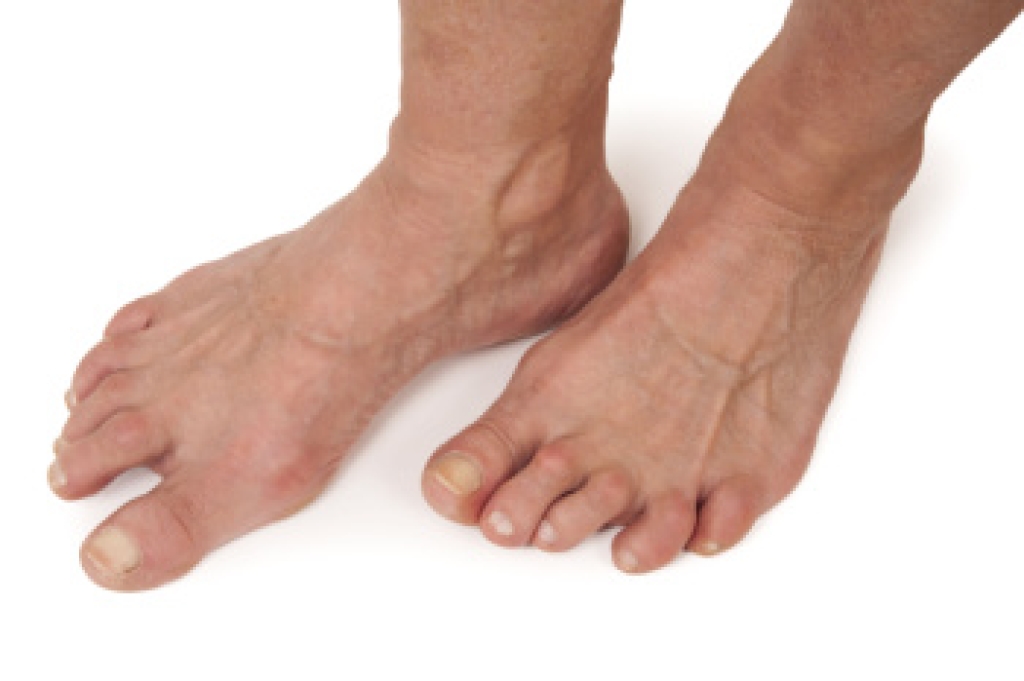
Rheumatoid arthritis, also known as RA, is a prevalent inflammatory condition, affecting up to one percent of the global population. It can develop at any age but is most common in individuals that are between 30 and 50 years old, with significant disability implications. Genetic factors play a substantial role, with approximately half the risk attributable to genetic predisposition, including specific human leukocyte antigen associations. Smoking is a major environmental trigger. RA primarily affects joints, leading to synovial inflammation, cartilage damage, and bone erosion. Symptoms include joint pain, stiffness, and swelling, often affecting the toes of the feet. Morning stiffness lasting over an hour is a hallmark sign. If you have discomfort in your feet from RA, it is suggested that you schedule an appointment with a podiatrist, as prompt diagnosis is essential for early intervention and management to mitigate joint damage and preserve joint function.

Because RA affects more than just your joints, including the joints in your feet and ankles, it is important to seek early diagnosis from your podiatrist if you feel like the pain in your feet might be caused by RA. For more information, contact Peter Siroka, DPM of Connecticut. Our doctor will assist you with all of your podiatric concerns.

What Is Rheumatoid Arthritis?

Rheumatoid Arthritis (RA) is an autoimmune disorder in which the body’s own immune system attacks the membranes surrounding the joints. Inflammation of the lining and eventually the destruction of the joint’s cartilage and bone occur, causing severe pain and immobility.

Rheumatoid Arthritis of the Feet

Although RA usually attacks multiple bones and joints throughout the entire body, almost 90 percent of cases result in pain in the foot or ankle area.

Symptoms

  • Swelling and pain in the feet
  • Stiffness in the feet
  • Pain on the ball or sole of feet
  • Joint shift and deformation

Diagnosis

Quick diagnosis of RA in the feet is important so that the podiatrist can treat the area effectively. Your doctor will ask you about your medical history, occupation, and lifestyle to determine the origin of the condition. Rheumatoid Factor tests help to determine if someone is affected by the disease.

If you have any questions, please feel free to contact our office located in Stamford, CT . We offer the newest diagnostic and treatment technologies for all your foot care needs.

Read more about Rheumatoid Arthritis in the Feet

Are You Suffering From Nerve Damage?

Neuropathy is a condition that can lead to numbness or loss of sensation in the feet, but it can also cause pain. This condition is more likely to develop for those who are diabetic, obese, or with high blood pressure.

Essential Considerations for Purchasing Running Shoes

Selecting the right pair of running shoes is vital for both comfort and performance. Start by understanding your foot type and running gait, as this will influence the type of shoe you need. Consider factors such as arch height, pronation, and foot width to determine the appropriate level of support and cushioning. Next, prioritize fit, and your running shoes should feel snug but not constrictive, with ample room in the toe box to prevent discomfort and injuries such as black toenails or blisters. Look for shoes with breathable materials to promote airflow and prevent moisture buildup, reducing the risk of fungal infections. Additionally, consider the terrain and distance you'll be running, as different shoes are designed for various surfaces and distances. Finally, it is beneficial to include durability and quality in your shoe choice. This can consist of investing in well-constructed shoes from reputable brands to ensure longevity and support for your running endeavors. By carefully considering these factors, you can find the perfect pair of running shoes to support your fitness journey and enhance your running experience. If you are seeking additional knowledge about what to look for in running shoes, it is suggested that you consult a podiatrist who can provide you with pertinent information.

If you are a runner, wearing the right running shoe is essential. For more information, contact Peter Siroka, DPM from Connecticut. Our doctor can provide the care you need to keep you pain-free and on your feet.

Choosing the Right Running Shoe for Your Foot Type

To increase performance and avoid the risk of injury, it is important to choose the right running shoe based on your foot type. The general design of running shoes revolves around pronation, which is how the ankle rolls from outside to inside when the foot strikes the ground.

  • Neutral runners are able to choose from a wide variety of shoes, including minimalist shoes or even going barefoot.
  • Runners who overpronate, or experience an over-abundance of ankle rolling, should choose shoes that provide extra motion control and stability.
  • Runners who underpronate, or supinate, have feet that have high arches and lack flexibility, preventing shock absorption. They require shoes with more flexibility and cushion.

If you have any questions, please feel free to contact our office located in Stamford, CT . We offer the newest diagnostic and treatment technologies for all your foot care needs.
Read more about Choosing the Right Running Shoe for Your Foot Type

Factors Behind a Fractured Pinky Toe

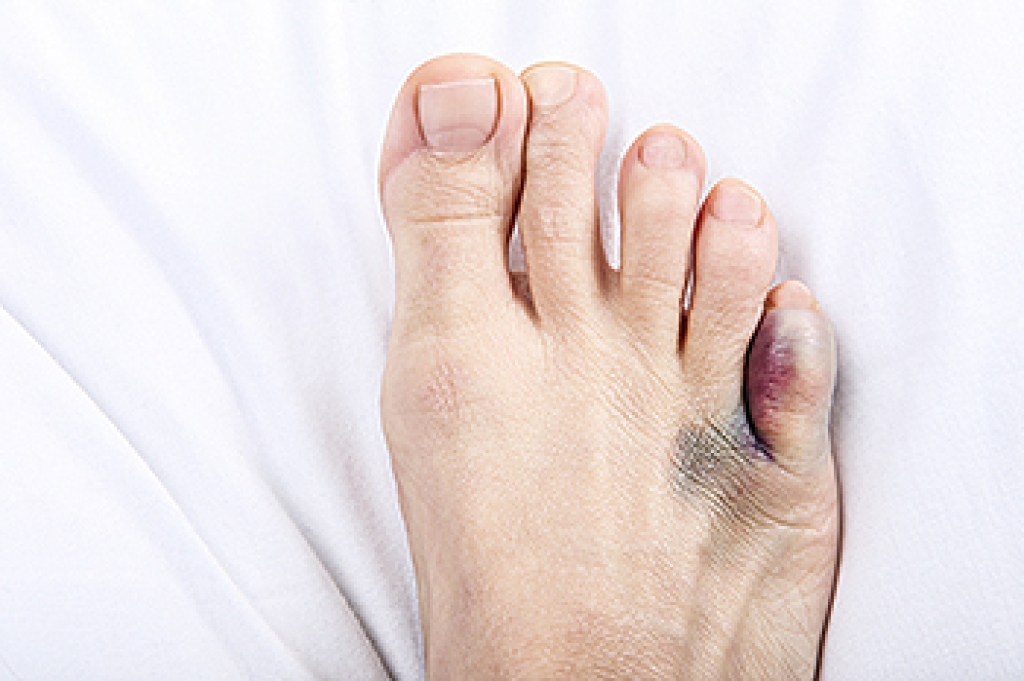
A broken pinky toe, though seemingly inconsequential, can result from a variety of unsuspecting factors. Accidental trauma, a common instigator, occurs when the toe collides with a hard surface or is subjected to sudden impact, often during missteps or collisions. Stubbing the toe, a seemingly minor occurrence, can also lead to fractures due to the vulnerability of the small bones in the pinky toe. Inadequate footwear, such as flip flops, provides little protection and leaves the toe vulnerable to injuries. Certain sports activities, where rapid direction changes or forceful impacts are common, increase the risk of pinky toe fractures. Additionally, underlying conditions such as osteoporosis, which weakens bones, may exacerbate the susceptibility to fractures. If you have endured a broken pinky toe, it is suggested that you visit a podiatrist who can offer the treatment options that are correct for you.

Broken toes may cause a lot of pain and should be treated as soon as possible. If you have any concerns about your feet, contact Peter Siroka, DPM from Connecticut. Our doctor will treat your foot and ankle needs.

What Is a Broken Toe?

A broken toe occurs when one or more of the toe bones of the foot are broken after an injury. Injuries such as stubbing your toe or dropping a heavy object on it may cause a toe fracture.

Symptoms of a Broken Toe

  • Swelling
  • Pain (with/without wearing shoes)
  • Stiffness
  • Nail Injury

Although the injured toe should be monitored daily, it is especially important to have a podiatrist look at your toe if you have severe symptoms. Some of these symptoms include worsening or new pain that is not relieved with medication, sores, redness, or open wounds near the toe.

If you have any questions please feel free to contact our office located in Stamford, CT . We offer the newest diagnostic tools and technology to treat your foot and ankle needs.

Read more about What to Know About a Broken Toe

Causes of Gout and How It Is Diagnosed

Gout, a form of inflammatory arthritis, develops when there is an excess buildup of uric acid in the body, leading to the formation of needle-like crystals in the joints. The primary cause of gout lies in the body's inability to metabolize uric acid efficiently, resulting in its accumulation. Dietary factors, such as consuming purine-rich foods like organ meats and certain seafood contribute to elevated uric acid levels. Additionally, genetic predispositions and underlying health conditions, such as kidney dysfunction, may increase the risk of gout. Diagnosis involves a comprehensive examination by podiatrists, considering symptoms like sudden, intense joint pain, swelling, and redness. Blood tests may be conducted to measure uric acid levels, and imaging studies such as X-rays or ultrasound can aid in visualizing joint damage. If you have been afflicted with gout, it is strongly suggested that you are under the care of a podiatrist who can help you to successfully manage this condition.

Gout is a foot condition that requires certain treatment and care. If you are seeking treatment, contact Peter Siroka, DPM from Connecticut. Our doctor will treat your foot and ankle needs.

What Is Gout?

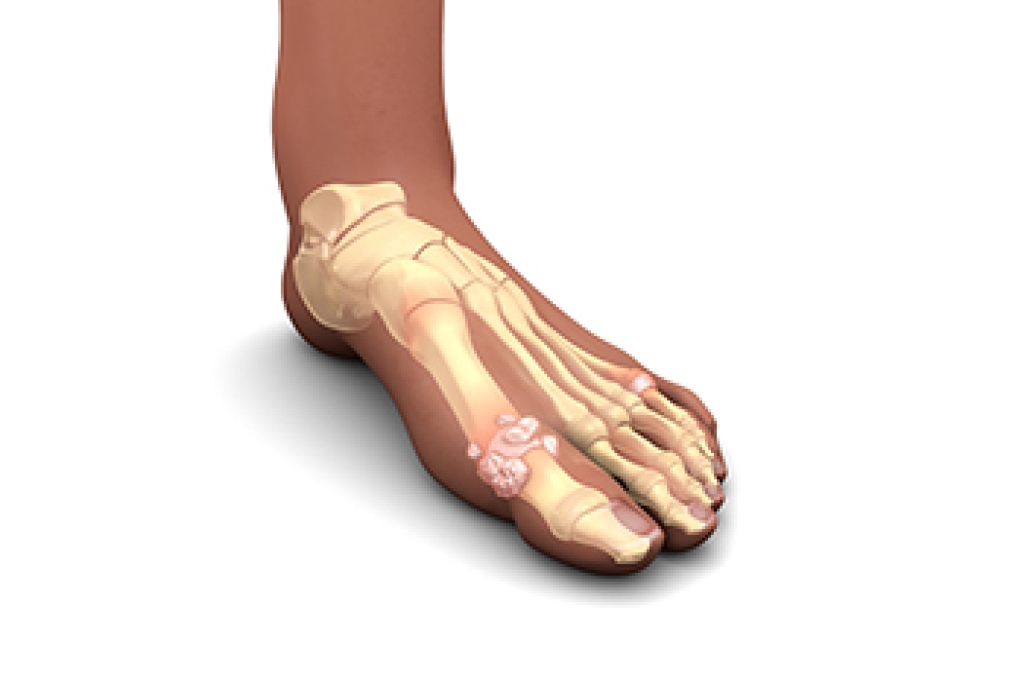
Gout is a type of arthritis caused by a buildup of uric acid in the bloodstream. It often develops in the foot, especially the big toe area, although it can manifest in other parts of the body as well. Gout can make walking and standing very painful and is especially common in diabetics and the obese.

People typically get gout because of a poor diet. Genetic predisposition is also a factor. The children of parents who have had gout frequently have a chance of developing it themselves.

Gout can easily be identified by redness and inflammation of the big toe and the surrounding areas of the foot. Other symptoms include extreme fatigue, joint pain, and running high fevers. Sometimes corticosteroid drugs can be prescribed to treat gout, but the best way to combat this disease is to get more exercise and eat a better diet.

If you have any questions, please feel free to contact our office located in Stamford, CT . We offer the newest diagnostic and treatment technologies for all your foot care needs.
Read more about Everything You Need to Know About Gout

How Is Hammertoe Diagnosed?

Hammertoe, a common toe deformity, occurs when there is an imbalance in the muscles, tendons, or ligaments responsible for keeping the toe straight. This leads to a bending or curling of the toe, resembling a hammer. Identifying hammertoe involves a comprehensive understanding of its characteristic symptoms, which include abnormal bending at the joints, corns or calluses due to friction against footwear, and discomfort during movement. Diagnosing hammertoe typically begins with a physical examination by a podiatrist who assesses the toe's appearance and mobility. An X-ray may be employed to determine the severity and underlying causes, such as arthritis or joint inflammation. Timely recognition allows for tailored interventions, ranging from lifestyle adjustments to surgical options, ensuring effective management and relief from the challenges posed by hammertoe. If you are afflicted with hammertoe, it is strongly suggested that you are under the care of a podiatrist who can determine the best course of treatment for you.

Hammertoes can be a painful condition to live with. For more information, contact Peter Siroka, DPM of Connecticut. Our doctor will answer any of your foot- and ankle-related questions.

Hammertoe

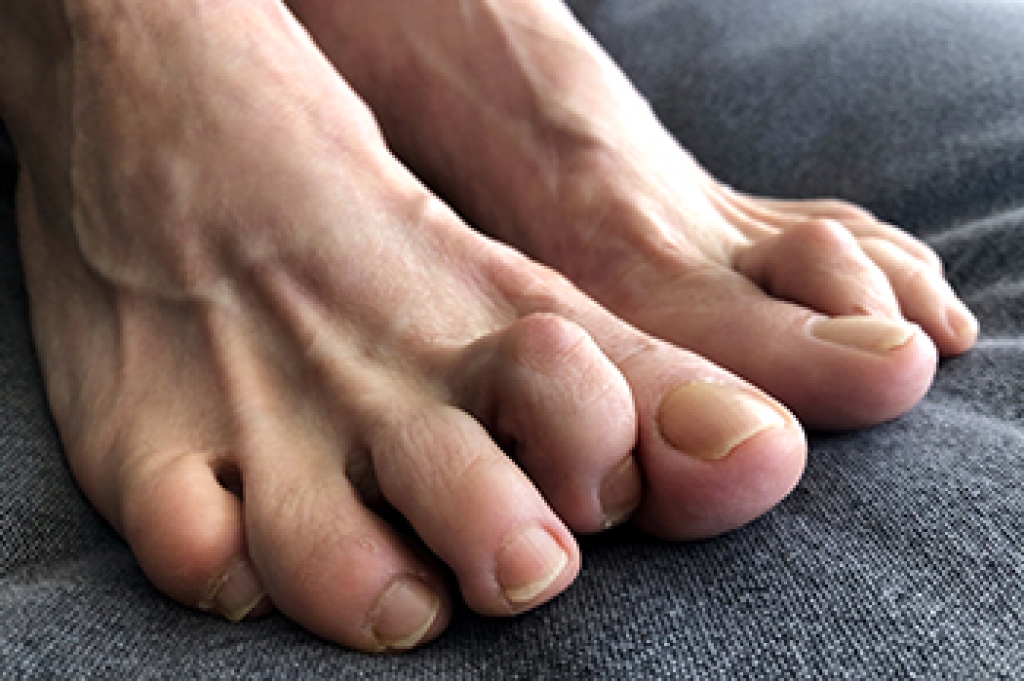
Hammertoe is a foot deformity that occurs due to an imbalance in the muscles, tendons, or ligaments that normally hold the toe straight. It can be caused by the type of shoes you wear, your foot structure, trauma, and certain disease processes.

Symptoms

  • Painful and/or difficult toe movement
  • Swelling
  • Joint stiffness
  • Calluses/Corns
  • Physical deformity

Risk Factors

  • Age – The risk of hammertoe increases with age
  • Sex – Women are more likely to have hammertoe compared to men
  • Toe Length – You are more likely to develop hammertoe if your second toe is longer than your big toe
  • Certain Diseases – Arthritis and diabetes may make you more likely to develop hammertoe

Treatment

If you have hammertoe, you should change into a more comfortable shoe that provides enough room for your toes. Exercises such as picking up marbles may strengthen and stretch your toe muscles. Nevertheless, it is important to seek assistance from a podiatrist in order to determine the severity of your hammertoe and see which treatment option will work best for you.

If you have any questions, please feel free to contact our office located in Stamford, CT . We offer the newest diagnostic and treatment technologies for all your foot care needs.
Read more about Hammertoe

Let the Expert Treat Your Ingrown Toenails

Ingrown toenails can be painful and can make wearing shoes or walking uncomfortable. Seek professional help if you believe you've developed an ingrown toenail and be treated safely. 

Managing Heel Fissures

Heel fissures, or cracked skin on the heels, develop when the feet lack adequate moisture. This can lead to the development of painful cracks and dry patches on the outer edge of the heels. While heel fissures are often perceived as a cosmetic concern, they can escalate into more serious health conditions, underscoring the importance of timely treatment. Common causes of heel fissures include wearing open-backed shoes, living in dry climates, walking barefoot, obesity, and having inactive sweat glands. In cases of persistent or severe fissures, seeking professional help from a podiatrist is suggested. Treatment measures can provide a comprehensive approach to alleviate discomfort and expedite the healing process. The danger of heel fissures is particularly important for diabetic people and patients with neuropathy and should not be ignored. If you have developed seriously cracked heels that are bleeding or may have become infected, it is suggested that you schedule an appointment with a podiatrist as quickly as possible for an exam and treatment. 

If the skin on your feet starts to crack, you may want to see a podiatrist to find treatment. If you have any concerns, contact Peter Siroka, DPM from Connecticut. Our doctor can provide the care you need to keep you pain-free and on your feet.

Cracked Heels

It is important to moisturize your cracked heels in order to prevent pain, bleeding, and infection. The reason cracked heels form is because the skin on the foot is too dry to support the immense pressure placed on them. When the foot expands, the dry skin on the foot begins to split.

Ways to Help Heal Them

  • Invest in a good foot cream
  • Try Using Petroleum Jelly
  • Ease up on Soaps
  • Drink Plenty of Water

Ways to Prevent Cracked Heels

  • Moisturize After Showering
  • Skip a Shower
  • Keep Shower Water Lukewarm
  • Don’t Scrub Your Feet

If you are unsure how to proceed in treating cracked heels, seek guidance from a podiatrist. Your doctor will help you with any questions or information you may need. 

If you have any questions, please feel free to contact our office located in Stamford, CT . We offer the newest diagnostic and treatment technologies for all your foot care needs.

Read more about Solutions for Cracked Heels

Foot Care Tips for Athletes

Ensuring your feet are in top shape is paramount for athletes who aim to maximize their performance. Here are a few tips that can help athletes avoid injuries. When selecting workout shoes, prioritize support, stability, and cushioning. Avoid wearing ill-fitting options that may look pretty but can cause discomfort, pain, and pressure. Take the time to try different types and sizes until you find the perfect pair. Enhance protection with blister prevention spray for added comfort during workouts. Socks are more than just an accessory. Choose moisture-wicking options to keep feet clean and dry, thus preventing exposure to fungus and bacteria. To prevent foot injuries, be mindful of overexertion and listen to your body's limits. Incorporate strengthening exercises like yoga or try toe stretchers for a relaxing foot yoga session. Proactively address foot pain with gentle stretches, warm-ups, and cool-downs. Maintain foot hygiene by washing and drying your feet daily, using cleansing towelettes, and spritzing with odor elimination spray pre- and post-workout. If you are experiencing foot or ankle problems related to sports or exercise, it is suggested that you schedule an appointment with a podiatrist.

All runners should take extra precaution when trying to avoid injury. If you have any concerns about your feet, contact Peter Siroka, DPM of Connecticut. Our doctor will treat your foot and ankle needs.

How to Prevent Running Injuries

There are a lot of mistakes a runner can make prior to a workout that can induce injury. A lot of athletes tend to overstretch before running, instead of saving those workouts for a post-run routine. Deep lunges and hand-to-toe hamstring pulls should be performed after a workout instead of during a warmup. Another common mistake is jumping into an intense routine before your body is physically prepared for it. You should try to ease your way into long-distance running instead of forcing yourself to rush into it.

More Tips for Preventing Injury

  • Incorporate Strength Training into Workouts - This will help improve the body’s overall athleticism
  • Improve and Maintain Your Flexibility – Stretching everyday will help improve overall performance
  • “Warm Up” Before Running and “Cool Down” Afterward – A warm up of 5-10 minutes helps get rid of lactic acid in the muscles and prevents delayed muscle soreness
  • Cross-Training is Crucial
  • Wear Proper Running Shoes
  • Have a Formal Gait Analysis – Poor biomechanics can easily cause injury

If you have any questions, please feel free to contact our office located in Stamford, CT . We offer the newest diagnostic and treatment technologies for all your foot care needs.

Read more about Preventing Running Injuries

Foot Stretching May Help to Maintain Flexibility

Cultivating flexibility in the feet is a fundamental, yet often overlooked, aspect of maintaining overall foot health and preventing injuries. Stretching the feet not only enhances their range of motion but also helps in strengthening the muscles and tendons, thereby reducing the risk of injuries. Incorporating regular foot stretches into one's routine can contribute to improved flexibility, aiding the foot's adaptability to various movements. Flexible feet are better equipped to absorb shock and distribute pressure evenly during activities, mitigating the strain on joints and reducing the likelihood of injuries, such as sprains or stress fractures. Stretching exercises also promote better circulation and alleviate muscle tightness, fostering a more resilient foundation for the entire body. For information on foot stretches and how to perform them, it is suggested that you confer with a podiatrist.

Stretching the feet is a great way to prevent injuries. If you have any concerns with your feet consult with Peter Siroka, DPM from Connecticut. Our doctor will assess your condition and provide you with quality foot and ankle treatment.

Stretching the Feet

Stretching the muscles in the foot is an important part in any physical activity. Feet that are tight can lead to less flexibility and make you more prone to injury. One of the most common forms of foot pain, plantar fasciitis, can be stretched out to help ease the pain. Stretching can not only ease pain from plantar fasciitis but also prevent it as well. However, it is important to see a podiatrist first if stretching is right for you. Podiatrists can also recommend other ways to stretch your feet. Once you know whether stretching is right for you, here are some excellent stretches you can do.

  • Using a foam roller or any cylindrical object (a water bottle or soda can will do), roll the object under your foot back and forth. You should also exert pressure on the object. Be sure to do this to both feet for a minute. Do this exercise three times each.
  • Similar to the previous one, take a ball, such as a tennis ball, and roll it under your foot while seated and exert pressure on it.
  • Grab a resistance band or towel and take a seat. If you are using a towel, fold it length wise. Next put either one between the ball of your foot and heel and pull with both hands on each side towards you. Hold this for 15 seconds and then switch feet. Do this three times for each foot.
  • Finally hold your big toe while crossing one leg over the other. Pull the toe towards you and hold for 15 seconds. Once again do this three times per foot.

It is best to go easy when first stretching your foot and work your way up. If your foot starts hurting, stop exercising and ice and rest the foot. It is advised to then see a podiatrist for help.

If you have any questions please contact our office located in Stamford, CT . We offer the newest diagnostic and treatment technologies for all your foot and ankle needs.

Read more about Stretching Your Feet

Connect With Us

scroll to top