
Several Reasons Heel Pain Can Develop

The heel is an interesting part of the foot. It is a cushioned area that is formed with fatty tissue and is able to hold the weight of the body. Patients may experience heel pain for various reasons. These can include frequently standing or walking on hard surfaces, becoming obese, or if a foot injury has occurred. The condition that is known as plantar fasciitis affects the heel and can be painful. It can happen as a result of an irritated plantar fascia, which is the portion of tissue on the sole of the foot that connects the heel to the toes. This can become injured or torn, and medical attention is often sought for relief. Heel pain can also happen from wearing shoes that do not fit correctly, or if a heel spur has developed. If you have heel pain, it is strongly suggested that you consult a podiatrist who can correctly determine what the cause is, and offer effective treatment options.

Many people suffer from bouts of heel pain. For more information, contact Peter Siroka, DPM of Connecticut. Our doctor can provide the care you need to keep you pain-free and on your feet.

Causes of Heel Pain

Heel pain is often associated with plantar fasciitis. The plantar fascia is a band of tissues that extends along the bottom of the foot. A rip or tear in this ligament can cause inflammation of the tissue.

Achilles tendonitis is another cause of heel pain. Inflammation of the Achilles tendon will cause pain from fractures and muscle tearing. Lack of flexibility is also another symptom.

Heel spurs are another cause of pain. When the tissues of the plantar fascia undergo a great deal of stress, it can lead to ligament separation from the heel bone, causing heel spurs.

Why Might Heel Pain Occur?

  • Wearing ill-fitting shoes                
  • Wearing non-supportive shoes
  • Weight change           
  • Excessive running

Treatments

Heel pain should be treated as soon as possible for immediate results. Keeping your feet in a stress-free environment will help. If you suffer from Achilles tendonitis or plantar fasciitis, applying ice will reduce the swelling. Stretching before an exercise like running will help the muscles. Using all these tips will help make heel pain a condition of the past.

If you have any questions, please feel free to contact our office located in Stamford, CT . We offer the newest diagnostic and treatment technologies for all your foot care needs.


Read more about Heel Pain

Heel Blisters

Sometimes, when an individual purchases a new pair of shoes and wears them for the first time, a blister can develop on the back of their heels where the material rubs up against the skin. Although blisters can sometimes be small, they can cause a person great discomfort and pain. Heel blisters form essentially because of the friction against the skin. This is why it is essential for individuals to ensure that they are purchasing footwear that fits correctly in the first place. Shoes ought to be spacious enough that the toes and heels have sufficient room. However, shoes should not be so big that the feet ultimately fall out of the shoes. If you are someone that is currently struggling with blisters, it is suggested that you schedule an appointment with a podiatrist today about any potential treatment and prevention plans.

Blisters are prone to making everyday activities extremely uncomfortable. If your feet are hurting, contact Peter Siroka, DPM of Connecticut. Our doctor can provide the care you need to keep you pain-free and on your feet.

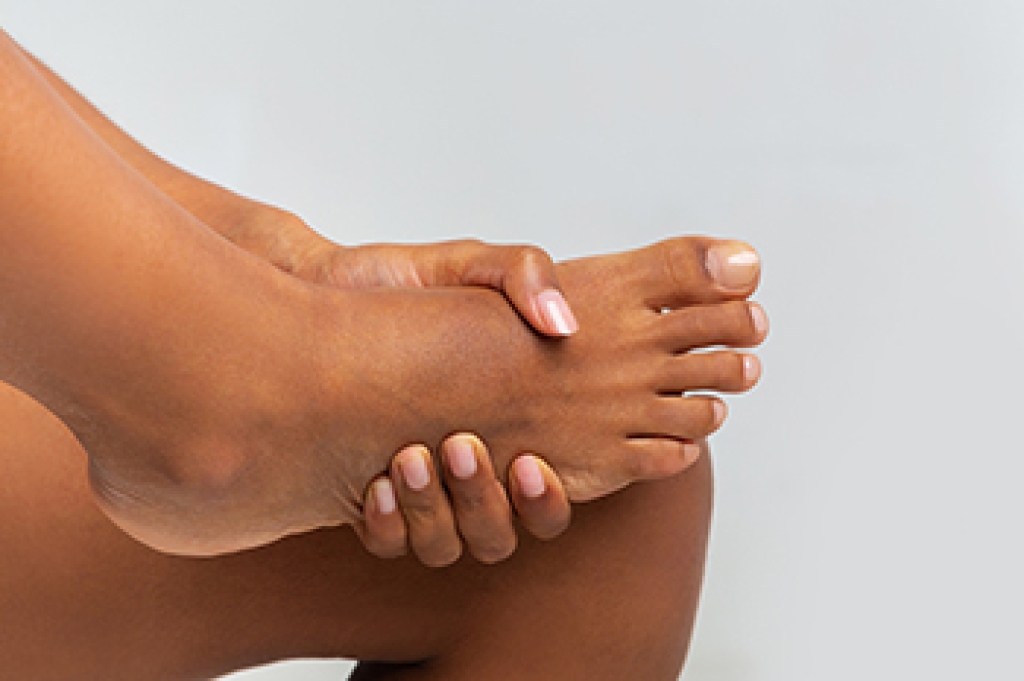
Foot Blisters

Foot blisters develop as a result of constantly wearing tight or ill-fitting footwear. This happens due to the constant rubbing from the shoe, which can often lead to pain.

What Are Foot Blisters?

A foot blister is a small fluid-filled pocket that forms on the upper-most layer of the skin. Blisters are filled with clear fluid and can lead to blood drainage or pus if the area becomes infected.

How Do Blisters Form?

Blisters on the feet are often the result of constant friction of skin and material, usually by shoe rubbing. Walking in sandals, boots, or shoes that don’t fit properly for long periods of time can result in a blister. Having consistent foot moisture and humidity can easily lead to blister formation.

Prevention & Treatment

It is important to properly care for the affected area in order to prevent infection and ease the pain. Do not lance the blister and use a Band-Aid to provide pain relief. Also, be sure to keep your feet dry and wear proper fitting shoes. If you see blood or pus in a blister, seek assistance from a podiatrist.

If you have any questions, please feel free to contact our office located in Stamford, CT . We offer the newest diagnostic and treatment technologies for all your foot care needs.
Read more about Blisters

How Is a Broken Ankle Diagnosed?

There is no doubting what happens when a broken ankle occurs. This foot condition happens suddenly and is accompanied by extreme pain and discomfort. It is often difficult, if not impossible, to walk, and immediate medical attention is often sought for relief. The ankle is composed of three bones. The tibia is the large bone in the lower leg, referred to as the shinbone. The calf bone is called the fibula and is the smaller bone in the lower leg. The bone found between the heel bone, tibia, and fibula is known as the talus, and any of these bones can be fractured in the ankle. A diagnosis is often performed that can consist of having an X-ray taken, which successfully determines the severity of the injury. It is beneficial to keep weight off the foot as much as possible and wear a protective boot or cast. Many people use crutches to help provide mobility until the healing process has been completed. If you have broken your ankle, it is suggested that you contact a podiatrist as quickly as possible who can effectively treat this condition.

Broken ankles need immediate treatment. If you are seeking treatment, contact Peter Siroka, DPM from Connecticut. Our doctor can provide the care you need to keep you pain-free and on your feet. 

Broken Ankles
A broken ankle is experienced when a person fractures their tibia or fibula in the lower leg and ankle area. Both of these bones are attached at the bottom of the leg and combine to form what we know to be our ankle.

When a physician is referring to a break of the ankle, he or she is usually referring to a break in the area where the tibia and fibula are joined to create our ankle joint. Ankles are more prone to fractures because the ankle is an area that suffers a lot of pressure and stress. There are some obvious signs when a person experiences a fractured ankle, and the following symptoms may be present.

Symptoms of a Fractured Ankle

  • Excessive pain when the area is touched or when any pressure is placed on the ankle
  • Swelling around the area
  • Bruising of the area
  • Area appears to be deformed

If you suspect an ankle fracture, it is recommended to seek treatment as soon as possible. The sooner you have your podiatrist diagnose the fracture, the quicker you’ll be on the way towards recovery.

If you have any questions, please feel free to contact our office located in Stamford, CT . We offer the newest diagnostic and treatment technologies for all your foot care needs.

Read more about All About Broken Ankles

Relief for Sore Feet

Given the importance of our feet in getting through life comfortably and maintaining independence, it is wise to practice good foot care. There are things that can be done on a regular basis that can rejuvenate the feet. These can include taking a warm foot bath to relieve sore, aching muscles, and performing stretching and strengthening exercises to prevent cramping. Additionally, regular stretching may improve flexibility and foot strength. Having foot massages done may help to relieve soreness and improve circulation. Wearing shoes that fit well and are appropriate for the activities that are practiced can also help to keep the feet stable while standing and walking, in addition to possibly eliminating pain. If you have injured your foot or you are experiencing chronic foot pain, it is suggested that you visit a podiatrist who can diagnose the reason, and provide correct treatment options.

Foot Pain

Foot pain can be extremely painful and debilitating. If you have a foot pain, consult with Peter Siroka, DPM from Connecticut. Our doctor will assess your condition and provide you with quality foot and ankle treatment.

Causes

Foot pain is a very broad condition that could be caused by one or more ailments. The most common include:

  • Bunions
  • Hammertoes
  • Plantar Fasciitis
  • Bone Spurs
  • Corns
  • Tarsal Tunnel Syndrome
  • Ingrown Toenails
  • Arthritis (such as Gout, Rheumatoid, and Osteoarthritis)
  • Flat Feet
  • Injury (from stress fractures, broken toe, foot, ankle, Achilles tendon ruptures, and sprains)
  • And more

Diagnosis

To figure out the cause of foot pain, podiatrists utilize several different methods. This can range from simple visual inspections and sensation tests to X-rays and MRI scans. Prior medical history, family medical history, and any recent physical traumatic events will all be taken into consideration for a proper diagnosis.

Treatment

Treatment depends upon the cause of the foot pain. Whether it is resting, staying off the foot, or having surgery; podiatrists have a number of treatment options available for foot pain.

If you have any questions, please feel free to contact our office located in Stamford, CT . We offer the newest diagnostic and treatment technologies for all your foot care needs.

Read more about Foot Pain

Get Proper Treatment for Ankle Injuries

If you're experiencing ankle pain, you may be suffering from an ankle injury. Sprains, fractures, Achilles tendonitis, and Achilles tendon ruptures are just some examples of potential ankle injuries. Don't wait for care for an ankle injury, as it may worsen over time. We can help!

How Did I Get a Corn On My Foot?

A small, thickened area of skin on the foot may be a corn. It can cause severe pain, despite its small size. A corn develops as a result of excess friction that generally comes from wearing socks or shoes that are too tight. Frequent rubbing against the shoe can cause a corn to form on the pinky toe or top of the toes. Many people who have a corn notice their walking style shifts to accommodate for the discomfort felt. In addition to wearing shoes and socks that do not fit well, a corn can happen if the toe is deformed or if there is poor bone alignment. Mild relief may be found when the foot is soaked in warm water as this may help to soften the corn. At this point, a pumice stone may be used to gently file the corn down, although this is a temporary solution. If you have a corn on your foot, it is suggested that you visit a podiatrist who can remove it and provide methods to prevent future corns from developing.

Corns can make walking very painful and should be treated immediately. If you have questions regarding your feet and ankles, contact Peter Siroka, DPM of Connecticut. Our doctor will treat your foot and ankle needs.

Corns: What Are They? And How Do You Get Rid of Them?
Corns are thickened areas on the skin that can become painful. They are caused by excessive pressure and friction on the skin. Corns press into the deeper layers of the skin and are usually round in shape.

Ways to Prevent Corns
There are many ways to get rid of painful corns such as:

  • Wearing properly fitting shoes that have been measured by a professional
  • Wearing shoes that are not sharply pointed or have high heels
  • Wearing only shoes that offer support

Treating Corns

Although most corns slowly disappear when the friction or pressure stops, this isn’t always the case. Consult with your podiatrist to determine the best treatment option for your case of corns.

If you have any questions, please feel free to contact our office located in Stamford, CT . We offer the newest diagnostic and treatment technologies for all your foot care needs.

Read more about Everything You Need to Know About Corns

Why Does My Big Toe Hurt?

There are various reasons why pain in the big toe can happen. The foot condition that is known as gout causes sharp pain in the joints of the big toe. Many people notice the pain can begin at night, and happens as a result of excess uric acid that collects in the toe joints. Having an ingrown toenail can cause intense toe pain. This condition occurs when the nail grows into the skin of the side of the toe instead of over it, and can be accompanied by swelling, redness, and tenderness. The ligaments in the toe are affected when turf toe happens, and can be a common injury among athletes. A bony lump that forms on the side of the big toe may indicate a bunion has developed. The gradual movement of this toe may cause the other toes to shift toward each other, and larger shoes may need to be purchased. If you have toe pain, it is suggested that you confer with a podiatrist who can determine the cause and offer effective treatment solutions. 

Toe pain can disrupt your daily activities. If you have any concerns, contact Peter Siroka, DPM of Connecticut. Our doctor can provide the care you need to keep you pain-free and on your feet.

What Causes Toe Pain?

Most severe toe pain is caused due to a sports injury, trauma from dropping something heavy on the toe, or bumping into something rigid. Other problems can develop over time for various reasons.

Toe pain can be caused by one or more ailments. The most common include:

  • Trauma
  • Sports injury
  • Wearing shoes that are too tight
  • Arthritis
  • Gout
  • Corns and calluses
  • Hammertoe
  • Bunions
  • Blisters
  • Ingrown toenails
  • Sprains
  • Fractures (broken bones)
  • Dislocations

When to See a Podiatrist

  • Severe pain
  • Persistent pain that lasts more than a week
  • Signs of infection
  • Continued swelling
  • Pain that prevents walking

Diagnosis

In many cases the cause of toe pain is obvious, but in others, a podiatrist may want to use more advanced methods to determine the problem. These can range from simple visual inspections and sensation tests to X-rays and MRI scans. Prior medical history, family medical history, and any recent physical traumatic events will all be taken into consideration for a proper diagnosis.

Treatment

Treatments for toe pain and injuries vary and may include shoe inserts, padding, taping, medicines, injections, and in some cases, surgery. If you believe that you have broken a toe, please see a podiatrist as soon as possible.

If you have any questions please contact our office located in Stamford, CT . We offer the newest diagnostic and treatment technologies for all your foot and ankle needs.

Read more about Toe Pain

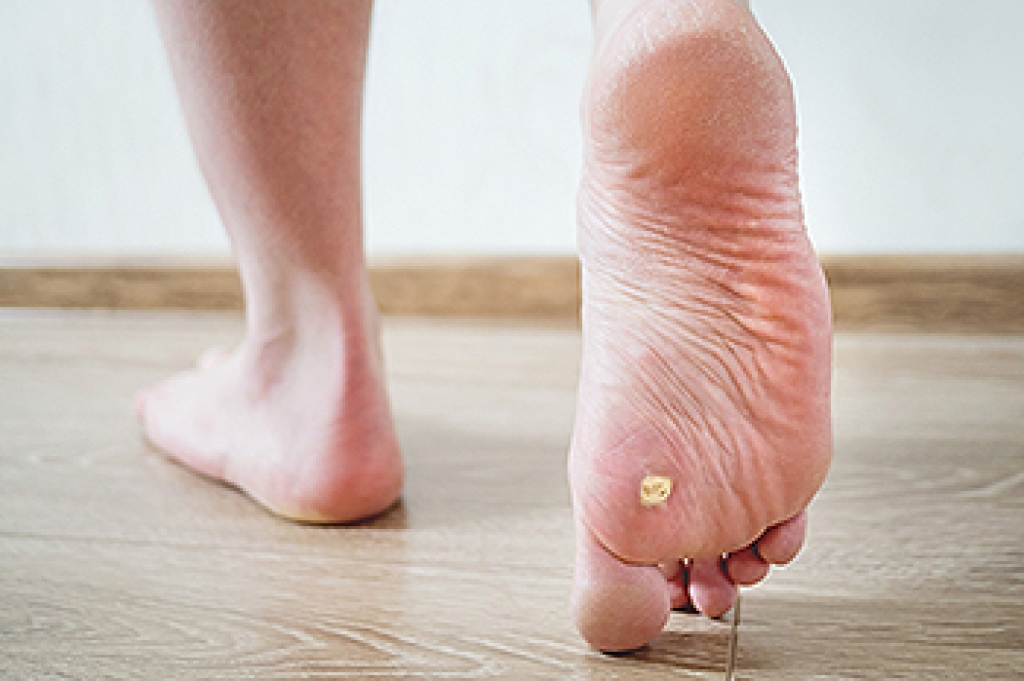
Painful Plantar Warts

People who are afflicted with plantar warts may have difficulty walking. These growths are found on the soles of the feet and can cause severe pain and discomfort. This is a result of the consistent weight the feet endure while walking and standing during the day. Plantar warts are caused by a virus that is known as the human papillomavirus, or HPV. This virus is contagious, and lives in warm and moist environments. These can consist of public swimming pools, locker rooms, and shower room floors. It is beneficial to wear appropriate shoes while in these areas, such as flip flops or water shoes. This type of wart will generally take several weeks or months to completely disappear. Many patients seek treatment to relieve the pain, which may include removal for faster relief. If you have a plantar wart, it is suggested that you speak to a podiatrist who can guide you toward the treatment that is correct for you.

Plantar warts can be very uncomfortable. If you need your feet checked, contact Peter Siroka, DPM from Connecticut. Our doctor will assist you with all of your foot and ankle needs.

About Plantar Warts

Plantar warts are the result of HPV, or human papillomavirus, getting into open wounds on the feet. They are mostly found on the heels or balls of the feet.

While plantar warts are generally harmless, those experiencing excessive pain or those suffering from diabetes or a compromised immune system require immediate medical care. Plantar warts are easily diagnosed, usually through scraping off a bit of rough skin or by getting a biopsy.

Symptoms

  • Lesions on the bottom of your feet, usually rough and grainy
  • Hard or thick callused spots
  • Wart seeds, which are small clotted blood vessels that look like little black spots
  • Pain, discomfort, or tenderness of your feet when walking or standing

Treatment

  • Freezing
  • Electric tool removal
  • Laser Treatment
  • Topical Creams (prescription only)
  • Over-the-counter medications

To help prevent developing plantar warts, avoid walking barefoot over abrasive surfaces that can cause cuts or wounds for HPV to get into. Avoiding direct contact with other warts, as well as not picking or rubbing existing warts, can help prevent the further spread of plantar warts. However, if you think you have developed plantar warts, speak to your podiatrist. He or she can diagnose the warts on your feet and recommend the appropriate treatment options.

If you have any questions, please feel free to contact our office located in Stamford, CT . We offer the newest diagnostic and treatment technologies for all your foot care needs.
Read more about All About Plantar Warts

Why Do Feet Fall Asleep During Pregnancy?

During a woman’s pregnancy, she might notice that her feet fall asleep frequently. In other words, she might notice that her feet often experience numbness or a pins-and-needles feeling. This is actually not an uncommon symptom that results from pregnancy. In fact, many women can experience this feeling in the feet at night or immediately upon waking in the morning. The reason why pregnancy can cause numbness in the feet is due to the fact that pregnancy can lead to nerve compression in this area. If you are someone that is pregnant or planning to be, it is suggested that you contact a podiatrist today. This foot specialist will be able to help the pregnant woman navigate feelings of numbness in the feet.

Pregnant women with swollen feet can be treated with a variety of different methods that are readily available. For more information about other cures for swollen feet during pregnancy, consult with Peter Siroka, DPM from Connecticut. Our doctor will attend to all of your foot and ankle needs.

What Foot Problems Can Arise During Pregnancy?

One problem that can occur is overpronation, which occurs when the arch of the foot flattens and tends to roll inward.  This can cause pain and discomfort in your heels while you’re walking or even just standing up, trying to support your baby.  

Another problem is edema, or swelling in the extremities. This often affects the feet during pregnancy but tends to occur in the later stages. 

How Can I Keep My Feet Healthy During Pregnancy?

  • Wearing orthotics can provide extra support for the feet and help distribute weight evenly
  • Minimize the amount of time spent walking barefoot
  • Wear shoes with good arch support
  • Wear shoes that allow for good circulation to the feet
  • Elevate feet if you experience swelling
  • Massage your feet
  • Get regular, light exercise, such as walking, to promote blood circulation to the feet

If you have any questions, please feel free to contact our office located in Stamford, CT . We offer the newest diagnostic and treatment technologies for all your foot care needs.

Read more about Pregnancy and Foot Health

Heel Pain in the Morning?

Heel pain can negatively affect your day-to-day life. Simple activities like walking can become incredibly uncomfortable or painful due to heel pain.

Don’t live with heel pain and get treated.

Connect With Us

scroll to top